

Saudi Arabia’s palm waste biochar initiative cuts farming water use by 30%

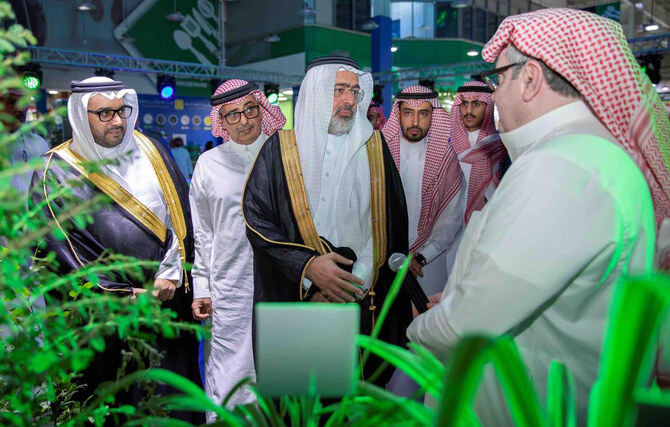
Saudi Arabia’s abundance of palm waste is a valuable source for producing biochar. (SPA)
Short Url
Updated 21 September 2024
Follow

Saudi Arabia’s palm waste biochar initiative cuts farming water use by 30%

  • Biochar, a carbon-rich porous material, improves soil structure, enhances water retention, and increases nutrient availability

RIYADH: The National Center for Palms and Dates and the Ministry of Environment, Water and Agriculture have launched what is reportedly the region’s first biochar initiative, created by recycling palm waste, in Saudi Arabia, the Saudi Press Agency reported on Saturday.

Biochar, a carbon-rich porous material, improves soil structure, enhances water retention, and increases nutrient availability. It can also help lower greenhouse gas emissions and mitigate the effects of climate change, according to the SPA.

By utilizing biochar, farmers can expect a 30-percent reduction in water consumption, faster plant growth, and higher yields.

This environmentally sustainable product helps the ministry fulfill its commitment to promoting a circular economy and supporting the agricultural sector through sustainable practices, the SPA reported.

With over 36 million palm trees distributed across the Kingdom, the country’s abundance of palm waste is a valuable source for producing biochar, which not only contributes to protecting the environment but also presents new economic opportunities for investors and entrepreneurs.


Saudi Arabia advances in Universal Health Coverage index

Updated 12 December 2025
Follow

Saudi Arabia advances in Universal Health Coverage index

  • Life expectancy in Kingdom rose from 74 in 2016 to 79.7 in 2025

RIYADH: Saudi Arabia has made notable progress in the Universal Health Coverage Service Coverage Index, reinforcing its position among leading nations in global health indicators, according to the latest data released by the World Health Organization and the World Bank.

The Kingdom recorded a score of 83 points in the latest UHC update, marking a nine-point increase within two years and placing Saudi Arabia among countries classified as having high-level health service coverage.

The steady rise reflects sustained improvements over the past two decades and underscores the impact of the Kingdom’s Health Sector Transformation Program under Saudi Vision 2030.

The UHC Service Coverage Index is one of the internationally recognized Sustainable Development Goal indicators and measures access to essential health services across key areas, including preventive care, treatment, and system capacity.

Progress in the index is closely linked to broader development outcomes such as improved quality of life, reduced disease burden, and enhanced social well-being.

Saudi Arabia’s advancement has been driven by a strategic focus on preventive healthcare, strengthened primary care services, expanded early screening programs, and increased health system readiness.

The transformation has also been supported by rapid digitalization, including platforms such as Sehhaty and the Seha Virtual Hospital, which have expanded access to care and improved service efficiency nationwide.

These reforms have translated into measurable public health gains. Life expectancy in Saudi Arabia rose from 74 years in 2016 to about 79.7 in 2025, bringing the Kingdom close to its Vision 2030 target of 80 years and highlighting the effectiveness of preventive and treatment programs.

Health Minister Fahad Abdulrahman AlJalajel said the progress reflected the tangible outcomes of Vision 2030 and sustained leadership support.

He said: “The improvements we see today in international health indicators demonstrate the real impact of the Kingdom’s health transformation, which prioritizes prevention, primary care empowerment, and digital health solutions. Raising life expectancy to 79.7 years is the result of an integrated effort focused on improving people’s health and quality of life.”

Saudi Arabia’s progress in the UHC index further strengthens its standing among G20 countries and underscores the Kingdom’s commitment to building a more efficient, resilient, and sustainable health system, with people at the center of national development.