- Relations between India, Pakistan stand frozen since August 2019 after New Delhi revoked semi-autonomous status of the part of Kashmir it controls
- In 2023, then Pakistan FM Bilawal Bhutto-Zardari visited India to attend an SCO meeting in a first high-profile visit by any Pakistani official in years
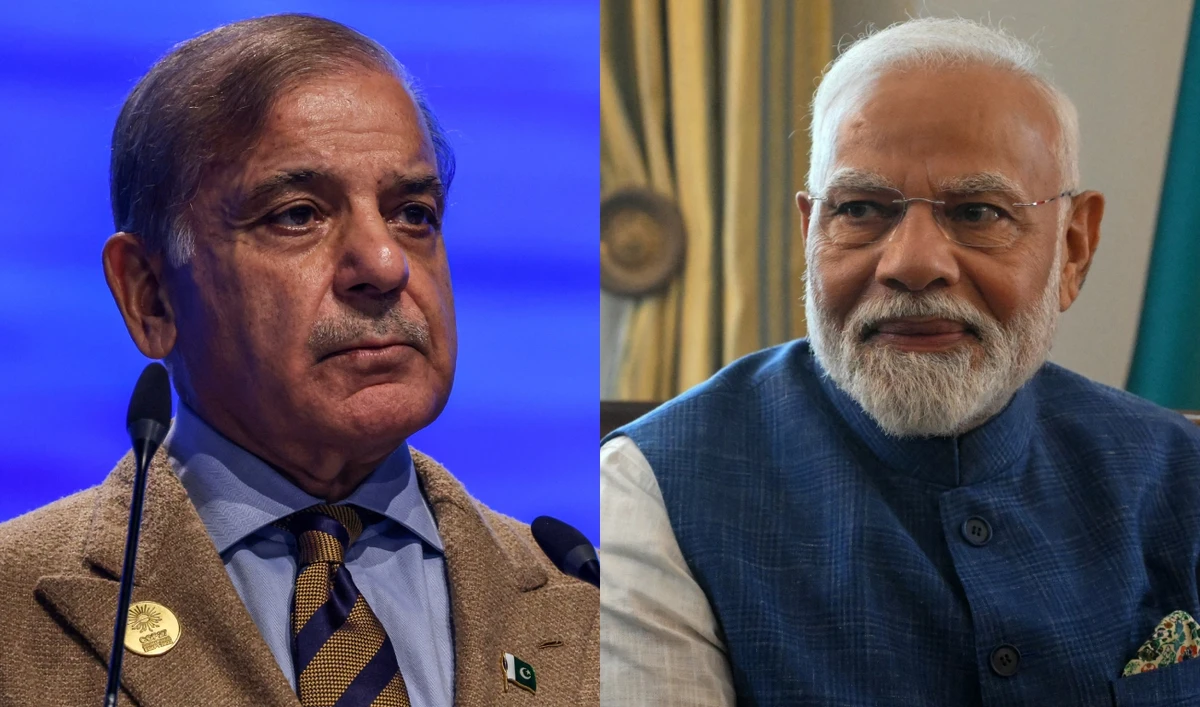
ISLAMABAD: Pakistan has invited Indian Prime Minister Narendra Modi to an upcoming meeting of the Shanghai Cooperation Organization (SCO) member states in Islamabad, Pakistani state media reported on Thursday, citing a foreign office spokesperson.
Pakistan will host the SCO’s Heads of Governments meeting in October. Islamabad currently holds the rotating chairmanship of the SCO Council of Heads of Government, which is the second-highest decision-making forum of the political and security bloc that also includes Russia and China.
Relations between nuclear-armed India and Pakistan have been fraught for years, mainly because of the disputed Himalayan territory of Kashmir, which have made visits by senior officials of the two South Asian neighbors to each other’s territory a rarity.
Mumtaz Zahra Baloch, a spokesperson for the Pakistani foreign office, confirmed that they had received some confirmations for the SCO meeting in Islamabad that is scheduled to be held on Oct. 15-16, the state-run Radio Pakistan broadcaster reported.
“Invitations have been extended to all heads of government of SCO member countries, including the Prime Minister of India, for the forthcoming meeting of the Council of Heads of Government of Shanghai Cooperation Organization,” the broadcaster said, citing Baloch.
Founded in 2001, the SCO is a major trans-regional organization spanning South and Central Asia, with China, Russia, Pakistan, India, Uzbekistan, Tajikistan, Kyrgyzstan and Kazakhstan as its permanent members. The SCO member states collectively represent nearly half of the world’s population and a quarter of global economic output.
The organization’s agenda of promoting peace and stability, and seeking enhanced linkages in infrastructure, economic, trade and cultural spheres, is aligned with Pakistan’s own vision of enhancing economic connectivity as well as peace and stability in the region.
Relations between India and Pakistan stand frozen since August 2019 after New Delhi revoked the semi-autonomous status of the part of Kashmir it controls, dividing it into two federally administered territories. The two neighbors have fought three wars, two of them over Kashmir, which they both claim in full but rule in part.
In 2023, then foreign minister Bilawal Bhutto-Zardari had visited India to attend an SCO meeting in a first high-profile visit by any Pakistani official since then prime minister Nawaz Sharif attended Modi’s swearing-in in 2014 and de facto Pakistani foreign minister Sartaj Aziz went to Amritsar in December 2016 to attend the Heart of Asia conference.
India has for years accused Pakistan of helping separatists who have battled Indian security forces in its part of Kashmir since the late 1980s. Pakistan denies the accusation and says it only provides diplomatic and moral support for Kashmiris seeking self-determination.
Baloch said Jammu and Kashmir is an internationally recognized disputed territory and the United Nations Security Council resolutions clearly state that the final disposition of the dispute would be made in accordance with the will of the people through a UN-supervised plebiscite, according to Radio Pakistan.
“Any other process cannot serve as a substitute to the grant of the right of self-determination to the Kashmiri people,” she was quoted as saying.