ISLAMABAD: Authorities have issued a flood alert for parts of Pakistan’s Punjab, Sindh and Balochistan provinces, Pakistani state media reported on Saturday, amid heavy monsoon showers in the South Asian country.
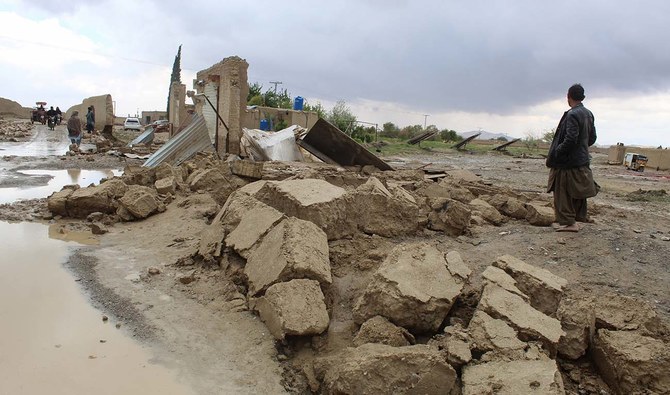
Torrential rains in Pakistan have killed at least 30 people this week as the second-largest city of Lahore was drenched in the most rainfall it has received in more than four decades, according to authorities.
The arrival of the monsoon season has sparked floods and landslides across South Asia in the past week, with at least 200 killed and almost 200 missing in one disaster in neighboring India.
Pakistan’s National Disaster Management Authority (NDMA) has issued a flood alert for Punjab’s Dera Ghazi Khan division, Zhob, Sibbi, Naseerabad and Kalat in Balochistan, and Larkana and Hyderabad divisions in Sindh.
“Medium to High Level Flash Flooding is expected up to Monday,” the state-run Radio Pakistan broadcaster reported. “NDMA has issued instructions to all relevant departments to take necessary precautions to mitigate the possible effects of flooding and extreme weather.”
Rains pummelled Pakistan’s north, causing floods, building collapses and heightening the risk of electrocution this week.
“The 44-year-old rainfall record was broken in Lahore once again,” said utility officials in the eastern province of Punjab, where authorities tallied six deaths.
In Khyber Pakhtunkhwa, 12 children were among the two dozen people who died in the last three days of rains and floods in the northwestern province, according to the provincial disaster management authority.
Pakistan is recognized as one of the most vulnerable countries to climate change effects in the world. This year, the South Asian country recorded its “wettest April since 1961,” with 59.3 millimeters rainfall and at least 144 deaths in thunderstorms and house collapses, mostly in Khyber Pakhtunkhwa, according to the authorities.
In June, a UN official warned that an estimated 200,000 people in Pakistan could be affected by the upcoming monsoon season, which is expected to bring heavier rains than usual.
The United Nations, with help from local authorities, has prepared a contingency plan, with $40 million set aside to respond to any emergencies, said Mohamed Yahya, the newly appointed Resident Coordinator and Humanitarian Coordinator in Pakistan.
Unusually heavy rains in June 2022 triggered flash floods in many parts of the country, killing over 1,700 people, inflicting losses of around $30 billion, and affecting at least 30 million people.


![]()

Authorities warn of flash floods in Pakistan’s Punjab, Sindh and Balochistan amid heavy rains
Short Url
https://arab.news/26zsz
Authorities warn of flash floods in Pakistan’s Punjab, Sindh and Balochistan amid heavy rains
- Torrential rains killed at least 30 people in Pakistan this week, inundating the second-largest city of Lahore
- In June, a UN official warned an estimated 200,000 people in Pakistan could be affected this monsoon season
Latest updates


Recommended


© 2026 SAUDI RESEARCH & PUBLISHING COMPANY, All Rights Reserved And subject to Terms of Use Agreement.