



LONDON: Protesters attacked police and started fires in Sunderland on Friday as violence following Monday’s killing of three children in northwest England spread to another northern city.
Anti-immigrant demonstrators threw stones at police in riot gear near a mosque in the city before overturning vehicles, setting a car alight and starting a fire next to a police office, the BBC said.
Northumbria Police said its officers had been “subjected to serious violence” and they were continuing to deal with ongoing disorder.
“The scenes that we are seeing are completely unacceptable and will not be tolerated,” the force in a statement on X.
The demonstration in Sunderland was one of more than a dozen planned by anti-immigration protesters across the UK this weekend, including in the vicinity of at least two mosques in Liverpool, the closest city to where the children were killed.
Several anti-racism counter-protests were also planned.
British police were out in force on Friday across the country and mosques were tightening security, officials said.
A 17-year-old boy has been charged with the murder of the girls in a knife attack at a Taylor Swift-themed dance workshop in the seaside town of Southport, a crime that has shocked the nation.
Violent incidents erupted in the following days in Southport, the northeastern town of Hartlepool, and London in reaction to false information on social media claiming the suspect in the stabbings was a radical Islamist migrant.
In an attempt to quash the misinformation, police have emphasized that the suspect, Axel Rudakubana, was born in Britain.
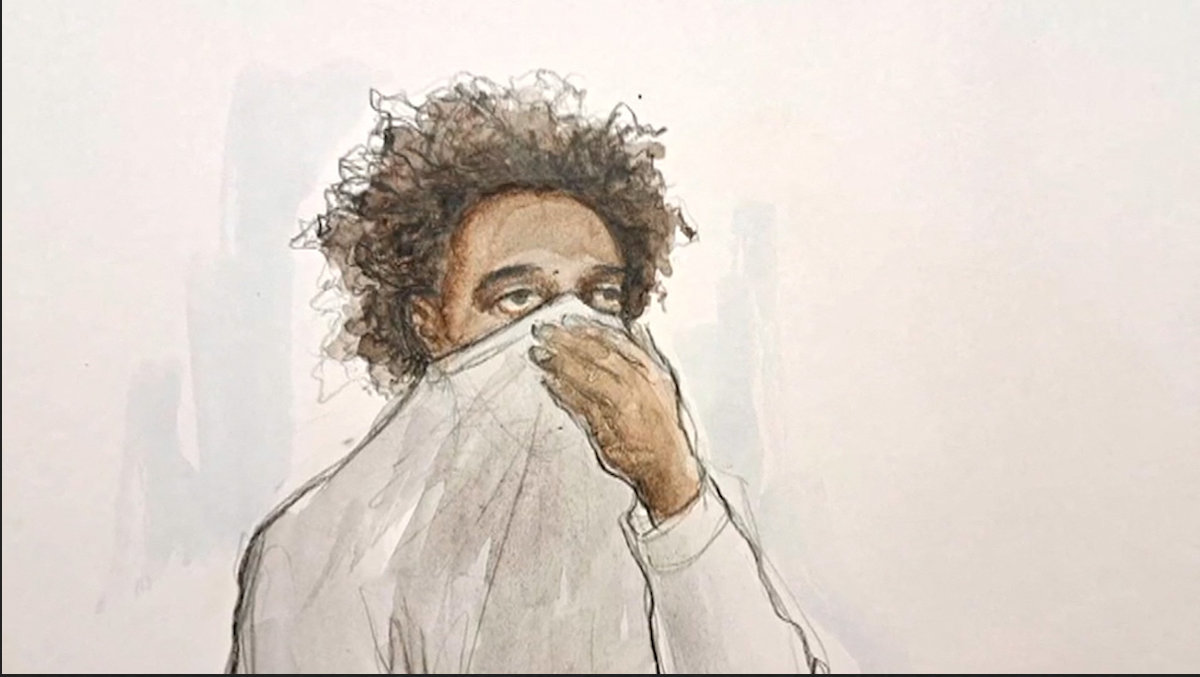
Axel Rudakubana, the 17-year-old charged with the murder of three young girls in a knife attack at a summer dance class, is depicted in this courtroom sketch made at Liverpool City Magistrates Court in Liverpool, Britain, on August 1, 2024. (BBC/Handout via REUTERS)
Swift justice
Earlier on Friday, Prime Minister Keir Starmer made a second visit to Southport since the murders.
“As a nation, we stand with those who tragically have lost loved ones in the heinous attack in Southport, which ripped through the very fabric of this community and left us all in shock,” he said in a statement.
British police chiefs have agreed to deploy officers in large numbers over the weekend to deter violence.
“We will have surge capacity in our intelligence, in our briefing, and in the resources that are out in local communities,” Gavin Stephens, chair of the National Police Chiefs’ Council, told BBC Radio.
“There will be additional prosecutors available to make swift decisions, so we see swift justice.”
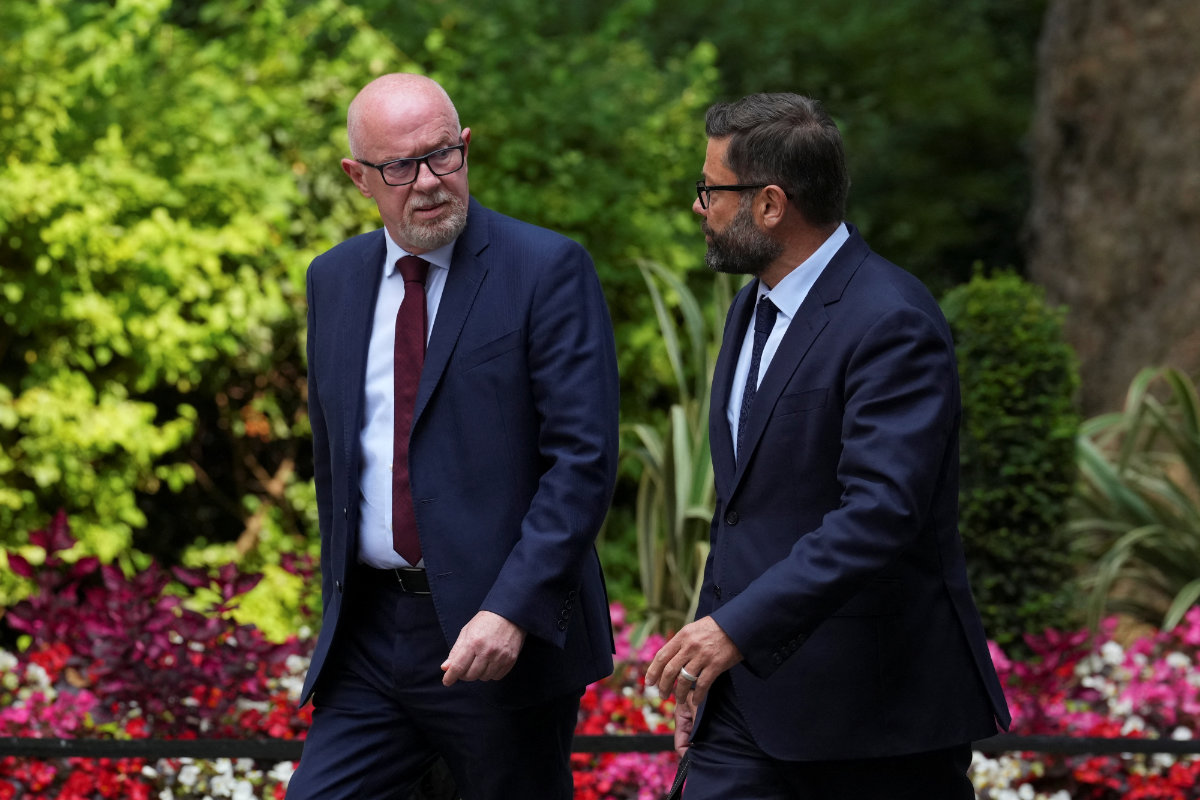
People arrive to meet Britain's Prime Minister Keir Starmer to discuss clashes following the Southport stabbing at Downing Street in London on August 1, 2024. (REUTERS)
Mosques across the country are also on a heightened state of alert, the Muslim Council of Britain said.
Zara Mohammed, the council’s security general, said representatives from hundreds of mosques agreed to strengthen security measures at a briefing on Thursday. Many at the meeting also reported concerns for the safety of their worshippers after receiving threatening and abusive phone calls.
“I think there’s a sense within the community that we’re also not going to be afraid, but we will be careful and cautious,” Mohammed said in an interview.
Police in Southport, where protesters attacked police, set vehicles alight and hurled bricks at a mosque on Tuesday evening, said they were aware of planned protests and had “extensive plans and considerable police resources” on hand to deal with any disorder.
Police in Northern Ireland also said they were planning a “proportionate policing response” after learning of plans by various groups to block roads, stage protests and march to an Islamic Center in Belfast over the weekend.


