- Debt reprofiling involves altering the terms of loan agreements to make it more manageable for a country
- IMF has consistently focused on Pakistan’s debt obligations, energy sector issues during talks with government
ISLAMABAD: Prime Minister Shehbaz Sharif said on Friday he wrote a letter to the Chinese government requesting debt reprofiling as his administration seeks a $7 billion loan from the International Monetary Fund (IMF), which has consistently focused on the country’s debt obligations and energy sector issues.
Last month, Pakistan reached a staff-level agreement with the IMF for a fresh loan, which it expects to be validated by the Fund’s executive board later this month. The IMF has repeatedly expressed concerns about Pakistan’s plans to manage its escalating circular debt in the energy sector while also addressing its external financial obligations.
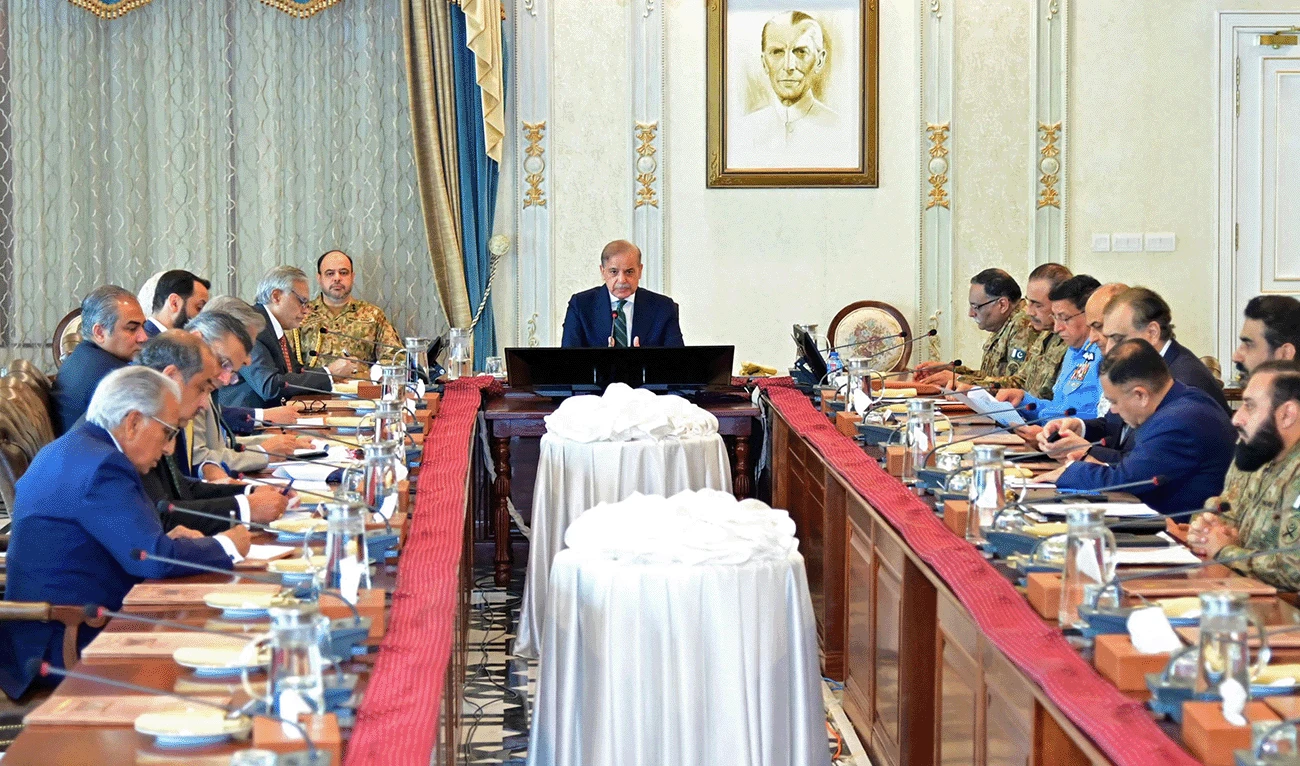
“I have written to China for [debt] reprofiling,” the prime minister informed his cabinet ministers.
Debt reprofiling is a financial strategy used to restructure a country’s existing debt obligations. It involves extending the maturity dates of debt, reducing interest rates or altering other terms of the debt agreements to make repayment more manageable.
The IMF previously raised concerns about Pakistan’s external financing gaps, prompting the country to seek assistance from friendly nations like Saudi Arabia, the United Arab Emirates and China, which shored up its foreign exchange reserves by depositing significant amounts into the central bank.
These nations also rolled over existing funds when Pakistan requested it, thereby providing additional relief to its financial situation.
The prime minister pointed out his government had also sent Finance Minister Muhammad Aurangzeb to China for talks on power sector debt relief.
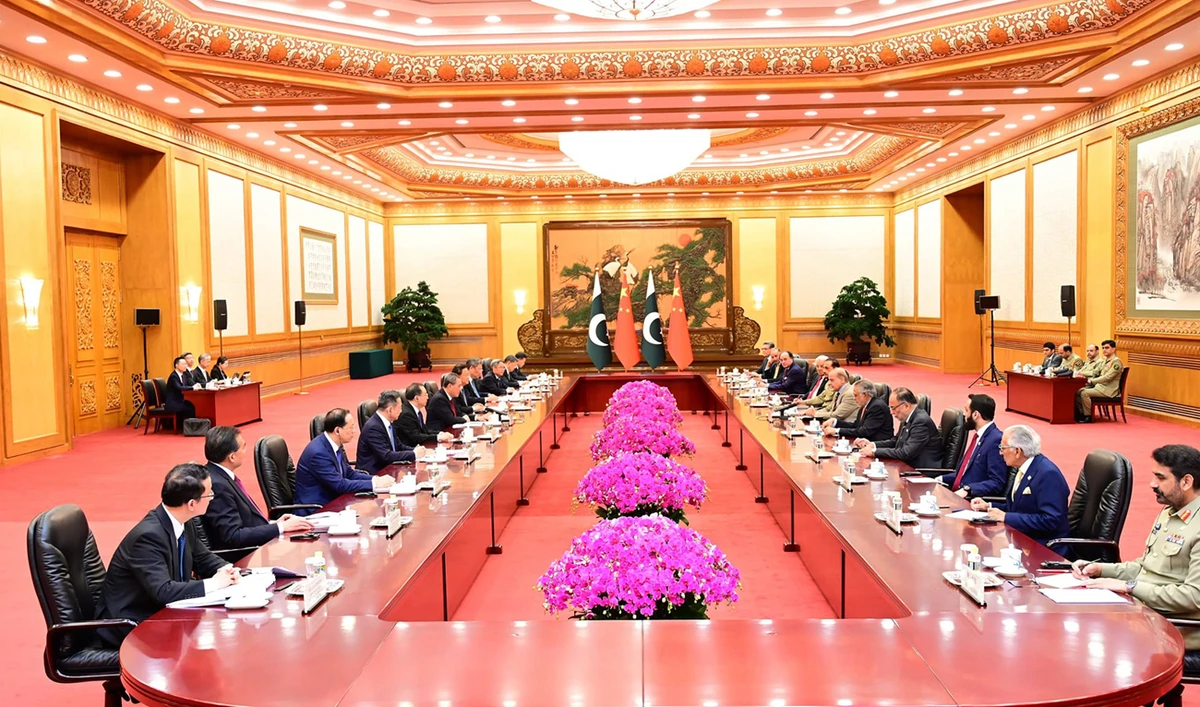
He said he had a detailed conversation with President Xi Jinping during his own visit to China, where Xi asked about Pakistan’s plans to convert to coal-based projects under the multibillion-dollar joint economic corridor project.
Sharif told him it would help Pakistan save “$500 million in investment, and annually, we will save $1 billion, which will be a very significant thing.”
He maintained that his administration was aware of people’s hardship amid rising power tariffs causing inflationary pressure. But he noted that it was taking steps to provide relief to power consumers, though it would take some time before these efforts produce the desired outcomes.
“Rome was not built in a day, and you cannot expect instant results,” he added.