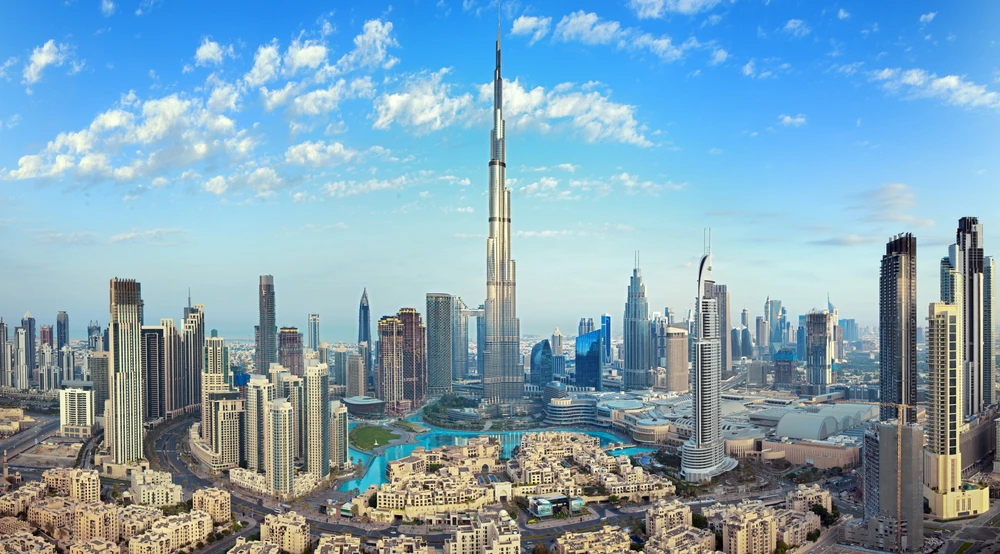
RIYADH: Dubai’s residential property sales saw a 33.5 percent annual increase in the first half of 2024 with 77,233 transactions, according to a top brokerage company.
The Gulf metropolis also recorded a total sales value of 227 billion dinars ($61.8 billion), – up 31 percent compared to the first half of 2023, according to a press release from Engel & Volkers Middle East.
The firm said the market has continued its impressive growth trajectory, breaking records and setting new benchmarks.
The brokerage house explained that key infrastructure projects, including the $8 billion drainage system, the $35 billion Al-Maktoum International Airport expansion, and the $5 billion Dubai Metro Blue Line, underscore Dubai’s commitment to growth and development.
With Dubai’s population growing by over 100,000 annually and the economy projected to expand by four percent in 2024, the real estate market outlook remains positive.
Reflecting on these achievements, Daniel Hadi, CEO of Engel & Volkers Middle East, said that the first half of 2024 has been impressive for Dubai’s residential real estate market.
“The unprecedented growth in sales transactions and value is a testament to Dubai’s resilience, strategic infrastructure investments, and its appeal to global investors. As we look ahead, we are optimistic about the sustained growth and transformation of this dynamic market,” Hadi added.
The growth underscores the robust demand and investor confidence in Dubai’s real estate market, as per the firm, which added that the off-plan market drove over 60 percent of all transactions, reflecting strong investor interest in new developments due to their availability, competitive pricing, flexible payment plans, and high return potential.
Popular communities such as Jumeirah Village Circle, Dubai South, and Damac Hills 2 stood out for their affordability, modern amenities, and strategic locations.
During this period, apartments were the primary driver of growth, contributing 91 percent of the increase in transactions. Their affordability, availability, and higher returns fueled significant demand, with apartment sales comprising over 80 percent of all transactions and rising by 41 percent year-on-year.
The total transaction value increased by 33 percent, with Jumeirah Village Circle remaining the most popular community for both off-plan and secondary transactions, driven by its affordable prices, steady supply of new projects, and attractive returns for investors.
The Business Bay also continued to be in high demand, highlighting its importance in the market, the company, which is also specialized in the brokerage of commercial real estate, yachts and aircrafts, said the Engel & Volkers Middle East release.
It further stated that while the villa segment remains relatively small, it experienced significant growth in the first half of 2024, with transactions up 52 percent year-on-year and total sales value rising by 66 percent. This surge reflects demand from families seeking spacious homes and buyers looking for prime properties.
The market’s resilience was evident after the April floods, with May surpassing the previous monthly transaction record by 20 percent.
Dubai’s luxury real estate segment continues to thrive, with a 47 percent year-on-year increase in transactions.
The UAE is expected to be the largest recipient of millionaires globally in 2024, driving demand for opulent villas and branded residences.