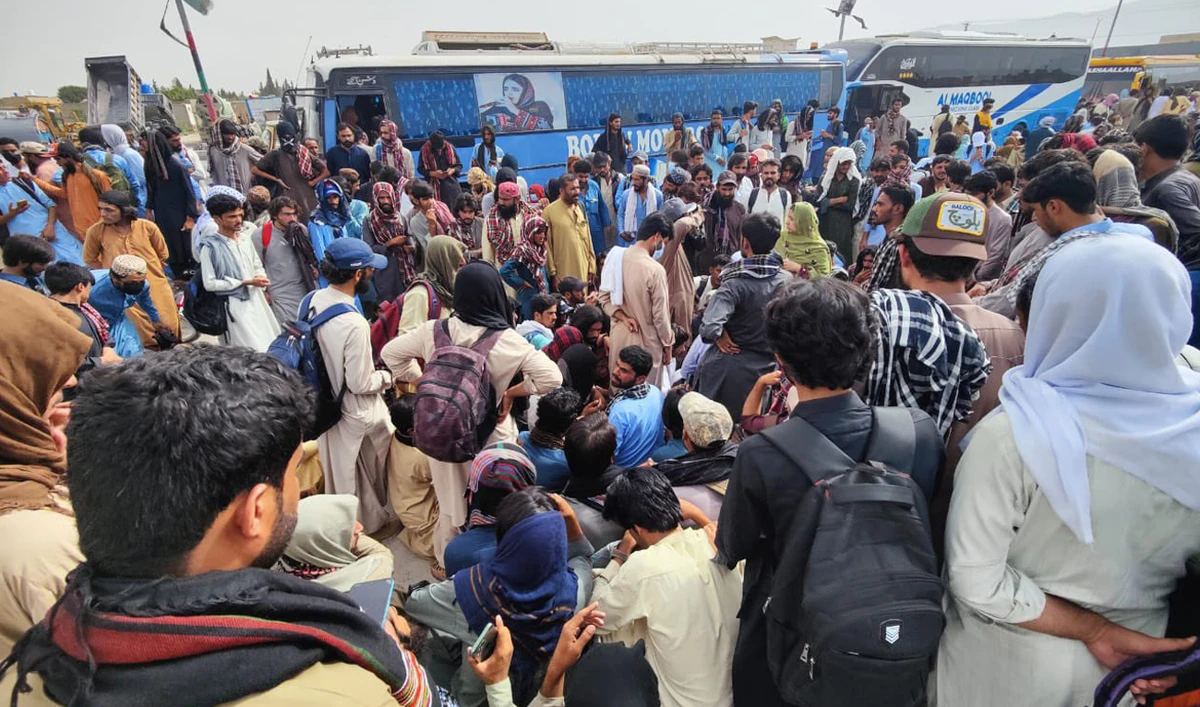
- Baloch Yakjehti Committee has organized a gathering in Gwadar on Sunday to protest alleged rights abuses in Balochistan
- The Pakistani state denies any wrongdoing in the southwestern province, which has been the site of a low-level insurgency
QUETTA: Baloch Yakjehti Committee (BYC), which advocates for rights of ethnic Baloch people, on Saturday accused Pakistani authorities of suspending Internet and arresting dozens of its members in Pakistan’s southwestern Balochistan province, a day before a protest in the port city of Gwadar.
Led by 31-year-old human rights activist Dr. Mahrang Baloch, the BYC summoned the ‘Baloch Raji Muchi,’ or Baloch National Gathering, in Gwadar this month to rally the masses against alleged human rights abuses and heavy deployment of security forces in the southwestern Pakistani province.
Pakistan’s Balochistan province, which borders Iran and Afghanistan, is the site of a low-level insurgency for the last two decades by separatists, who say they are fighting what they see as unfair exploitation of the province’s wealth by the federation. The Pakistani state denies the allegation.
Through social media platforms, the BYC has been mobilizing and inviting people from across Balochistan for the gathering, which is scheduled to take place on Sunday at the Gwadar Marine Drive, an important thoroughfare in the coastal city.
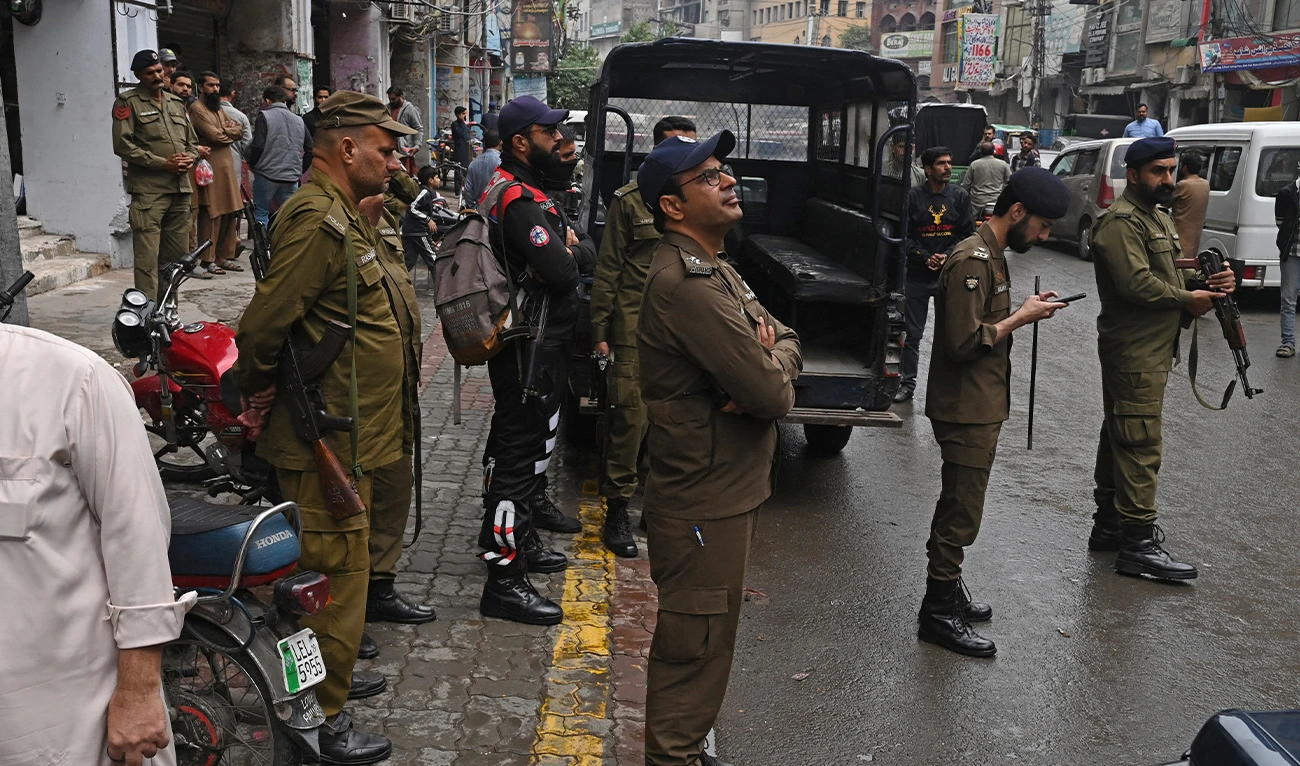
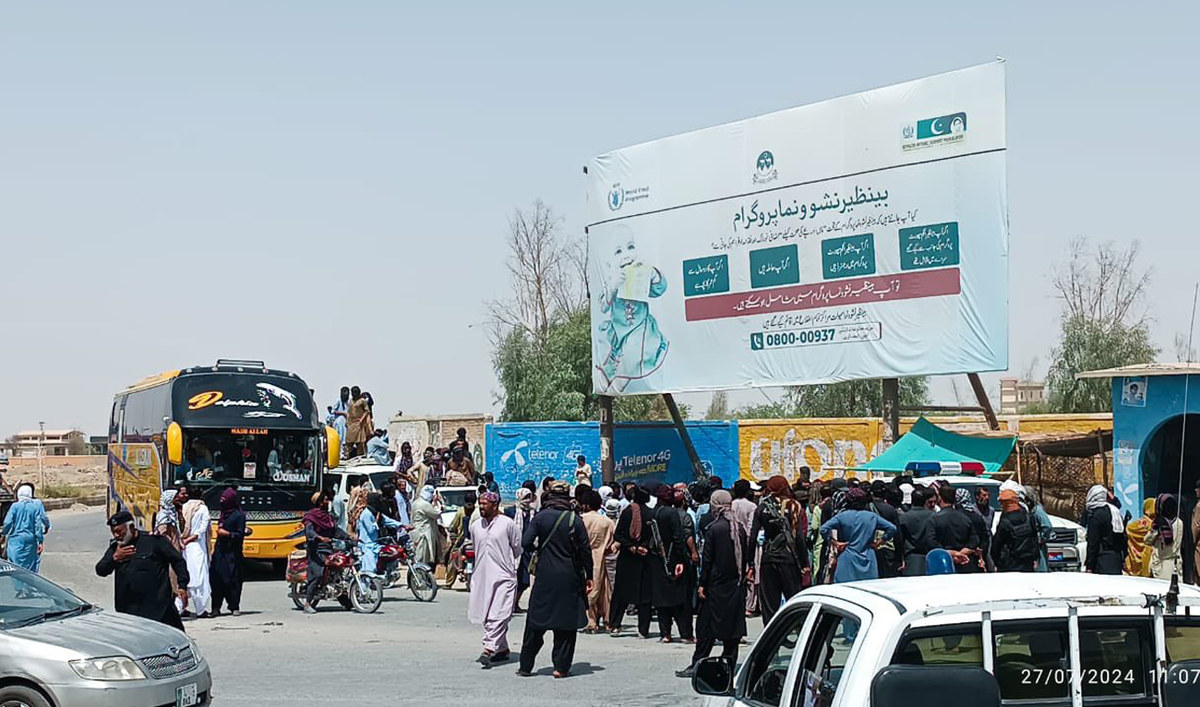
“The authorities have started blocking highways in Balochistan in a bid to intercept convoys of Baloch people coming to attend Baloch Raji Muchi in Gwadar and police have arrested more than 100 BYC members from various districts of Balochistan,” Baloch told Arab News.
“There has been a complete blackout of Internet in Gwadar and Kech districts since Friday evening and mobile service is likely to be suspended today. We are concerned that the government will intensify crackdown against BYC members as they have already registered four FIRs (first information reports) against our members in the Kalat and Hub districts.”
Shahid Rind, a spokesman for the Balochistan government, denied allegations of a crackdown on the BYC and Internet suspension in Gwadar.
“The Balochistan chief minister has clearly said on the floor of the provincial assembly, the constitution of Pakistan gives people the right to a peaceful gathering, but the government has the right to decide the venue for it,” he told Arab News. “No one will be allowed to hold such gatherings based on their own will.”
Arab News spoke to a number of people in Gwadar and Turbat districts, who said mobile Internet had been suspended in both districts since Friday evening.
Gwadar, situated along the Arabian Sea, lies at the heart of China-Pakistan Economic Corridor (CEPC), under which Beijing has funnelled tens of billions of dollars into massive transport, energy and infrastructure projects in Pakistan.
But the undertaking has been hit by Islamabad struggling to keep up its financial obligations as well as attacks on Chinese targets by militants in Balochistan, Pakistan’s most impoverished province, and elsewhere in the country.
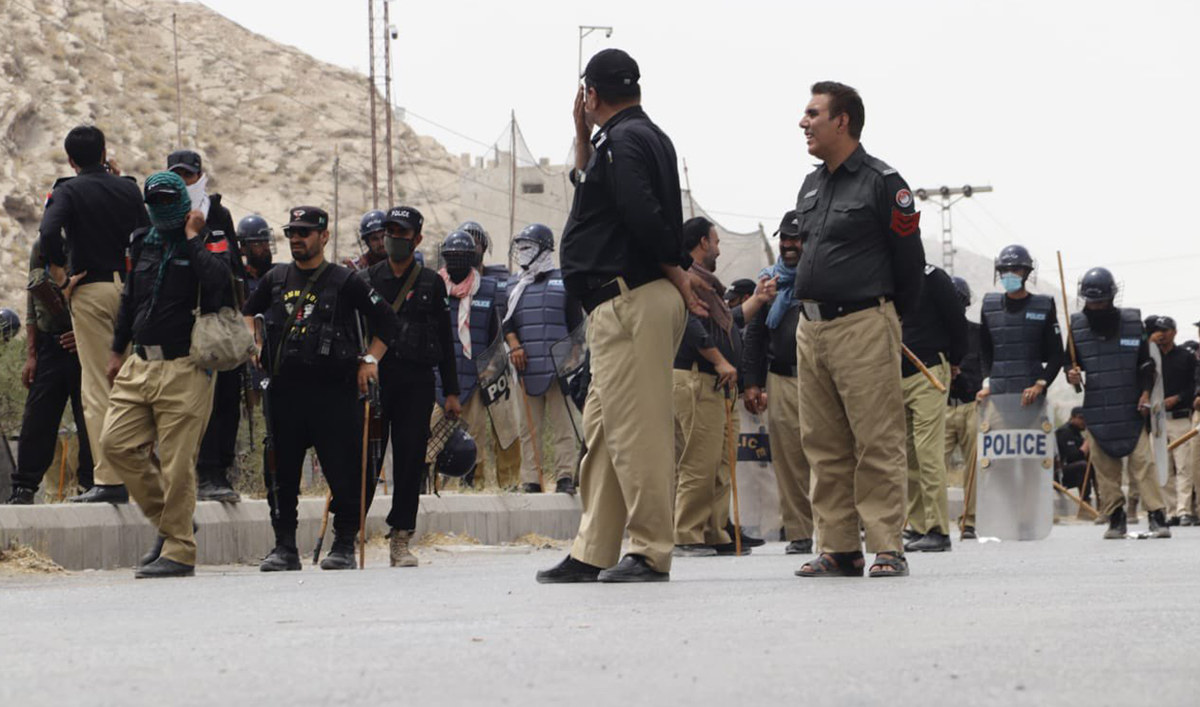
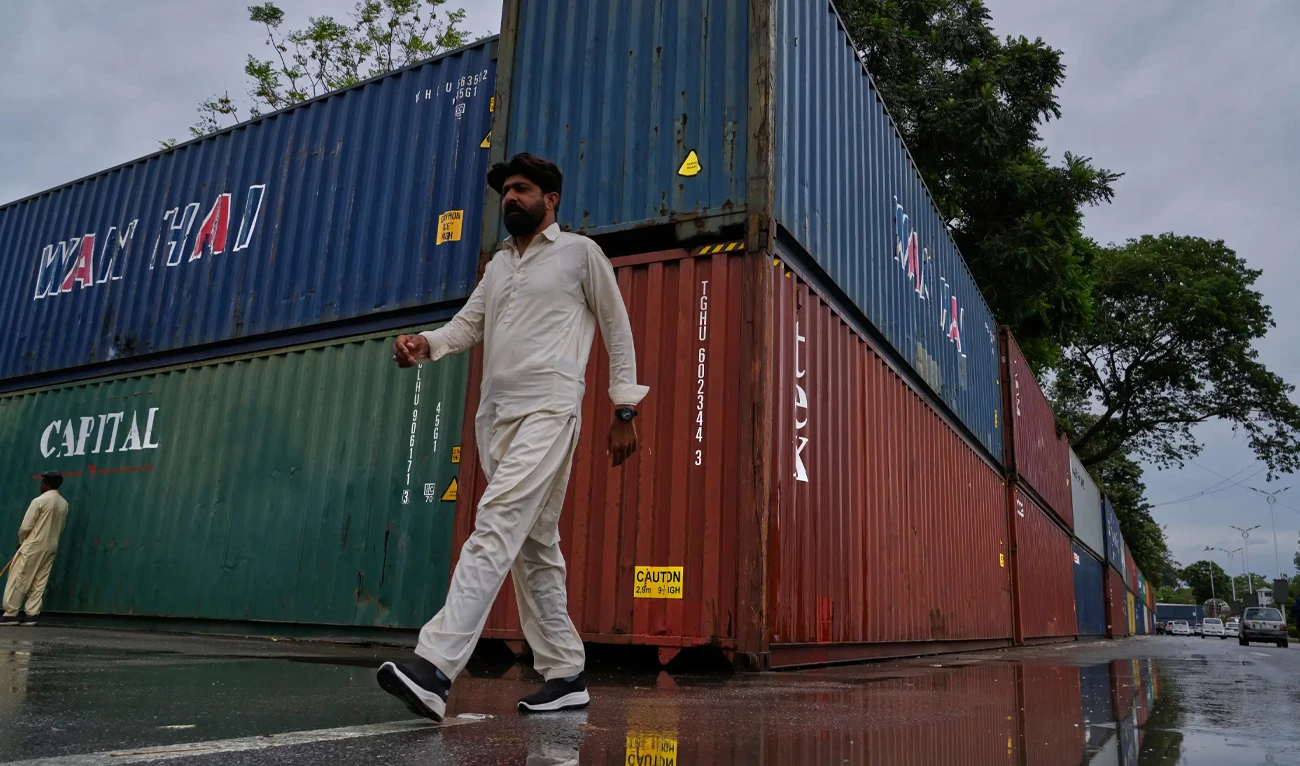
In the provincial capital of Quetta, authorities have blocked all entry and exit points and imposed Section 144 of the Code of Criminal Procedure, a provision that allows the administration to prohibit assembly of four or more people.
Saad bin Asad, the Quetta deputy commissioner, said they had blocked the Luk-Pass tunnel, a key point on the Quetta-Karachi highway, to prevent people from violating Section 144 ahead of Sunday’s gathering. “At least 140 people have been arrested from different sites of Quetta and we would share the details of the detained people,” he told Arab News.
The administration’s move came after the Balochistan government described the Baloch National Gathering in Gwadar as a “conspiracy” against the second phase of CPEC in Pakistan that has witnessed a “hiatus” following the killing of five Chinese engineers in a suicide attack in Pakistan’s northwestern Khyber Pakhtunkhwa province in March.
On Friday, Balochistan Chief Minister Sarfaraz Bugti questioned the protesters’ choice of Gwadar as the venue of the rally amid Pakistan’s security assurances to the Chinese.
“Why Gwadar and why not Quetta,” Bugti questioned, during a provincial assembly session. “They planned to hold this gathering in Gwadar where we have frequent international movements and we have invited Chinese officials for the inauguration of Gwadar International Airport next month.”
Bugti informed the lawmakers that there were intelligence reports about “serious threats” of attacks on the gathering in Gwadar by a Baloch separatist group, the Balochistan Liberation Army (BLA), to malign the government and the state institutions.
“Despite talks with BYC members to shift the venue for this gathering, but if they are adamant, the government will take action against people challenging the writ of the state,” he added.
Sammi Deen Baloch, one of the organizers of Sunday’s gathering, said Gwadar is part of Balochistan and the port city has international significance.
“We have had held many gatherings in Quetta, Turbat and other cities of Balochistan, so why not Gwadar, where local Baloch people are deprived of basic facilities,” she said.
Responding to the government reports of threats to the gathering, Sammi said the state had power and resources, hence the state should protect the people coming to attend a peaceful gathering.
“If the state doesn’t stop Baloch people from coming to Gwadar, we have high expectations that thousands of people would attend this Baloch National Gathering,” she told Arab News.