- Congo fever is viral hemorrhagic disease transmitted to humans through contact with infected animals
- Provincial government has launched fumigation drive, released funds to purchase platelets kits for patients
QUETTA: Pakistan’s southwestern Balochistan province has reported six cases of the Congo virus, or Crimean-Congo Hemorrhagic Fever (CCHF), this year, health officials said on Sunday, warning the number could go up ahead of Eid Al-Adha.
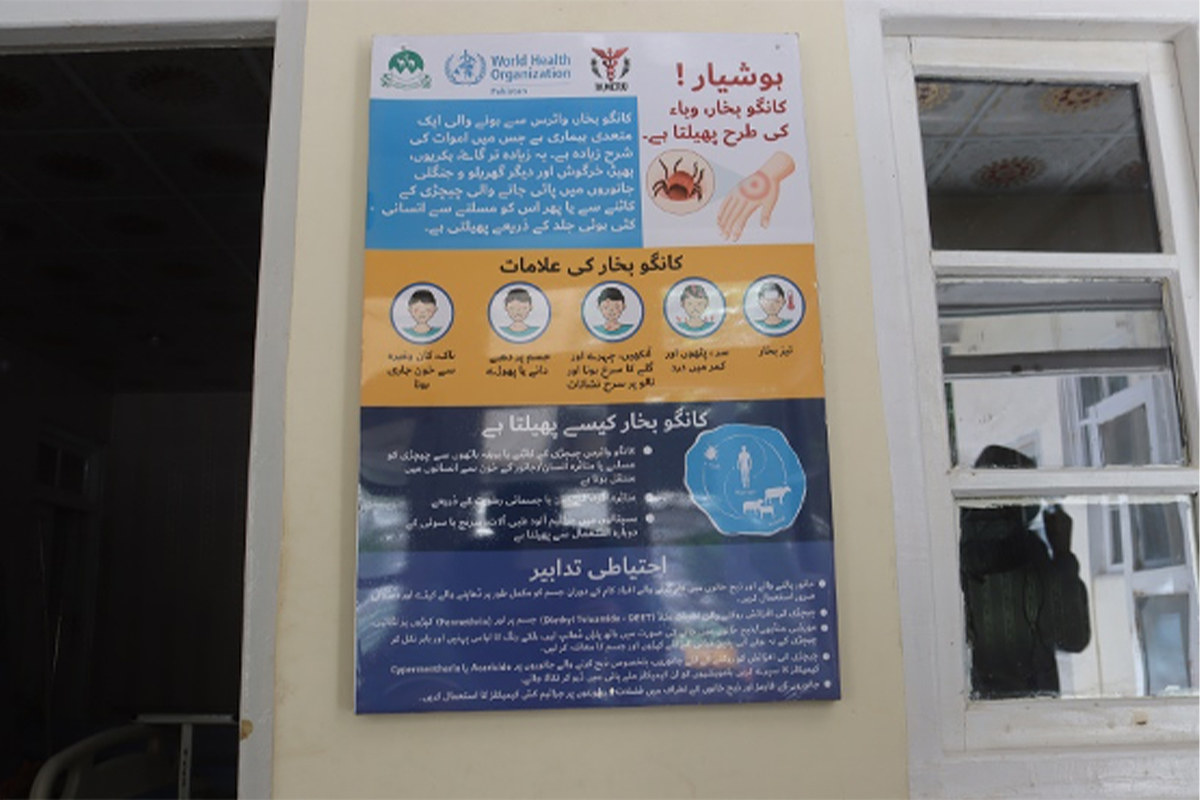
The Congo virus is a highly contagious disease transmitted by ticks and contact with infected animals. Outbreaks require swift action to prevent further spread. It leads to severe symptoms and can be fatal if not treated promptly, particularly in endemic regions such as parts of Africa, the Middle East, and Asia.
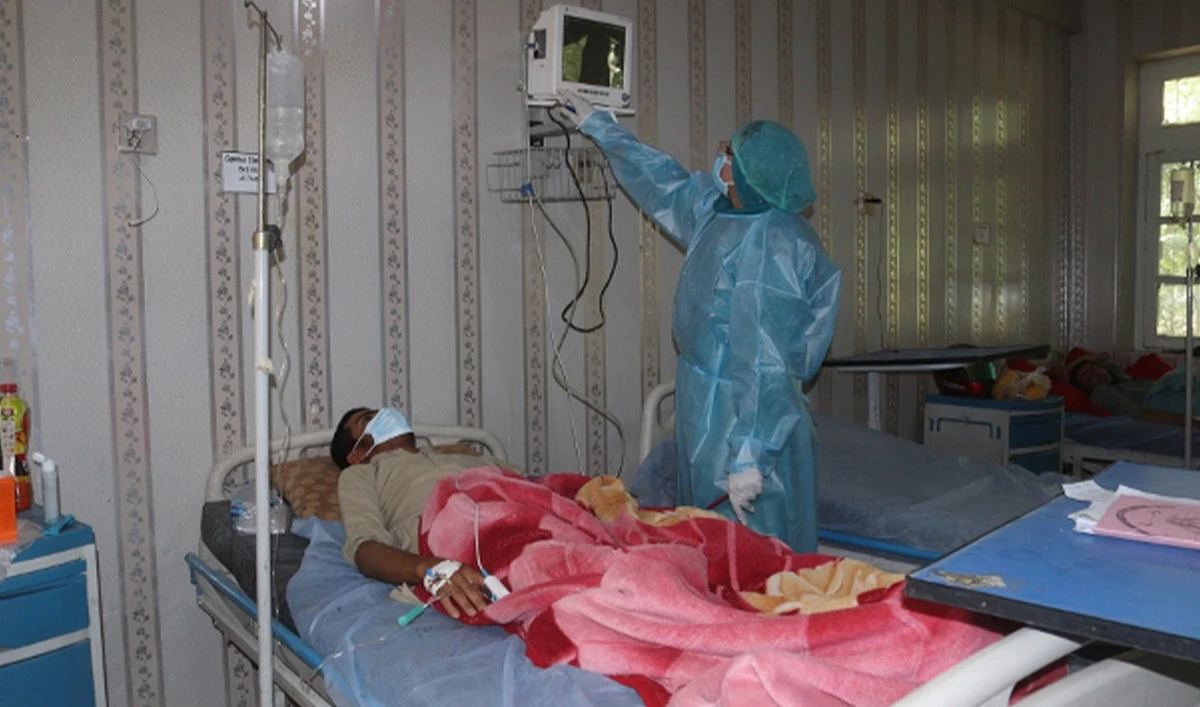
Officials at Fatima Jinnah Chest Hospital in Quetta, the only facility that treats Congo virus patients in Balochistan, said three of the six Congo virus patients were women, who had been discharged after treatment, while three men were still admitted to the hospital’s isolation ward.
“Six people have tested positive for the Congo virus in Balochistan so far this year,” Kausar Shahen, a staff nurse attending these patients, told Arab News, adding that all the six cases were reported in the month of June.
“The number of cases can go up before Eid Al-Adha,” she added.
Qudratullah, a 22-year-old dairy farmer from Killa Abdullah district, tested positive for the virus this week.
“A week ago, I started suffering high fever and body pain,” he said. “I took tablets but it did not work, then I was shifted to Quetta [in Fatima Jinnah Chest Hospital] and here they told me I was Congo virus-positive.”
Qudratullah’s white blood cells had decreased to 63,000 as opposed to 150,000 required for a normal person, but he was in a much better condition after undergoing treatment at the hospital, according to medics.
In 2023, a total of 54 people had tested positive for the Congo virus, according to official figures. Of them, 18 people, including a doctor and a paramedic, lost their lives to the deadly virus.
Congo virus cases are usually reported in Balochistan during the summer months of June, July and August, according to health experts. The chances of its spread increase particularly around Eid Al-Adha, when people buy and slaughter a large number of animals to commemorate the sacrifice of Prophet Ibrahim.
“We lost Dr. Shukrullah Langove while he was being shifted to Karachi last year,” said Dr. Dawood Baloch, a representative of the Young Doctors Association. “If we had a single ICU [in the province], his life could have been saved.”
He suggested fumigation as an effective way to combat the virus spread and imposing strict precautionary measures at slaughter houses.
The Balochistan government says it has been taking measures to prevent the spread of the virus ahead of Eid.
“Our livestock department has started spray campaigns, regional blood bank is providing blood, and the government has released funds to purchase platelet kits for patients,” Shahid Rind, a provincial government spokesperson, told Arab News.