

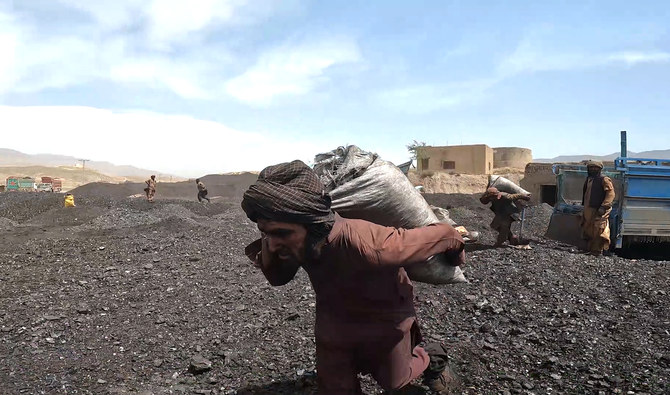

QUETTA: Co-workers and relatives of 11 colliers killed by a build-up of methane gas in a mine in southwestern Pakistan this week blamed the government for inadequate safety measures, as authorities promised a thorough investigation and penalties.
According to the Pakistan Workers Federation (PWF), at least 200 people died in coal mine accidents in Balochistan province this year while the provincial chief inspector for mines put that figure at 46 killed in 21 mining incidents.
Mine workers have for years complained that a lack of safety gear and poor working conditions are the key causes of frequent accidents.
In the latest incident that took place at the Sanjdi coalfield, about 60 km (40 miles) from the city of Quetta, the provincial capital of Balochistan, miners working 1,500 feet underground were killed by the accumulation of methane gas.

The photo taken on June 7, 2024, shows the coal mine where 11 people dies after inhaling methane gas on June 5, 2024, in the southwestern Balochistan province of Pakistan. (AN Photo)
Locals complained they had to launch a rescue effort themselves without any safety kits owing to the delayed arrival of rescue teams who then took hours to retrieve bodies.
“Eleven victims mostly hailing from Shangla (Khyber Pakhtunkhwa) were stuck inside for 2-3 hours and we took them out through our self-efforts as no rescue teams came on time,” said Shah Wali, 29, who lost four first cousins in the accident. “We were in danger as well but we went in as relatives were inside the mine.”
Coal mines in Balochistan are mostly located in a mountainous area with rough terrain and no proper roads connecting it to main cities, making it difficult for rescue teams to reach. Locals said it took authorities approximately two and a half hours to reach the Sanjdi Coalfield from Quetta city after the mine accident was reported.
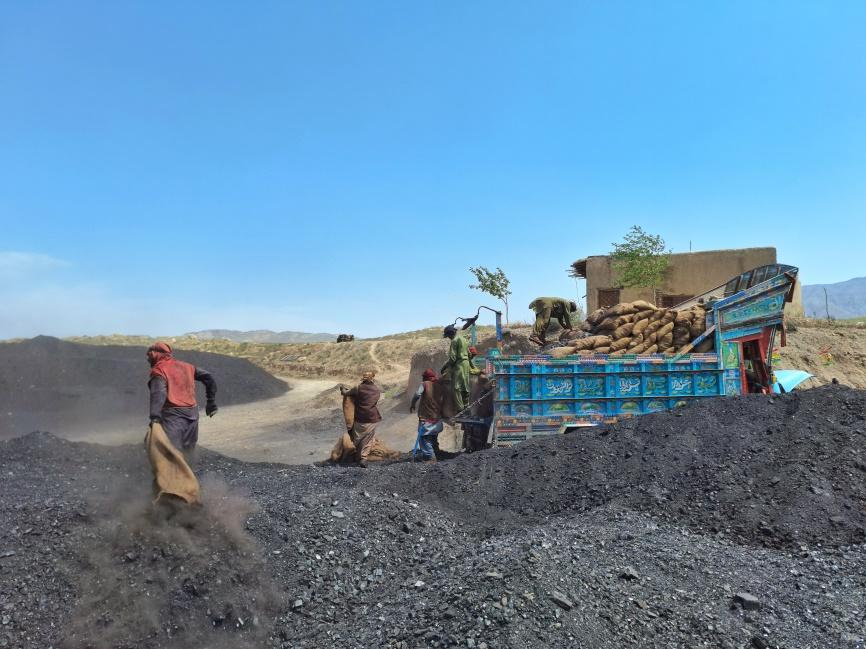
The photo taken on June 7, 2024, shows laborers dumping coal at a coal mine in the southwestern Balochistan province of Pakistan. (AN Photo)
Peer Muhammad Kakar, the general secretary of the Pakistan Workers Federation (PWF), said the Sanjdi mine lacked a proper ventilation system, leading to the 11 deaths, including of the manager and contractor, once gas accumulated.
Kakar called for the implementation of the International Labour Organization’s Convention Article 176 — the Safety and Health in Mines Convention, 1995 — that sets out comprehensive guidelines to ensure the safety and health of workers in mines and emphasizes the need for preventive measures, risk assessments and training programs. The convention also addresses issues such as ventilation, emergency preparedness, and the monitoring of workplace conditions.
“No government rescue operation took place. No one was there, we didn’t see anyone,” Kakar added. “We took their bodies out of the mines in a hurry.”
Kakar also disputed government figures on 46 worker deaths this year, saying the figure was at least triple that, as many poor locals as well as undocumented Afghan refugees worked in Balochistan’s mines and their killings were rarely reported.
“NOBODY CARES”
Coal deposits are found in the western areas of Pakistan that sit near the Afghan border and mine accidents are common, mainly due to gas build-ups.
Sarzameen, 55, a miner hailing from the country’s northwestern Lower Dir district, said he was critically injured in an incident that took place at the same mine earlier this year.
“I was working here in the United Mines Company during Ramadan when my face and hand were burnt in an incident,” the collier said, adding that he was hospitalized for 16 days.
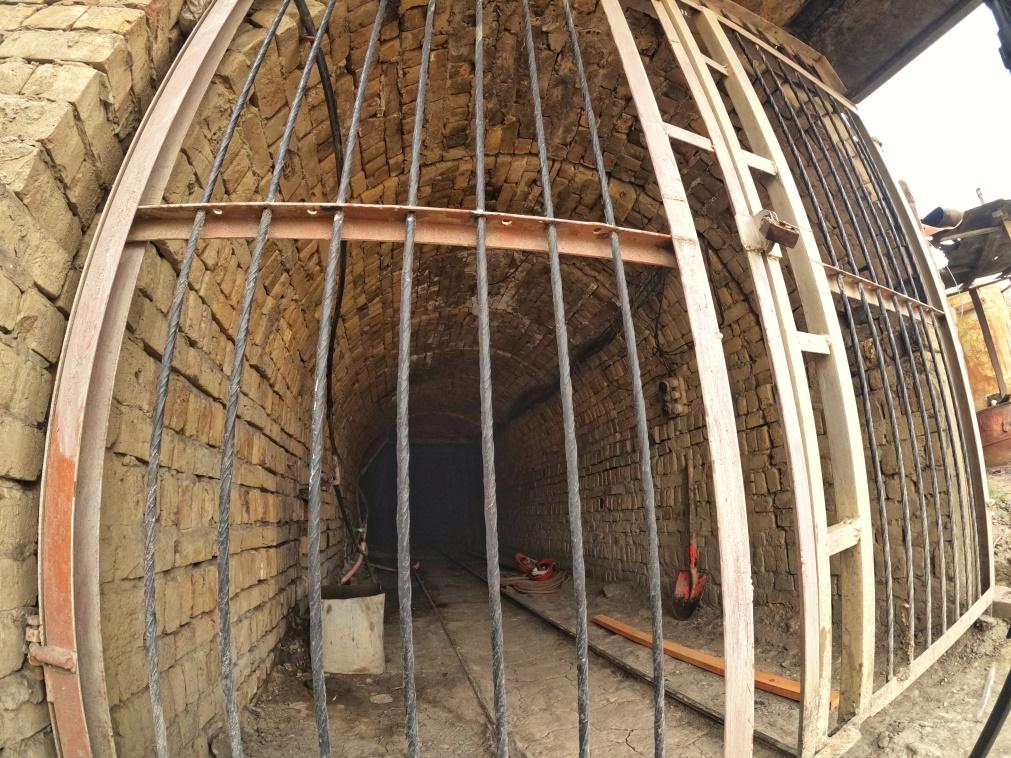
The photo taken on June 7, 2024, shows the entrance of a coal mine where 11 people dies after inhaling methane gas on June 5, 2024, in the southwestern Balochistan province of Pakistan. (AN Photo)
He also complained about “harsh” working conditions, saying that miners were not “treated like humans, nor were they paid on time”:
“Nobody cares when they get stuck inside mines.”
But the Chief Inspector of Mines in Balochistan, Abdul Ghani, said an inquiry had been launched into the latest incident and promised action.
“We have lodged an FIR against the mining company and its owner,” he said, adding that he would move the courts to cancel licenses of mining companies that ignored safety rules and did not provide safety equipment.
“Our mine inspectors visit different coal mines and even this year they sealed around 100 mines,” Ghani said. “Large mine companies have safety equipment but smaller ones don’t and hence they are sealed.”


