- Ambassador Farooq says Saudi Arabia and other Gulf states have responded ‘pragmatically’ to Iranian strikes
- Envoy expresses hope Saudi Crown Prince will visit Pakistan this year to sign economic cooperation framework
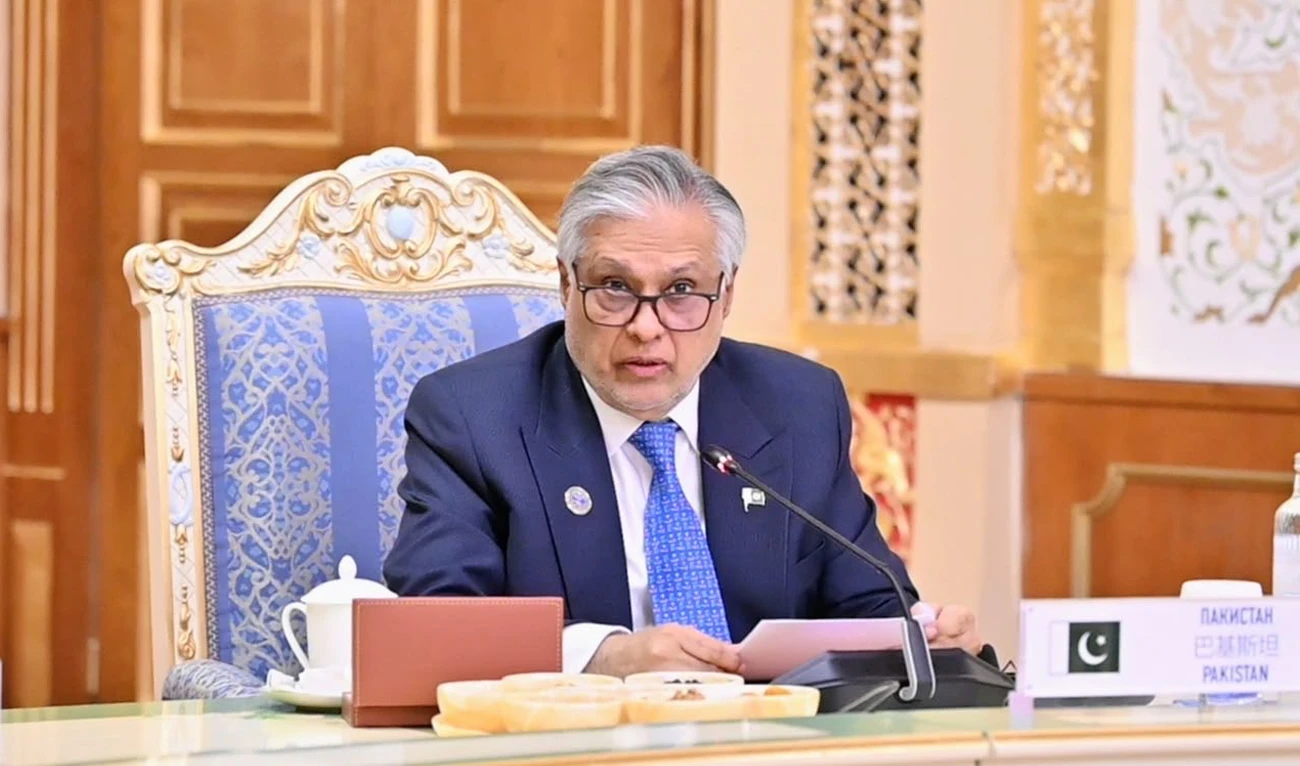
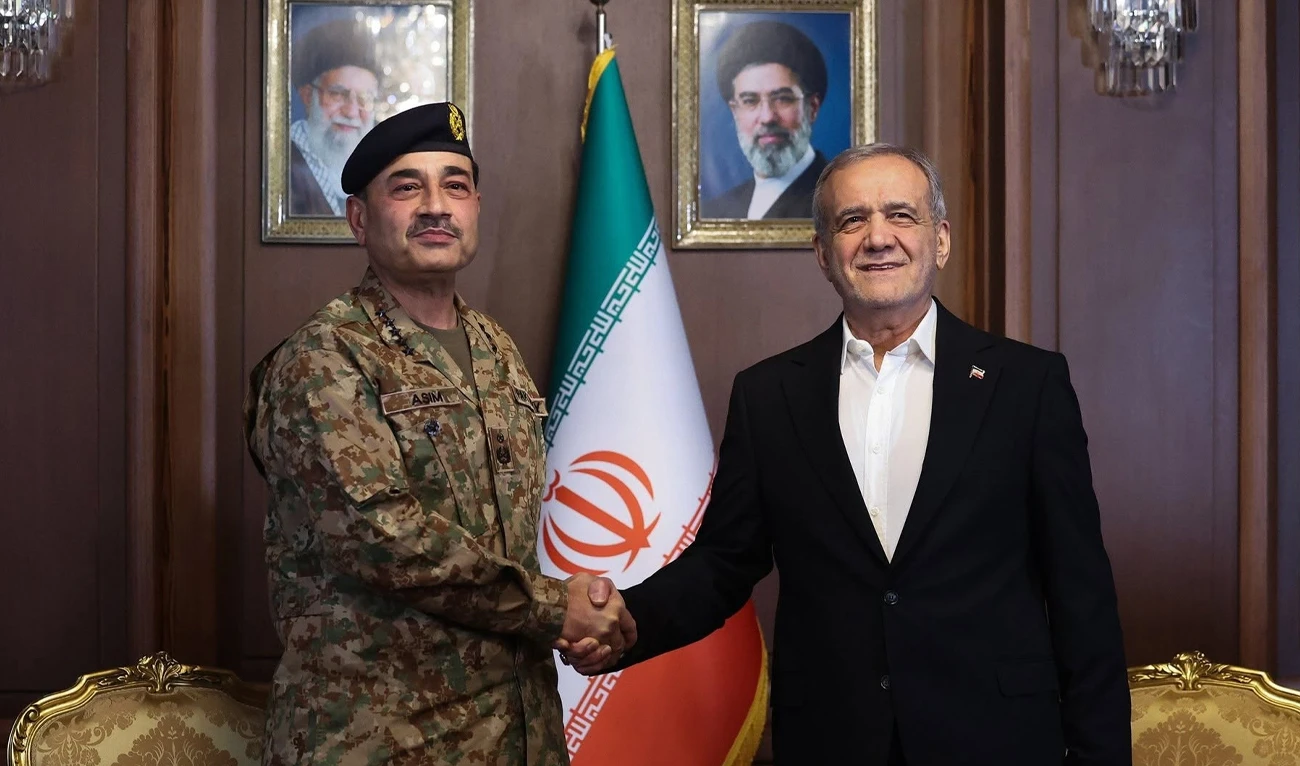
ISLAMABAD: Pakistan is working with regional countries to prevent the Iran conflict from widening into a broader war, its ambassador to Saudi Arabia said this week, praising what he described as a pragmatic response by Gulf states to Iranian attacks.
The conflict erupted after joint US-Israeli strikes on Iranian targets toward the end of last month, prompting retaliatory Iranian attacks across the region and raising fears of a wider Middle East war.
The fighting has disrupted shipping through the Strait of Hormuz, a vital route for global energy supplies, sending jitters through oil markets and threatening trade flows for countries reliant on Gulf imports.
Pakistan has urged restraint from all sides, Ambassador Ahmad Farooq said, adding that the response by Saudi Arabia and other regional states has helped prevent the situation from escalating further.
“As you are aware, Pakistan had when the conflict started, condemned the attack on Iran, and we have also condemned, equally strongly, the attacks which have come from Iran against all other countries in the region,” he told a local media outlet, We News English, in an interview distributed by Pakistan’s embassy in Riyadh.
“So the message is clear that we guide and we advise the states to not violate the sovereignty and territorial integrity, to abide by the Charter of the United Nations, and to not take any actions that could result in the escalation of the conflict for it to become a regional conflict,” he continued.
Farooq said Saudi Arabia and other countries in the Gulf had been “very pragmatic” in their reaction to the Iranian attacks.
“It is their desire as well that this conflict should not escalate and should not become a regional conflict, because that would have immense consequences for all the countries involved for years to come,” he added.
Asked about the joint defense pact signed by Pakistan and Saudi Arabia last year, the ambassador declined to comment on what form of potential assistance might be offered by Pakistan to the Kingdom under the current situation.
“Obviously, these are discussions would take place between the military authorities of the two countries,” he said. “So I’m not in a position to really comment on those details, but our commitment to protect Saudi Arabia is there, and it has been conveyed in no uncertain terms to the Saudi leadership.”
OIL AND ECONOMIC COOPERATION
Farooq said Pakistan was also in close contact with Saudi authorities over energy supplies after maritime shipping through the Strait of Hormuz was disrupted by the conflict.
He said Saudi Arabia had assured Islamabad that it would continue to meet Pakistan’s oil requirements, including through alternative routes such as the kingdom’s East-West pipeline, which allows exports to bypass the Gulf.
Beyond the security crisis, the ambassador said economic cooperation between the two countries was expanding.
Pakistan’s exports of information technology services to Saudi Arabia have nearly tripled in the past three years, he added, with annual growth of around 70 percent to 80 percent, and could exceed $100 million by the end of the current financial year.
He also referred to a Saudi-Pakistan Economic Cooperation Framework being finalized following Pakistani Prime Minister Shehbaz Sharif’s visit to Riyadh last year, which aims to help Pakistan narrow its trade deficit and eventually turn it into a surplus over the next 14 years.
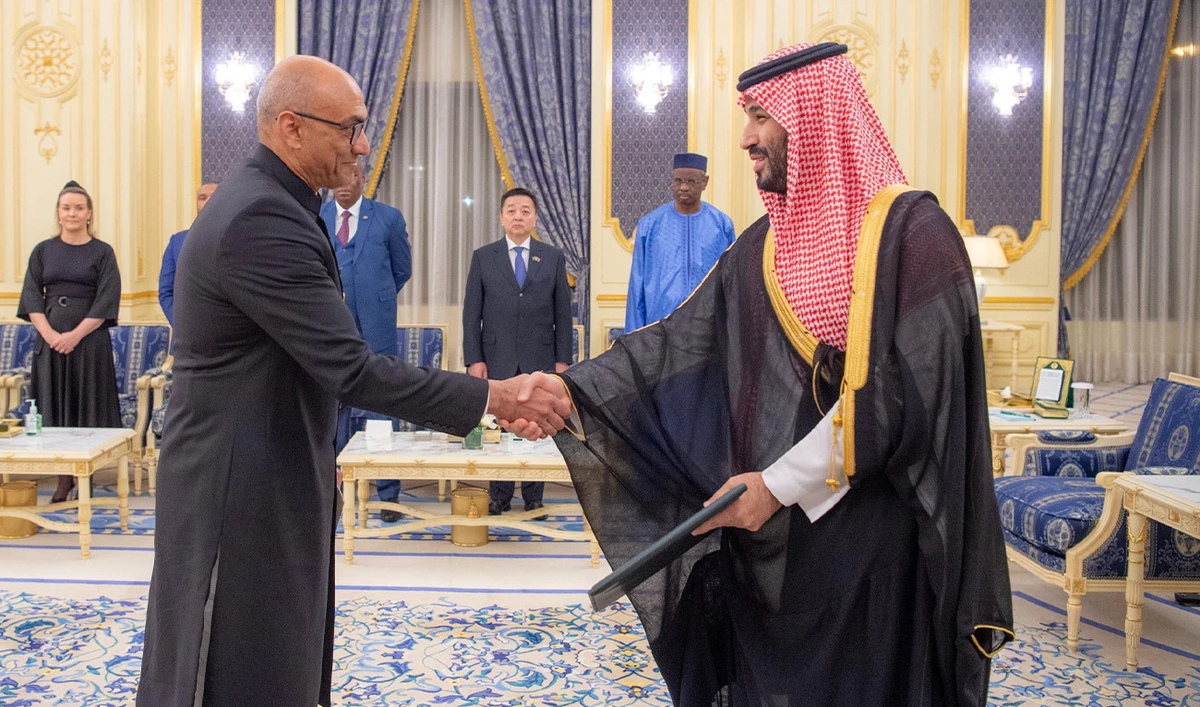
Despite the regional tensions, Farooq said both countries still hoped Saudi Crown Prince Mohammed bin Salman would visit Pakistan this year to sign the agreement.
“I can’t say with surety of when exactly in 2026,” he said. “We are facing, as you are aware, a very unique situation in the region. So we have to be mindful of that.”
Asked about the details of the framework, the ambassador called it “a global export plan” to make Pakistan “an export surplus nation.”
He said it was not just to fix the trade imbalance with the Kingdom but with the world at large with Saudi assistance.