Hajj Ministry, Saudi National Bank introduce digital wallet for pilgrims

The Nusuk Wallet allows pilgrims to manage their money and uses encryption technology for security. (SPA)
Short Url
Updated 04 June 2024
Follow

Hajj Ministry, Saudi National Bank introduce digital wallet for pilgrims

  • Nusuk Wallet uses encryption technology and biometric identity verification for security

RIYADH: The Ministry of Hajj and Umrah, in cooperation with the Saudi National Bank, has launched the first international digital wallet for pilgrims.

The Nusuk Wallet allows pilgrims to manage their money and uses encryption technology for security.

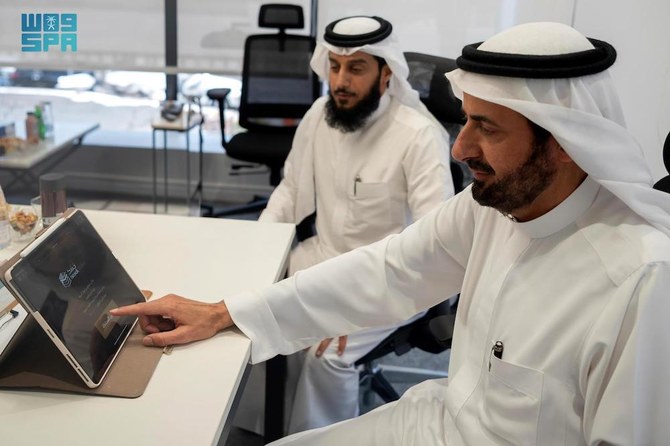
Hajj and Umrah Minister Tawfiq Al-Rabiah launched the online service with several officials in Jeddah, the Saudi Press Agency reported.

Ahmed Al-Maiman, director of the digital department at the ministry, said: “With the launch of the digital wallet, six achievements have been realized at the local and international levels.

“It is the first digital wallet and international bank card in the world, allowing Hajj pilgrims and Umrah performers to manage their money during the period of their stay for performing rituals.

“Following this move, we have become closer to achieving our goal of developing a successful super-app that meets pilgrims’ needs.”

Al-Maiman added: “This innovation is a qualitative leap in the field of technical services, as the wallet combines modern technology with the needs of users.”

It includes the latest technologies “such as AI, encryption, and biometric identity verification, in addition to advanced technologies such as API (Application Programming Interface) and integrated SDK (Software Development Kit).”

He added: “It is also the first open-loop digital wallet embedded within an application in the world, designed to enable Hajj pilgrims and Umrah performers to manage their money.”

The SNB’s Digital Ventures and Payments CEO Saleh Al-Furaih said the service complies with Saudi Central Bank regulations, which guarantees financial security.

The ministry added that it welcomes new ideas and solutions to assist pilgrims, and urged private companies to submit their proposals via email at [email protected].


14 sculptures go on display at public spaces in Riyadh

Updated 11 December 2025
Follow

14 sculptures go on display at public spaces in Riyadh

  • The works were chosen by Riyadh Art from its international Tuwaiq Sculpture symposium to reflect its ‘vision of weaving beauty and intellect into the city’s fabric’
  • Initiative aligns with efforts to make art a key part of city’s identity that improves quality of life and promotes the cultural economy, says Royal Commission for Riyadh City’s Khalid Al-Hazani

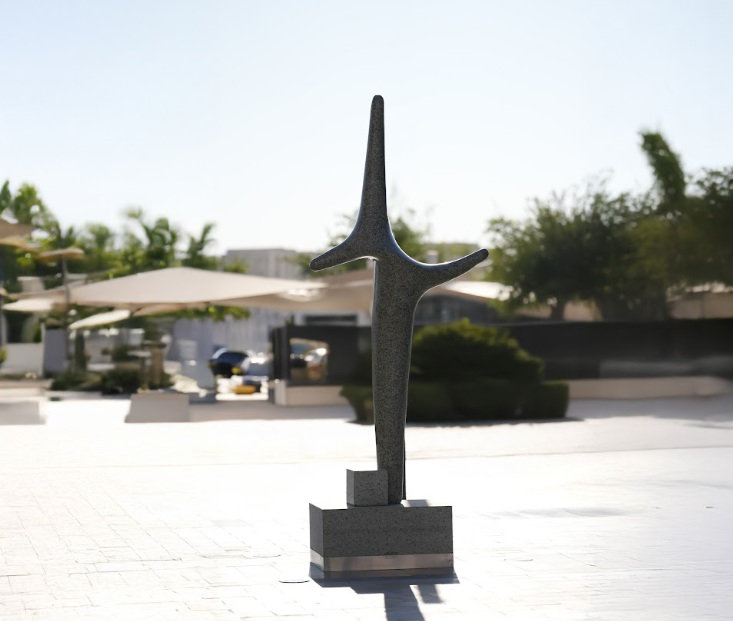
RIYADH: Fourteen sculptures selected from the annual international Tuwaiq Sculpture symposium, a Riyadh Art program, went on display on Wednesday at three prominent public spaces across the Saudi capital: ROSHN Front, the SEDRA residential community, and Sports Boulevard.

The project is part of Riyad Art’s efforts to showcase artworks in public spaces, and the addition of more works in other places is expected later.

Khalid Al-Hazani, the executive vice president of the lifestyle sector at the Royal Commission for Riyadh City, said: “This step reflects (Riyadh Art’s) vision of weaving beauty and intellect into the city’s fabric, and creating vibrant and culturally rich public spaces, allowing art to become an integral part of people’s daily lives.”

It is also in line with Riyadh Art’s broader strategy for transforming the city into an open-air art gallery, he added, thereby “turning art into a central element of the city’s identity and a key contributor to improving quality of life and promoting the cultural economy.” 

The Riyadh Art Program installed on Wednesday 14 sculptures selected from the Tuwaiq International Sculpture Symposium at prominent locations in Riyadh, including the ROSHN Front, SEDRA Residential Community, and Sports Boulevard. (Supplied)

The three chosen locations were considered perfect places to host the artworks because of their vibrancy, strong community connections and accessibility, Al-Hazani noted.

“This provides residents and visitors with the opportunity to engage with the sculptures in their everyday lives,” he said.

Seven of the sculptures have been installed at ROSHN Front, considered a key urban hub. The artworks on display there form a thought-provoking artistic landscape that encourages interaction, organizers said, and explores a number of themes including the values of urban transformation, community spirit, and creative curiosity.

Three sculptures are on display at the SEDRA residential community. Chosen to complement its serene character and nature-integrated urban planning, they blend in with their surroundings to reflect the values of environmental harmony, contemplation and renewal, organizers explained.

The remaining four sculptures are at Sports Boulevard, known for its open, green spaces. These works reflect several concepts, in particular ideas of nature, balance and public health.

All of the sculptures are part of Riyadh Art’s permanent collection, which includes works created by local and international artists during the Tuwaiq Sculpture symposium.