



JEDDAH: Fintech startup Thimsa aims to streamline business payments with direct bank transfers as it launches a beta platform in the UAE and Bahrain, targeting the region’s open banking growth.
Co-founded by two Saudi entrepreneurs along with a financial expert, the startup seeks to facilitate instant B2B pay-ins and payouts, while also offering eInvoice and subscription features.
The projected growth of open banking in the Gulf Cooperation Council countries has motivated Rayan Azab and Salah Khashoggi to partner with Dubai-based fintech entrepreneur Ash Kalra to spearhead this venture after four years of market research.
This comes as open banking is projected to account for over $124 billion worth of transactions in the GCC region alone by 2031, up from $14 billion in 2020, with an annual growth rate of 22 percent, according to a report by Allied Market Research.
Sharing the story behind Thimsa with Arab News, Azab said: “The journey took about three to four years, but realistically, we started this year with the different experience we have.”
He added that they have studied the market and know that fintech usage in the region is one of the highest in the world thanks to a young, vibrant generation across the GCC.
“We have advised and partnered with in a couple of other fintech companies, and then we decided (to found the company) since the open banking regulation has been implemented in the last few years,” Azab said.
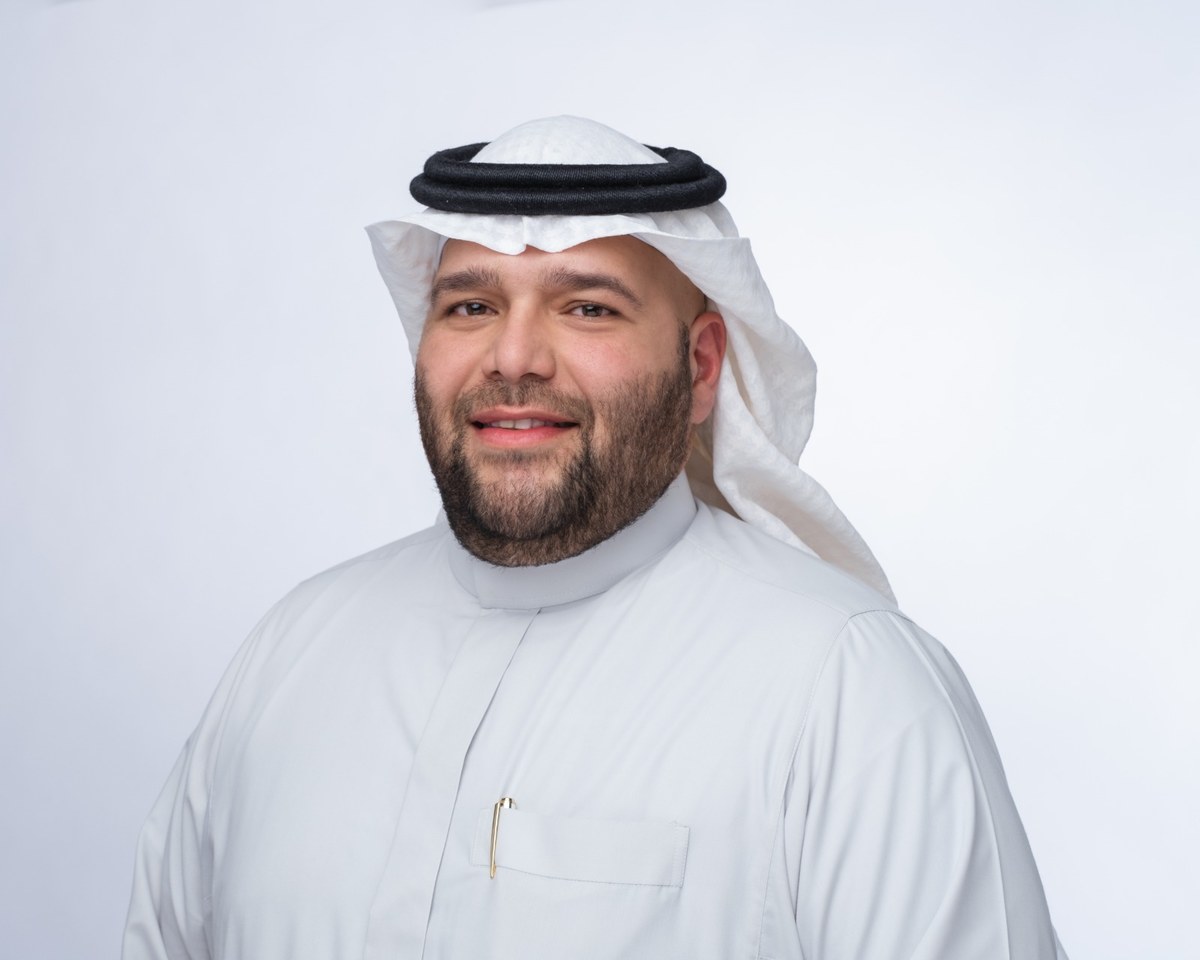
Rayan Azab. Supplied.
The entrepreneur added that the process has become easier over time, highlighting their decision to enter the open banking sector now as the reason behind founding Thimsa. He noted that the partners possess diverse experiences, which he believes will contribute to their success.
“We are three partners. Kalra has fintech experience in Canada and the US for over 12 years, and I have been in the business world for over 14 years. Additionally, I have an advisory company aside from Thimsa. Salah Khashoggi, founder of Tamra Capital, is also part of our team and brings his expertise from Saudi Arabia,” he added.
Through open banking, the company states that its platform can access shared financial data via 350 integrated APIs, enabling businesses to streamline processes, create personalized financial services, and adapt to ever-evolving customer needs.
Additionally, the fintech firm emphasized that its solution can accept payments in over 60 currencies from more than 150 countries.

Explaining their decision to launch the payment management platform in the UAE and Bahrain first, Azab told Arab News that they wanted to test it in smaller markets before entering larger ones like Saudi Arabia.
He added that they are aligning their efforts and developments with the regulatory changes and expansions made by the local regulator as it enhances its framework.
“Saudi Arabia has recently advanced its open banking initiatives and is poised to become a regional leader in open banking," he explained.
Highlighting the potential impact of open banking growth in the GCC on their trajectory, Azab mentioned that the segment is already established in the region, and they are not introducing something entirely new.
“We are just revamping it. Thimsa is going to come and help small businesses that cannot afford to just go and do the huge accounting or whatever,” he said, adding that they will be adding value to these businesses.
Talking about their platform, he explained that the technology features instant payment management, corporate management, and most importantly, business-to-business and customer-to-business features.
Azab concluded by stating that they have encountered many challenges, but they have gained significant experience in understanding the market and its growth trajectory. Additionally, he mentioned that they are working closely with regulators.

Salah Khashoggi. Supplied
Envisioning the platform changing the financial services landscape for GCC businesses, Khashoggi told Arab News that the region, particularly Saudi Arabia, is undergoing a massive transformation in fintech and financial inclusion.
“We want to focus on enabling SMEs (small and medium enterprises). So, the idea behind Thimsa is how to help all these SMEs, making financing available to them in addition to easing their operations. All of this is a result of open banking,” Khashoggi said.
The co-founder added that without open banking regulations in Saudi Arabia, they could not have or even come up with something like Thimsa.
Speaking about their future expansion plans, Khashoggi emphasized that their primary focus is on product development. He explained that once they have demonstrated success in Saudi Arabia and the GCC region, they will aim to expand their product offerings to the global market.
He pointed out that the beauty of fintech lies in its integration with the digital economy, making it one of the most easily exportable products globally. However, he noted that it is crucial to remain attentive to market demands.
“So, if you want to expand to any other market, you need to localize the product to fit their needs,” he said.
He emphasized that their strategy involves perfecting their product here in Saudi Arabia first before confidently venturing into international markets.
Asked how Thimsa can ensure the security and privacy of its users’ information, given the extensive use of financial data, he stated that this is entirely under the control of the regulator.
“The regulator sets the bar very high when it comes to sharing any data. We are entrusted by our clients with their data for their benefit. We are not going to take it and use it or sell it or do anything with it. All of that is not allowed by the regulations. We will only use it for the benefit of the client,” he said.
For his part, Kalra described Thimsa as a state-of-the-art financial management platform, emphasizing that it is based on the core principles of open banking and finance.
“Open banking aligns very well with the Vision 2030 in Saudi Arabia, and it runs on real-time payment rails. So that means it spurs innovation, growth, and inclusiveness all across the market,” he said.
Highlighting the open banking landscape in the GCC market, particularly in Saudi Arabia, and discussing whether they will be competing with banks, Kalra commented: “Open banking is a technology which allows banks to share their data with third parties like us, which spurs innovation and growth in the market.
“For the Saudi market, that’s a huge deal. So, one of the pillars of Vision 2030 is diversifying the economy, and open banking just does that,” he said.

Ash Kalra. Supplied
Kalra added that it allows the incumbent banks to work with third parties like them, and said: “So we are not competing against the banks, we are actually working with them.”
Describing the technology and how their platform would make payment management easier, he said that Thimsa uses a microservices architecture and API-based technology.
“We collect a lot of data from the bank on the businesses and consumers and innovate around it. So, that is a key technology that Thimsa uses,” he concluded.


