

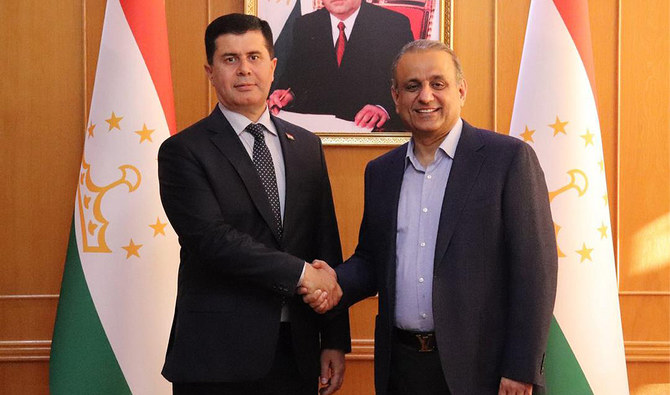

Islamabad: Pakistan’s investment minister on Wednesday reaffirmed his country’s resolve to cooperate with Central Asian states in the region, state media reported, as Islamabad pushes forward an ambitious agenda to bolster trade and economic activities while grappling with a macroeconomic crisis.
Pakistan has aimed to enhance its role as a pivotal trade and transit hub connecting the Central Asian republics with the rest of the world, leveraging its strategic geographical position.
The South Asian country has invested in infrastructure projects like roads, railways and pipelines while seeking greater economic connectivity under the China-Pakistan Economic Corridor (CPEC) initiative.
“Pakistan has reaffirmed the resolve to cooperate with Central Asian countries to boost economic and trade activities in the region,” the state-run Radio Pakistan reported.
Pakistan’s Minister for Privatization Abdul Aleem Khan made these comments while addressing a regional forum titled: “Road to Tien Shan” in Tajikistan.
Khan said international trade would ensure the entire region’s development and prosperity.
“He said Pakistan’s Port Qasim and Gwadar port are available for Central Asia’s trade routes,” Radio Pakistan said
In April, Pakistan opened its trade gateway to Central Asia with first potato shipment to Tajikistan.
Prime Minister Shehbaz Sharif has repeatedly said Islamabad does not require loans but “mutually beneficial” economic partnerships with its allies.


