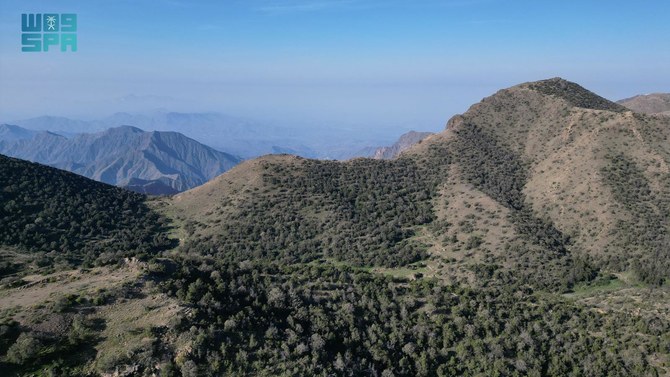
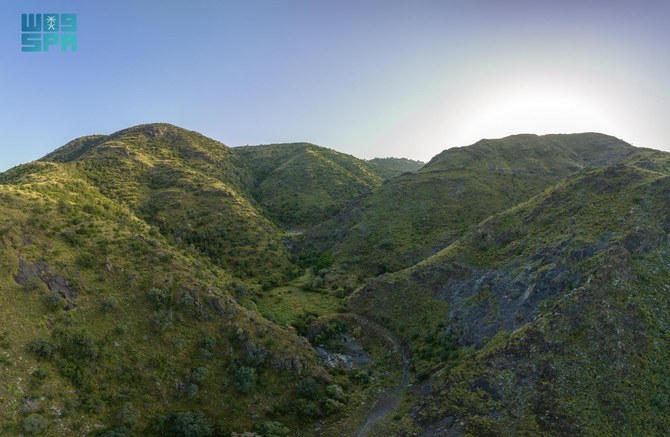

JEDDAH: With its low annual rainfall, much of Saudi Arabia’s vast landscape is covered by desert, broken by occasional oases. In its mountainous regions, valleys, and along its coastline, however, the Kingdom is home to multiple forest ecosystems.
Forests play a pivotal role in combating climate change by acting as carbon sinks — storing carbon both above and below ground, thereby extracting it from the atmosphere, where it would otherwise contribute to the greenhouse effect.
Their significance in climate change adaptation and mitigation is also underscored by their role in creating local microclimates, providing habitats for a wealth of biodiversity, locking in freshwater resources, and preventing flash floods, landslides, and soil degradation.
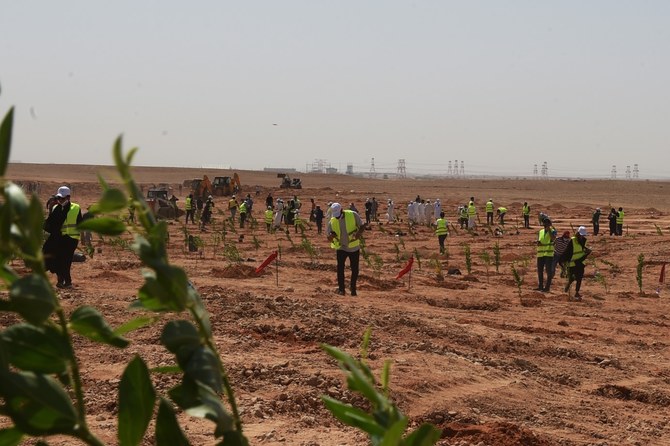
Riyadh residents take part in a tree-planting project as part of the Greener Home initiative. (@Riyadh_Green/File)
Saudi Arabia’s National Center for Vegetation Cover Development and Combating Desertification is at the forefront of implementing the Kingdom’s strategic goals outlined in Vision 2030.
“Forests play a crucial role in mitigating climate change,” Samir Malaika, assistant director-general of the general administration of forests at NCVC told Arab News. “Saudi Arabia’s dry climate and geography hinder its efforts to conserve forests and promote plant growth.
“With most areas receiving minimal rainfall, forests struggle to thrive. The escalating impact of climate change exacerbates environmental stressors, hampering forest growth and regeneration efforts.”
The NCVC aims to elevate living standards by reducing pollution and facilitating the restoration of degraded environments. It is also committed to building resilience against natural hazards and defenses against harmful pests that could pose risks to vegetation.

Simultaneously, it prioritizes the sustainable development of the Kingdom’s natural resources. With seven ongoing initiatives, it aims to ensure the responsible and lasting utilization of resources in line with the nation’s sustainability objectives.
Among the center’s key initiatives under the Saudi Green Initiative is a scheme to plant some 10 billion trees — representing a significant step in the Kingdom’s reforestation effort.
The initiative for forest management and sustainable development by 2030 underscores a long-term commitment to nurturing and preserving woodland environments.
The phased approach to preserving and restoring vegetation in pasture areas reflects a strategic focus on addressing the specific ecological challenges faced by different ecosystems.
Opinion
This section contains relevant reference points, placed in (Opinion field)
Furthermore, the initiative for developing vegetation and infrastructure for 50 national parks highlights the importance of creating protected natural spaces while promoting biodiversity and ecotourism.
Moreover, the initiative to plant 7 million wild trees in royal reserves demonstrates a targeted effort to enhance the natural habitats within these pristine areas.
Engagement by the public and private sectors in vegetation development and combating desertification underscores the collaborative approach needed in order to achieve sustainable environmental goals.
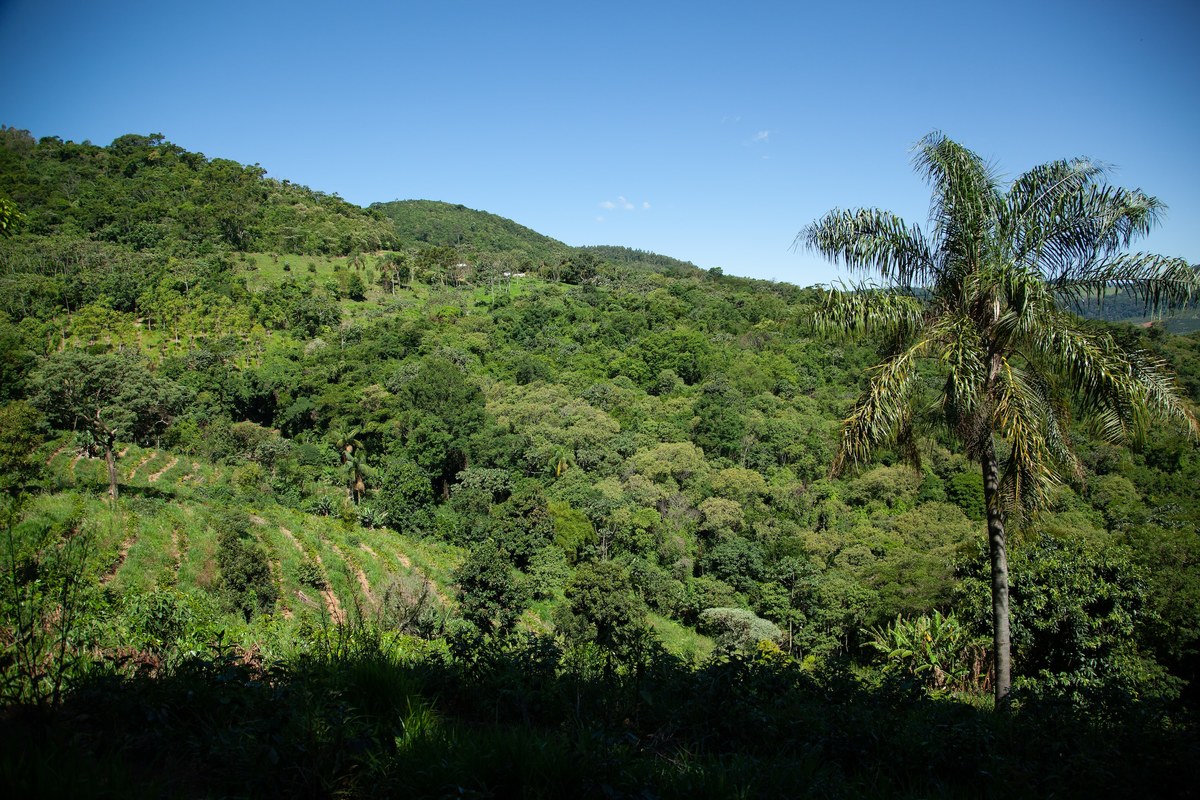
One initiative of the National Center for Vegetation Cover Development and Combating Desertification with the aim of achieving sustainable forest management is to tap local community participation in agroforestry projects and by promotingecotourism. (Photo Courtesy: NCVC)
By harnessing the collective resources and expertise of various stakeholders, these initiatives aim to create a resilient and thriving ecosystem that benefits both present and future generations.
According to Malaika, Saudi Arabia boasts a forest coverage spanning approximately 2,768,050 hectares, primarily concentrated in the southern and southwestern regions, along riverbeds, and on the coastlines of the Red Sea and the Arabian Gulf.
These forest ecosystems are categorized into three primary types: mountain, valley, and mangrove.
Mountain forests
Mountain forests are predominantly located in the region spanning the Hijaz Mountains in Taif to Jazan in the south. These areas have neutral soil acidity and receive the highest rainfall and humidity levels, particularly evident in the southwest with denser forest cover.
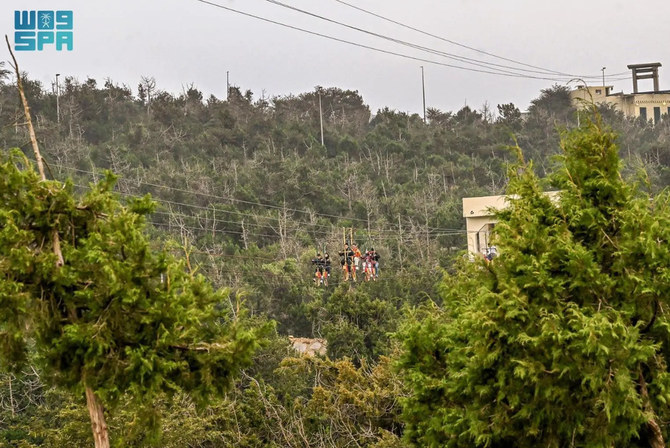
The juniper tree has proudly stood as a symbol of picturesque beauty in Al-Baha region, adorning its slopes and mountain peaks with vibrant green hues. (SPA)
Forests are made up of several Juniperus plant species, typically found at altitudes of 2,000 meters and above. Additionally, Olea chrysophylla forests, characterized by wild olive trees with golden leaves, thrive at altitudes of 1,500 to 2,000 meters.
At lower altitudes, between 1,000 to 1,500 meters, Acacia plant species dominate the landscape.
Notably, terraced agriculture is a common feature of mountainous regions, facilitating crop fruit tree cultivation while aiding in water retention and soil protection. However, improper management can lead to land degradation, adversely affecting the surrounding forests.
DID YOUKNOW?
• Saudi Arabia is home to more than 63 unique ecosystems, ranging from mountainous regions to coastal lowlands.
• The Kingdom boasts a diverse array of wildlife, including 78 terrestrial mammal species and 499 species of bird.
• Coral reefs in Saudi Arabian waters host an impressive 266 species, contributing to marine biodiversity.
• With more than 6,500 species, Saudi Arabia’s invertebrate population testifies to the richness of its ecosystems.
• Saudi Arabia boasts three distinct forest ecosystems: mountain forest, valley forest, and mangrove forest.
Valley forests
Saudi Arabia’s topography features 179 valleys distributed across the country. Valley forests, mainly situated in semi-arid regions, are characterized by species such as Acacia ehrenbergiana, Acacia tortilis, Maerua crassifolia, several species of Commiphora, and Salvadora persica.
Additionally, oases and valleys are abundant with various Acacia species, Ziziphus spina-christi, Salvadora persica, Haloxylon persicum, trees, shrubs, and Hyphaene thebaica.
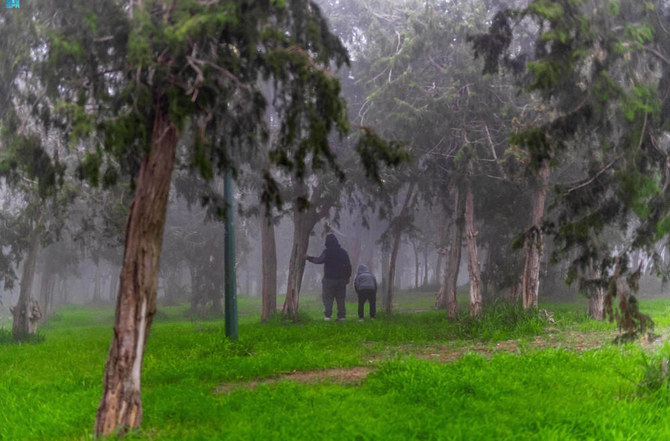
Saudi Arabia’s topography features 179 valleys distributed across the country. (AN file photo)
Mangrove forests
Mangroves and coastal ecosystems tolerant to saltwater are predominantly located along the Red Sea coast, with other stretches found along the Arabian Gulf coast.
Despite the lack of comprehensive forest data, studies indicate significant degradation of the mangrove ecosystem.
Avicennia marina is the most prevalent species in mangrove forests, with Rhizophora mucronata being less common.

Besides these natural forests, the Kingdom is also host to many urban and cultivated woodlands in its parks and residential neighborhoods, planted to provide shade, reduce temperatures, and beautify city streets.
Despite the Kingdom’s diverse ecosystems, it faces significant challenges in preserving and expanding its forests, including limited resources, poor local management, insufficient nursery production to meet seedling demand, a lack of awareness about dumping and unauthorized grazing, and other irresponsible human activities.
The Saudi National Center for Wildlife is working to protect, develop, and restore ecosystems and biodiversity around the Kingdom, in addition to addressing risks related to plant and animal life.
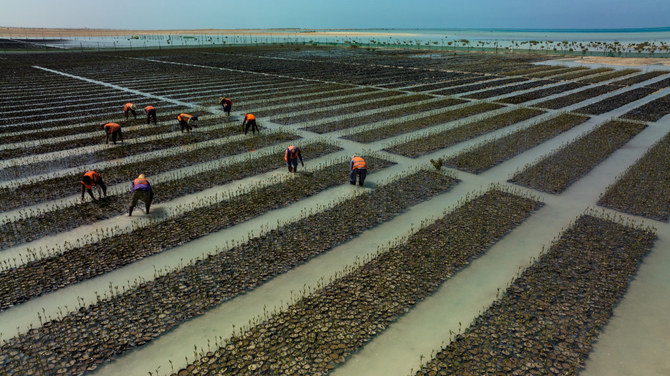
Red Sea Global implemented a nursery project with the goal to have 50 million trees of Mangroves by 2030. (Red Sea Global photo/File)
According to Abdulmanea Al-Qahtani, invertebrates department director at the NCW, the Kingdom has 63 distinct ecosystems, encompassing a diverse range of landscapes, including mountains, plains, deserts, valleys, forests, seas, wetlands, plateaus, coastal areas, and marshes, all teeming with biodiversity.
The Kingdom is home to 78 species of terrestrial mammal, 499 species of bird, 136 species of reptile, seven species of amphibian, and more than 6,500 species of invertebrate.
In its waters, the Kingdom also offers habitats to 19 species of marine mammal, eight species of freshwater fish, 1,248 species of saltwater fish, and 266 species of coral
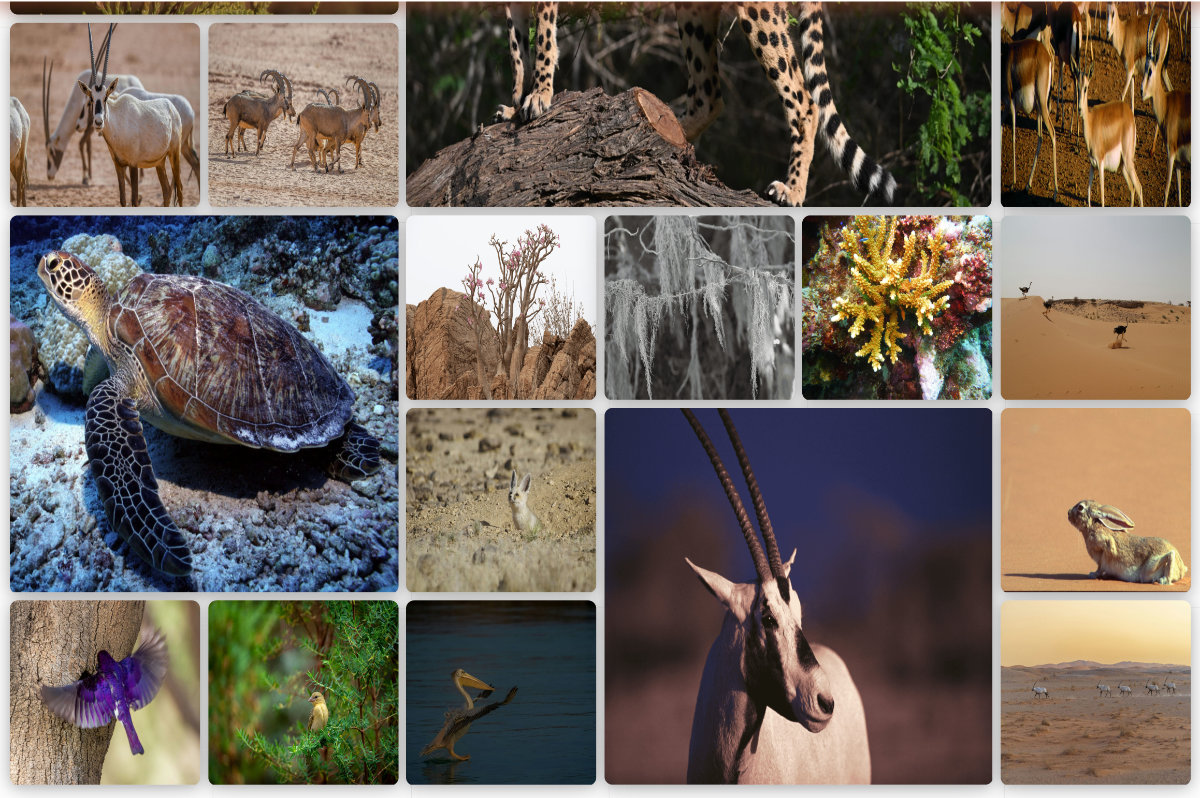
Unknown to many, Saudi Arabia is home to 78 species of terrestrial mammal, 499 species of bird, 136 species of reptile, seven species of amphibian, and more than 6,500 species of invertebrate. (NCW collage image)
The Saudi Green Initiative, launched by Crown Prince Mohammed bin Salman in 2021 under the Vision 2030 framework, aims to tackle threats to this rich biodiversity and foster sustainable development.
Key goals include transitioning to a sustainable economy by reducing carbon emissions, boosting renewable energy production, and bolstering conservation efforts.
Additionally, the initiative aims to enhance environmental protection, promote green technologies, and create green jobs to drive economic diversification and growth.