- Dubai Unlocked investigative project has revealed Pakistanis own residential properties worth $11 billion in Dubai
- UAE working in recent years to tighten legislation, increase cooperation with foreign law enforcement on extradition
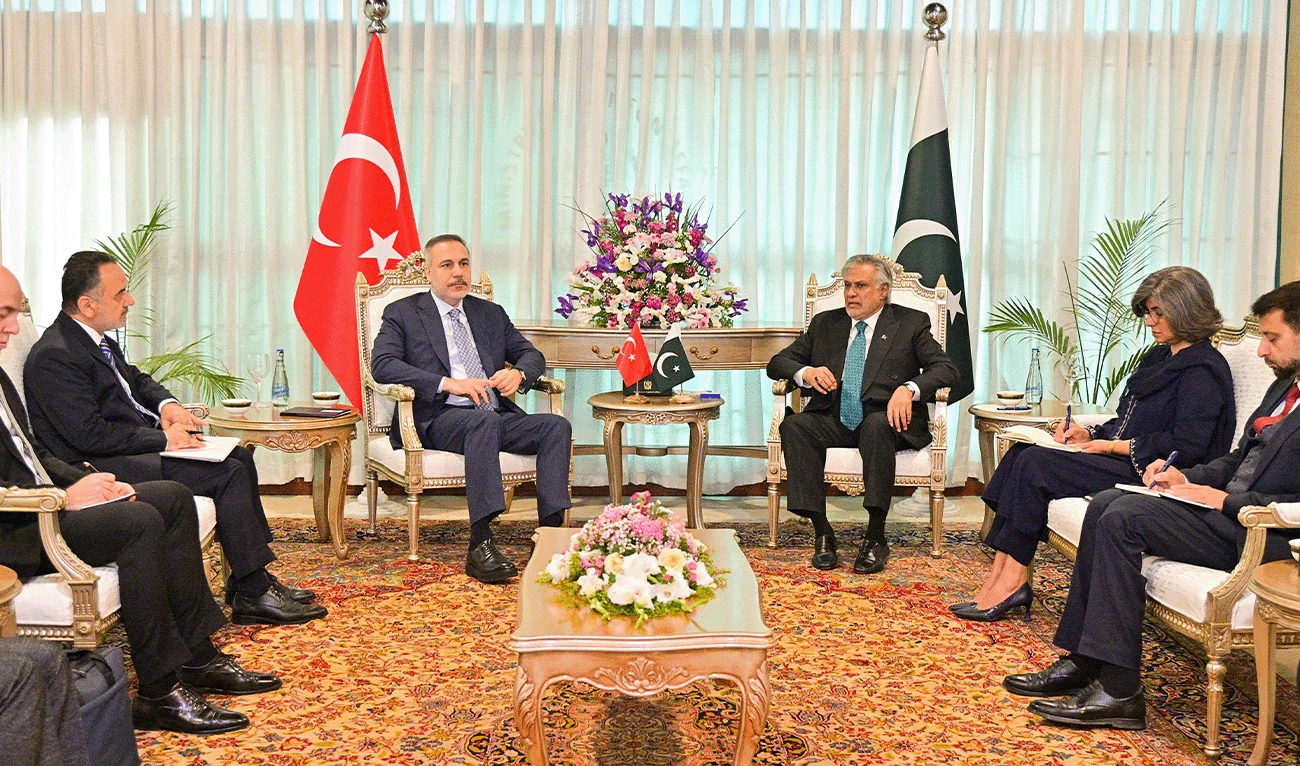
ISLAMABAD: Top Pakistani politicians have dismissed a new leak of records that has revealed residential properties worth around $11 billion owned by the country’s political, military and business elite in Dubai, saying all mentioned assets had been legally declared.
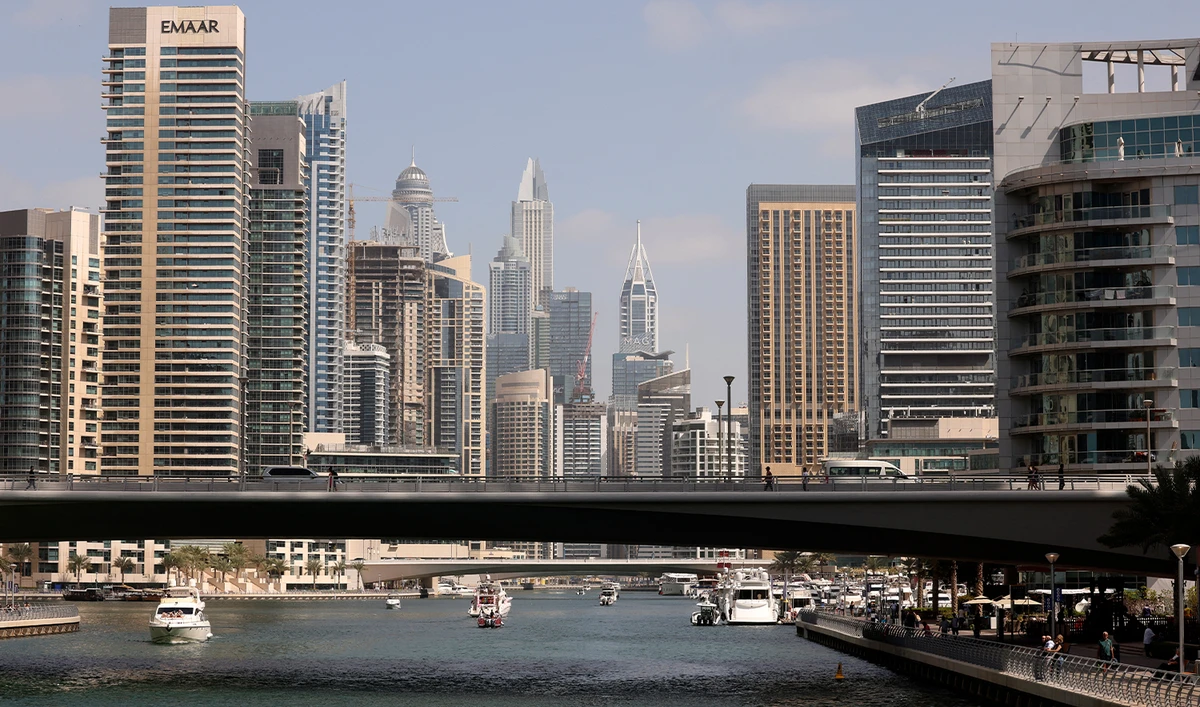
Dubai Unlocked, an investigative project involving more than 70 media outlets around the globe, has revealed the ownership of properties in the Emirate of prominent global figures, including alleged money launderers and drug lords, political figures accused of corruption and their associates, and businessmen sanctioned for financing terrorism, among others.
The data spans 2020 and 2022 and only includes residential properties.
Pakistanis listed in leaks include President Asif Ali Zardari’s three children, former Prime Minister Nawaz Sharif’s son Hussain Nawaz Sharif, Interior Minister Mohsin Naqvi’s wife, Sindh provincial minister Sharjeel Memon and family members, Senator Faisal Vawda, Pakistan Tehreek-e-Insaf lawmaker Sher Afzal Marwat, and half a dozen lawmakers from the Sindh and Balochistan assemblies.
The Pakistani list also features the late Gen (retired) Pervez Musharraf, former prime minister Shaukat Aziz, former army chief Qamar Javed Bajwa’s son, and more than a dozen retired army generals as well as a police chief, an ambassador and a scientist, all of whom owned properties either directly or through their spouses and children.
Pakistani politicians and others were last named in the 2016 Panama Papers, leaked documents that showed how the rich exploit secretive offshore tax regimes.
“What is the new thing here,” Defense Minister Khawaja Muhammad Asif said on X, dismissing the leaks and saying all those named in the data were already known to have properties abroad.
Explaining his position on the issue, Pakistan’s interior minister Mohsin Naqvi said the Dubai property bought in his wife’s name in 2017 was fully declared and listed in tax returns.
“It was also declared in returns submitted to the Election Commission as caretaker CM [chief minister] of Punjab,” he said in an X post. “The property was sold a year ago, and a new property was purchased recently with the proceeds.”
Pakistan Tehreek-e-Insaf (PTI) lawmaker and ex-PM Imran Khan aide, Sher Afzal Marwat, admitted he owned an apartment in Dubai, but had declared it with authorities in Pakistan, including the Federal Board of Revenue and the Election Commission of Pakistan.
“It can be confirmed with both the FBR and as well as ECP,” he said.
President Zardari’s Pakistan Peoples Party also said the properties of its leaders in Dubai had been duly declared in tax returns.
The property records at the heart of the Dubai Unlocked project come from multiple data leaks, mostly from the Dubai Land Department, as well as publicly owned utility companies. Taken together, the data provides a detailed overview of hundreds of thousands of properties in Dubai and information about their ownership or usage.
The data was obtained by the Center for Advanced Defense Studies (C4ADS), a non-profit organization based in Washington that researches international crime and conflict. It was then shared with Norwegian financial outlet E24 and the Organized Crime and Corruption Reporting Project (OCCRP), which coordinated an investigative project with dozens of media outlets from around the world.
The UAE was dealt a major reputational blow in March 2022 when it was flagged by global watchdog, the Financial Action Task Force (FATF), for “deficiencies” in its systems to combat money laundering and terror financing.
The move, which threatened to tarnish Dubai’s reputation as a premier center of finance, sparked a concerted effort by UAE authorities to tighten legislation and increase cooperation with foreign law enforcement on extradition.