


DUBAI: The Middle East Institute in Washington DC is hosting works by female photographers from the Arab world.
Tasneem Al-Sultan
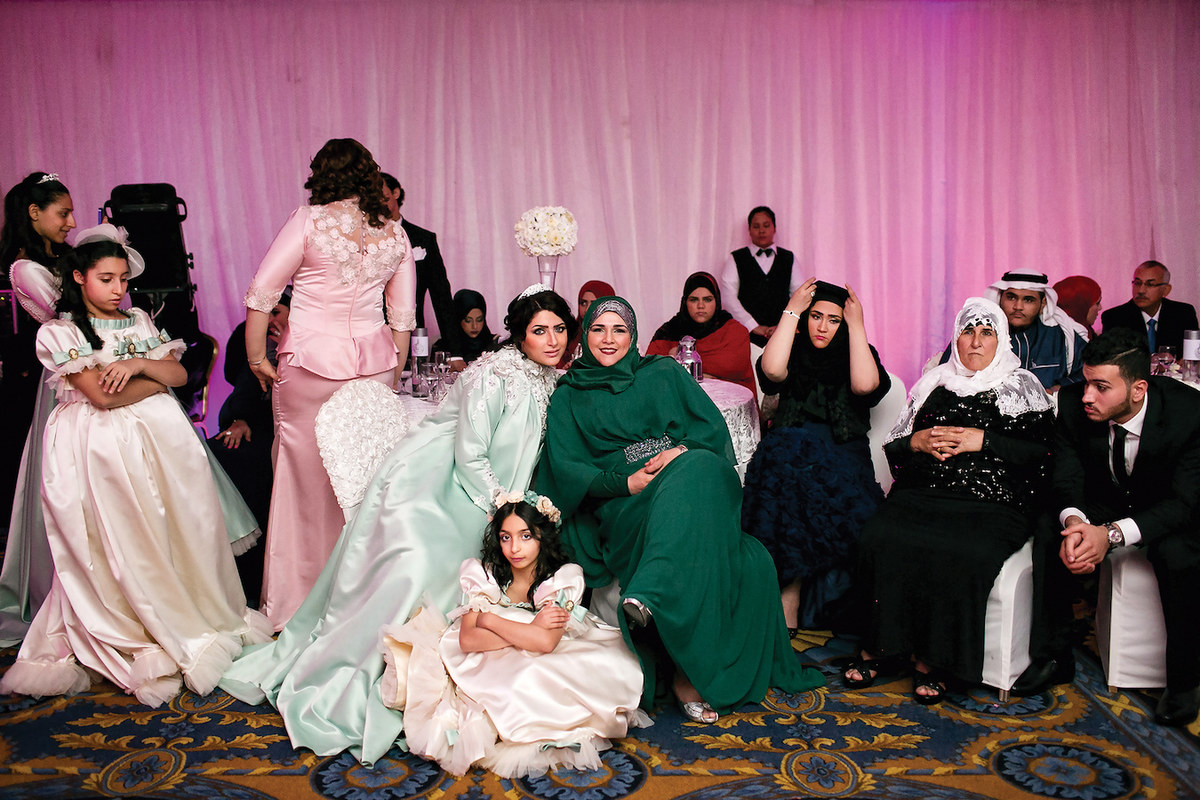
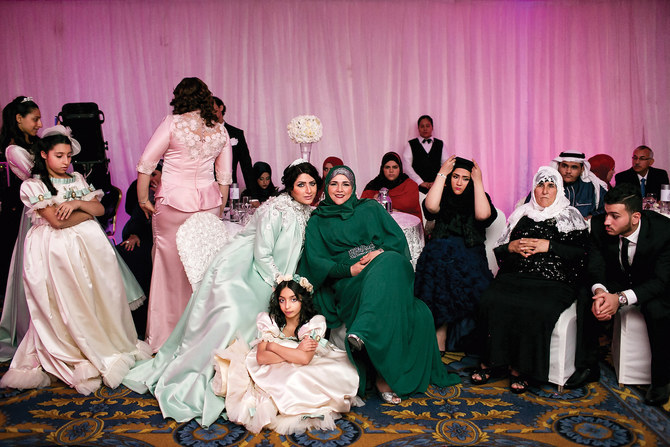
‘Diversity Within Saudi Weddings’
The acclaimed Lebanon-born Palestinian-American photographer Rania Matar has curated “Louder Than Hearts,” an exhibition of work by 10 female photographers, including herself, from the Arab world and Iran that runs at the Middle East Institute in Washington DC until October 4. Saudi Arabia is represented by Riyadh-based “visual storyteller and photographer” Tasneem Al-Sultan, specifically her “Saudi Tales of Love” series, which, the MEI says, is “informed by her personal journey through marriage and divorce.”
In wedding images such as this one, Al-Sultan “depicts the constructs and expectations of marriage, including the elaborate ceremonies, as well as the various societal constraints the Saudi women she photographed faced and triumphed over” and “delves into the complexities of relationships and the interplay of tradition and individual choice.”
The series has garnered global recognition for Al-Sultan, featuring in Time’s “Lightbox” photo series and the international photography fair Paris Photo.
Rania Matar

‘Farah (In Her Burnt Car)’
Matar’s photography, the MEI states, “captures intimate moments that transcend borders and cultures and explores themes of personal and collective identity through photos of women in the US and the Middle East.”
The series to which this image belongs — “Where Do I Go? Fifty Years Later” — began after the devastating explosion in Beirut Port in August 2020, and the title alludes to the fact that 2025 will be the 50th anniversary of the beginning of Lebanon’s civil war. The wave of emigration that followed the 2020 explosion was “akin to that of 1984-85 when a wave of young people including herself left the war-stricken country. By photographing these women, Matar was relating to their experiences and their dilemma of immigration (decades) later.”
Rehaf Al-Batniji

‘Malak’
This image comes from Paris-based, Gaza-born photographer Al-Batniji’s series titled “(Shatt) The Beach & (Shatta) The Chili Pepper,” a project that explores “the social and cultural anthropology” of her hometown. Shatta is a major ingredient in Palestinian cuisine, and “emblematic of Gaza, where life’s challenges can sting like this fiery spice,” while shatt is “the serene beach where residents seek solace and escape their daily reality.”
Al-Batniji’s work, the MEI states, “offers an intimate portrayal of the territory, reflecting the struggles and intensity of life under siege, as well as the resilience and vibrancy of its communities with refreshing hopefulness. Al-Batniji rejects the brutal imagery of conflict and instead uses color as a tool of resistance.”
Carmen Yahchouchi

‘Victoria’
Mali-born Lebanese photographer Yahchouchi has work from three of her series in the exhibition, all of which “capture the enduring impact of the Lebanese Civil War on women, highlighting their pivotal roles in the middle of chaos and devastation,” the MEI’s promotional material states. “Her work offers glimpses into their resilience, strength and sacrifice as they navigated through tumultuous periods of history emerging as heroines within their communities and families and assuming new roles in the public sphere.” This piece is from her series “My Mother’s Gun,” and demonstrates Yahchouchi’s talent for photographing “the intimate spaces of human experience, inviting viewers into her subjects' unique worlds.”
Tanya Habjouqa

‘Inner Resistance’
The Jordanian photographer and journalist, who lives and works in East Jerusalem, “melds a mordant sense of irony with an unyielding examination of the repercussions of geopolitical conflicts on people’s lives,” according to the MEI. This image comes from her “Occupied Pleasures” series, which, the institute says, “presents a multidimensional portrayal of humanity’s ability to find joy amid adversity in the West Bank, Jerusalem, and Gaza, utilizing a sharp sense of humor about the absurdities produced by a 47-year occupation.”


