



RIYADH: Saudi-based biotechnology company NanoPalm is developing a biorobot using a unique blend of artificial intelligence, nanotechnology, and gene therapy to find a solution for patients with sickle cell disease.
Affecting approximately 20 million people worldwide, sickle cell disease is a genetic blood disorder in which red blood cells are crescent shaped and rigid. Patients with sickle cell experience blocked blood vessels, pain, fatigue, and anemia, impacting their well-being.
Founded in 2022, and headquartered in Riyadh, NanoPalm began life at the King Abdulaziz City for Science and Technology (KACST) before it was incubated by the NextEra initiative.
The NanoPalm team spent more than a year collecting data to feed into artificial intelligence models. (NanoPalm)
The biotechnology company is run by the Ministry of Communication and Information Technology in partnership with The Garage — once a car park, now a 28,000-square-meter space that can accommodate 300 startups.
Ali Al-Hasan and Samar Al-Sudir, the founders of NanoPalm, have used their expertise to develop a product that goes beyond treating the symptoms of sickle cell. Their aim is to remove the gene from a patient’s body altogether.
With Al-Hasan’s knowledge of nanomedicine and Al-Sudir’s background in chemistry, the pair were able to bring their combined expertise to bear.
The NanoPalm team spent more than a year collecting data to feed into artificial intelligence models, Al-Hasan told Arab News.
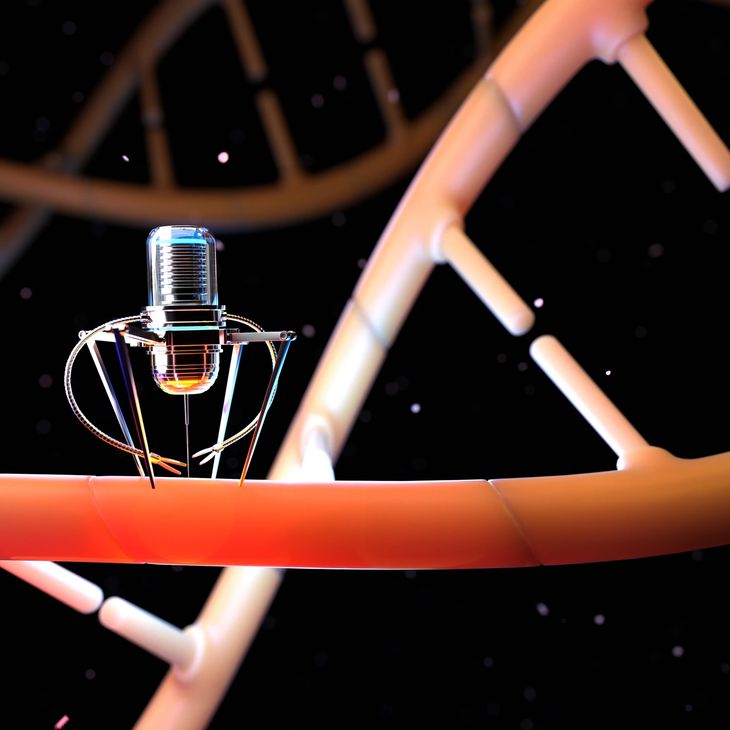
Nanobots are repairing damaged DNA. 3D illustration. (NanoPalm)
“We explored AI and we found it was a long journey where we needed to create our own data and generate the data that will be used to train AI models,” he said.
“It will predict the best gene therapy and predict its safety, its effectiveness, and cut down the duration of the therapy, while making it affordable.
“Discovery is at the heart of any drug development process in any pharma company. Now it has become digitized and AI enabled.”


In the development of their product, NanoPalm uses three technologies: AI to model and predict, nanotechnology to create the medicine, and gene therapy to edit genetic material.
“We use the manufacturing recipe from the AI and then go to the lab to build a lipid biorobot,” said Al-Hasan.
Opinion
This section contains relevant reference points, placed in (Opinion field)
“It’s like a vehicle. And those lipid biorobots encapsulate genetic materials such as mRNA and other RNA molecules, which act like scissors to remove the gene that we want to remove.
“When patients come to the clinic, they usually get an IV infusion of biorobots encapsulating genetic materials for four hours and then go home. The biorobots will then navigate their body and find where the disease is. They go after cells responsible for sickle cell.”
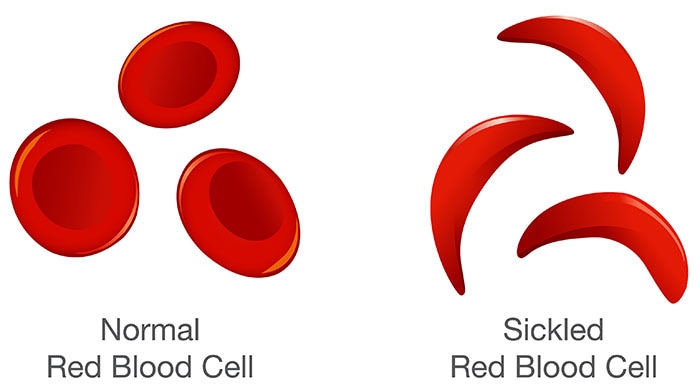
Sickle cell disease causes “sickle” shaped red blood cells. (CDC)
NanoPalm has set out to revolutionize the biotech industry. Al-Hasan said the company’s mission is to make treatment more cost-effective.
“As we dove into this problem, we found two important facts,” he said. “Sickle cell disease is not the only genetic disease. There are 6,000 other genetic diseases that have no known cures.
“The second problem is that the current gene therapies are ineffective. They are super expensive. The patients would have to be rich to afford gene therapies, for example, because sickle cell patients would have to pay $2.2 million to get one injection.”
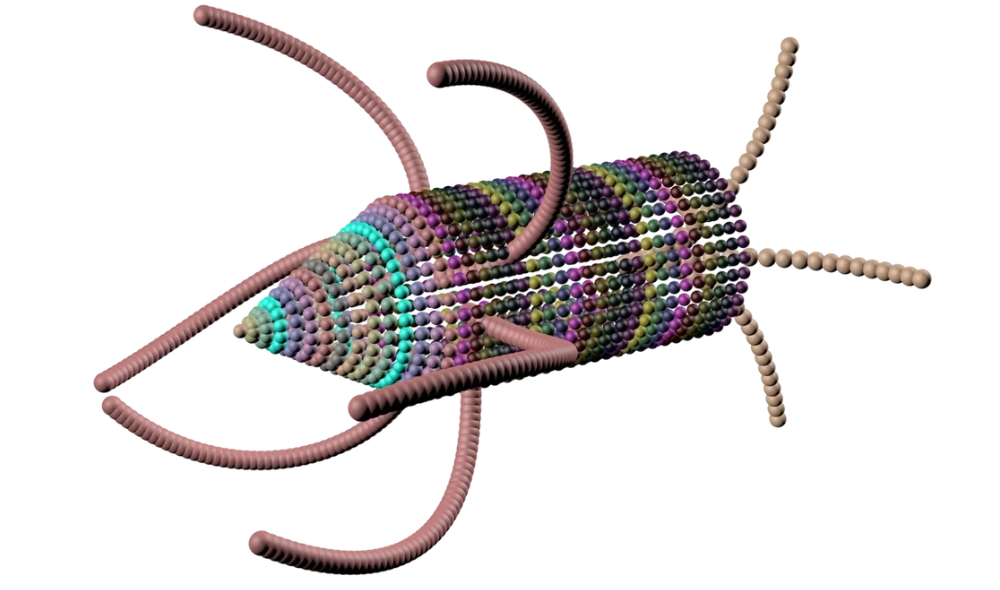
NanoPalm uses three technologies: AI to model and predict, nanotechnology to create the medicine, and gene therapy to edit genetic material. (NanoPalm)
NanoPalm is collaborating with KACST, King Saud University, and the National Guard Hospital to treat 15 sickle cell patients from Saudi Arabia.
Al-Hasan says some 42,000 Saudis stand to benefit from NanoPalm’s product when it is launched in 2030.


