

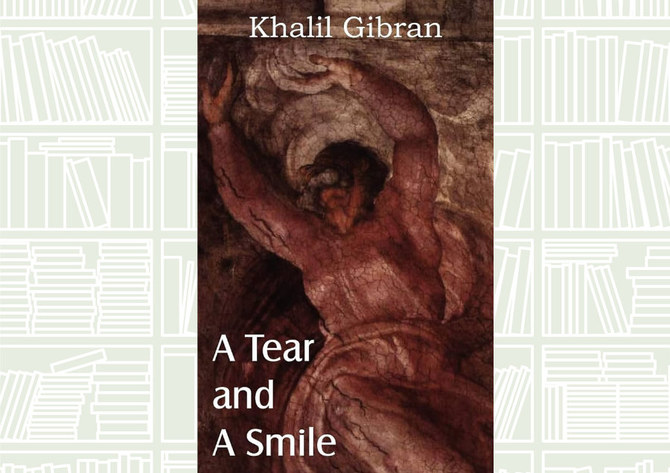

Khalil Gibran’s “A Tear and A Smile” is a collection of poems and reflections first published in 1914. The book explores the contrasting aspects of life, such as joy and sorrow, pleasure and pain, as well as the complexities of human emotions.
Gibran’s compelling lyrical and philosophical style shines as he contemplates the beauty and challenges of life including love, loss and longing.
He invites readers to reflect on the intricacies of their own emotions and experiences.
The collection is divided into two sections, “A Tear” and “A Smile,” symbolizing the duality of human existence.
In “A Tear,” Gibran delves into the sorrows and struggles of life, exploring pain, loss, and the transient nature of human existence. Through his poignant and evocative language, he captures the universal experience of human suffering.
In contrast, “A Smile” focuses on the brighter aspects of life. Gibran celebrates joy, love, and the beauty found in everyday moments.
He emphasizes the importance of gratitude, kindness, and embracing life’s blessings. The poems in this section inspire hope and encourage the reader to find solace and happiness in the simple pleasures of life.
“I would not exchange the sorrows of my heart for the joys of the multitude. And I would not have the tears that sadness makes to flow from my every part turn into laughter. I would that my life remain a tear and a smile,” he writes.


