

Hareed Festival: A window into the heart of the Farasan Islands

1 / 3
2 / 3
3 / 3
Short Url
Updated 06 May 2024
Follow

Hareed Festival: A window into the heart of the Farasan Islands

  • Annual event highlights tourism potential

Riyadh: The Farasan Islands, a string of coral islands nestled 40 km off the coast of Jazan in the Red Sea, have been abuzz with activity recently as they hosted the 20th Hareed Festival.

This vibrant annual event celebrates the arrival of parrotfish, also called hareed, in the islands’ shallow waters, the Saudi Press Agency reported on Sunday.

The islanders have cherished this event for generations, transforming it into a social gathering that goes well beyond the arrival of the fish.

Visitors to the festival got a glimpse of the islands’ rich cultural heritage as it showcased the area’s unique customs, traditions, folk games, and handicrafts. It also focused its spotlight on Farasan’s remarkable tourism potential and historic sites.

Al-Dana provides one of the highlights. It is a captivating form of vocal art that is one of Farasan’s oldest folk traditions. It forms a poignant expression of longing, a result of the hardships endured by sailors on extended pearl-diving expeditions. The challenges faced by these brave men fueled the art form, which is deeply rooted in Farasan’s cultural identity.

The annual festival also gives an opportunity for Farasan residents to display their traditional handicrafts. Visitors can watch the making of fishing traps and nets, the intricate weaving of palm fronds, the creation of bags and rugs, and hat knitting.

A designated area at the hareed fishing site catered to families and children. Visitors could experience the thrill of catching parrotfish using a traditional method that involved setting up barriers to prevent the fish from escaping. This competition, a centuries-old tradition, allowed families to connect with the region’s fishing heritage.

Farasan’s most renowned tourist attractions highlighted the islands’ potential for tourism.

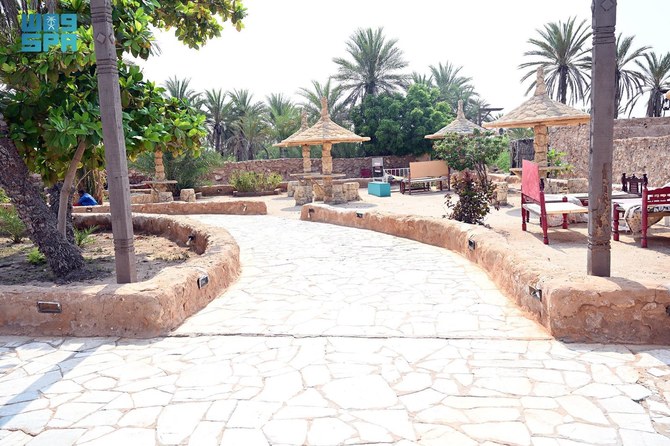
Al-Qassar village, which is located only 5 km from Farasan Grand Island, is a popular tourist site. This heritage village, which is built of stone and palm leaves, is home to the archipelago’s largest palm oasis.

Al-Qassar has served as a summer retreat for Farasan residents. People travel by camel to spend a three-month break in the village during the season of Al-Asef, the northwestern summer wind that comes after the hareed fishing season.

Famous for its abundance of fresh groundwater, Al-Qassar village comprises around 400 houses. These unique dwellings, with stone walls and roofs made of palm tree planks, leaves, doum palm, or anisotes trisulcus branches, topped with algae and mud, are made by traditional building techniques designed to withstand the elements.

The Hareed Festival is a window into the heart and soul of the inhabitants of the Farasan Islands; a celebration of culture, tradition, and the islands’ natural beauty.


Saudi Food and Drug Authority pioneering digital health safety

Updated 15 December 2025
Follow

Saudi Food and Drug Authority pioneering digital health safety

  • Digital foundation enabled the development of centralized dashboards that provide real-time analysis of adverse events
  • Major improvement has been the use of Robotic Process Automation (RPA) to ensure medication safety works smoothly

TOKYO: Saudi Arabia is establishing itself as a regional leader in digital health regulation by integrating advanced technologies into the Saudi Food and Drug Authority’s (SFDA) pharmacovigilance and cosmetic safety oversight.

In line with Vision 2030’s digital goals, these projects are creating new standards for using data to protect public health, according to the SFDA.

A report by the Oxford Business Group says the transformation began with modernising the National Pharmacovigilance Centre’s adverse reaction reporting system. Moving from paper-based submissions to the fully digital “Saudi Vigilance” platform marked a significant step forward.

The introduction of smart reporting forms with structured data fields and behavioural nudges grounded in psychological principles significantly improved reporting quality and completion rates.

This digital foundation enabled the development of centralised dashboards that provide real-time analysis of adverse events, enabling early identification of safety signals and under-reporting trends.

A major improvement has been the use of Robotic Process Automation (RPA) to ensure medication safety works smoothly. By letting computers handle repetitive tasks like sorting reports and checking data, the SFDA has become more efficient.

The new RPA system for identifying safety signals has also sped things up. These technology solutions have made work easier and happier employees by eliminating boring manual tasks.

The SFDA’s digital changes also help prevent risks by using new online learning tools. The aRMMs e-learning system, with training videos about high-risk medicines, has changed how health care workers learn. Adding digital safety steps directly into hospital computer systems has also made a big difference. This new approach puts safety alerts and learning materials directly into doctors’ daily work, ensuring important information reaches them when they need it.

Digital innovation has also helped prevent medication errors. Moving from the old Phonetic and Orthographic Computer Analysis system to the new Saudi Name Registration (SNR) platform has made it easier to spot potentially confusing drug names. With better computer programs that check both Arabic and English names, plus real-time alerts and automatic updates, the SNR system is a big step forward in ensuring the safety of medicines before they reach the market.

Looking ahead, the SFDA plans to use these digital changes to make cosmetic products safer as well.

Planned projects using artificial intelligence include computer systems that spot rule-breaking, automated ingredient checks, and tools that read customer feedback to identify early warning signs.

This digital strategy puts Saudi Arabia ahead in new ways of making rules. By using artificial intelligence, automation, and data analysis in its work, the SFDA is improving how it tracks medicine safety and preparing for further progress in keeping products safe for consumers.

All these efforts support Vision 2030’s goal of building a knowledge-based economy and keeping Saudi citizens as safe as possible.