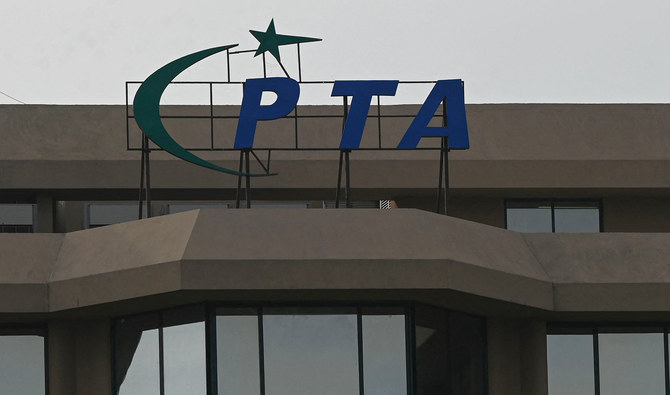
ISLAMABAD: The Pakistan Telecommunication Authority (PTA) on Saturday showed reluctance to implement the instructions of the country’s tax collection body to block the SIMs of non-filers, while asking the authority to review its decision.
The development came after the Federal Board of Revenue (FBR) issued a list of over half a million people who did not file income tax returns for 2023, instructing the PTA to block their cellphone SIMs as a penalty.
However, media reports indicated that telecom companies were reluctant to carry out the directives affecting so many subscribers, prompting an official meeting on Friday in which the government decided to act against anyone opposing FBR’s orders.
Still, the PTA circulated a brief notification on Saturday, seeking a review of the FBR’s decision.
“On the issue of blocking of mobile phone SIMs under section 114-B of Income Tax Ordinance, 2001, Pakistan Telecommunication Authority (PTA) has communicated to FBR that the Income Tax General Order (ITGO) in the manner as referred to the Authority needs review before its execution by the concerned entity/entities,” the notification said.
“In the meanwhile, PTA has also initiated consultation with stakeholders on the subject issue,” it added.
Pakistan has traditionally faced the challenge of convincing people to file their tax returns.
However, the government has decided now to implement stringent measures to address the problem, particularly in the context of negotiations for a new International Monetary Fund (IMF) program.
The IMF has frequently urged Pakistan to enhance its revenue collection from non-filers as part of broader economic reforms to support social and development initiatives.
In response, the FBR is taking steps like blocking the SIM cards of non-filers and considering other punitive measures to enforce tax compliance and widen the tax net.


![]()

Pakistan telecom authority seeks review of tax agency directive to block SIMs of non-filers
Short Url
https://arab.news/zph8m
Pakistan telecom authority seeks review of tax agency directive to block SIMs of non-filers
- Federal Board of Revenue issued a list of over half a million people who did not file tax returns in 2023
- Reports indicate that telecom companies showed reluctance to block the SIMs of so many subscribers
Latest updates


Recommended


© 2026 SAUDI RESEARCH & PUBLISHING COMPANY, All Rights Reserved And subject to Terms of Use Agreement.