TEHRAN: Iran’s judiciary said Tuesday that it commuted a death sentence for a tycoon to 20 years in prison after he returned around $2.1 billion in assets from illegally selling oil abroad, the official IRNA news agency reported.
Babak Zanjani, 48, was sentenced to death in 2016 over a number of charges, including money laundering, forgery and fraud that disrupted the country’s economy.
IRNA quoted judiciary spokesman Asghar Jahangir as saying that an appeal for amnesty by Zanjani was reviewed and his death sentence was “commuted to a 20-year prison term after approval by the Supreme Leader.”
Ayatollah Ali Khamenei has the final say on all state matters and occasionally issues pardons.
Jahangir said as part of Zanjani’s 2016 sentence, he had the right to an amnesty or commutation of his death sentence if he returned the assets, compensated for damages and expressed regret for wrongdoing. The spokesman said that Zanjani cooperated with the judiciary to locate the assets abroad in recent years while he was in prison, and all the money was returned.
Zanjani was arrested in 2013 shortly after the election of then President Hassan Rouhani as part of a crackdown on alleged corruption during the rule of former President Mahmoud Ahmadinejad.
Authorities said then that Zanjani owed more than 2 billion euros ($2.1 billion) for oil sales he made on behalf of Ahmadinejad’s government. Zanjani was one of Iran’s wealthiest businessmen, with a fortune worth an estimated $14 billion.
The commutation of Zanjani’s sentence indicates that Iran’s government is in need of revenue after years of US sanctions on the country.
In 2018, then President Donald Trump pulled the US out of a nuclear deal with Iran that had aimed to lift sanctions on Iran in return for the capping of the country’s nuclear activities. Since then, Iran has found it difficult to sell its crude, the country’s main source of foreign revenue. After Trump’s unilateral withdrawal from the deal, Iran’s rial currency tumbled.
In 2014, Iran executed another billionaire businessman, Mahafarid Amir Khosravi, for a $2.6 billion state bank scam in Iran.


![]()
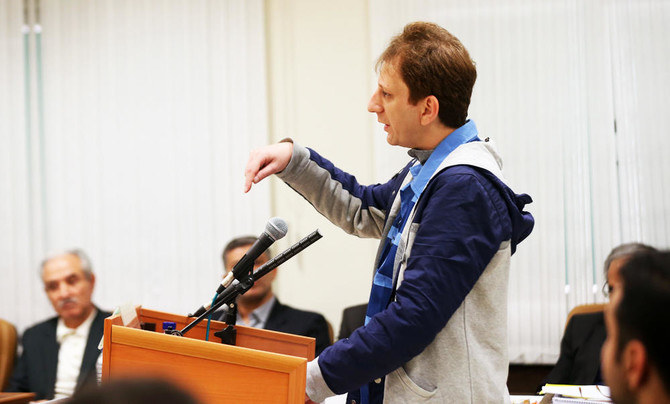
Iran commutes a tycoon’s death sentence to 20 years in prison

Short Url
https://arab.news/2m6sq
Iran commutes a tycoon’s death sentence to 20 years in prison
- Babak Zanjani was sentenced to death in 2016 over a number of charges
- An appeal for amnesty by Zanjani was reviewed and his death sentence was “commuted to a 20-year prison term
Latest updates


© 2026 SAUDI RESEARCH & PUBLISHING COMPANY, All Rights Reserved And subject to Terms of Use Agreement.