JERUSALEM: France’s foreign minister called on Israel to make public its position on a proposal that he shared with it aimed at defusing tensions between Israel and Lebanon’s Iran-backed Hezbollah, as Paris tries to act as an intermediary between the foes.
Israel and Hezbollah have been engaged in escalating daily cross-border strikes over the past six months — in parallel with the war in Gaza — and their increasing range and sophistication has raised fears of a wider regional conflict.
The Shiite Muslim Hezbollah has amassed a formidable arsenal since a 2006 war with Israel and since October thousands of people on both sides of the border have been displaced by the clashes.
“I call on Israeli authorities to take a public position on these French plans that will enable us to move to the next stage,” Foreign Minister Stephane Sejourne said in an interview with Reuters on Tuesday.
Sejourne said earlier in the day that a number of modifications had been put forward to Israel after consultations in Lebanon earlier in the week.
“We have a relationship with Lebanon, 20,000 (French) citizens there and the war in 2006 was particularly dramatic for them,” he said ahead of a meeting with Israeli Foreign Minister Israel Katz in Jerusalem.
Sejourne was in Lebanon on Sunday where he met officials including politicians close to Hezbollah. French officials have reported progress in the responses from Lebanese authorities.
Sejourne said the basis of the proposals was to ensure UN Resolution 1701 from 2006, which called for non-state armed groups to quit south Lebanon and for Lebanon’s regular army to deploy there, was implemented.
Hezbollah has said it will not enter any concrete discussion until there is a ceasefire in Gaza, where the war between Israel and Palestinian Islamist militant group Hamas is in its seventh month.
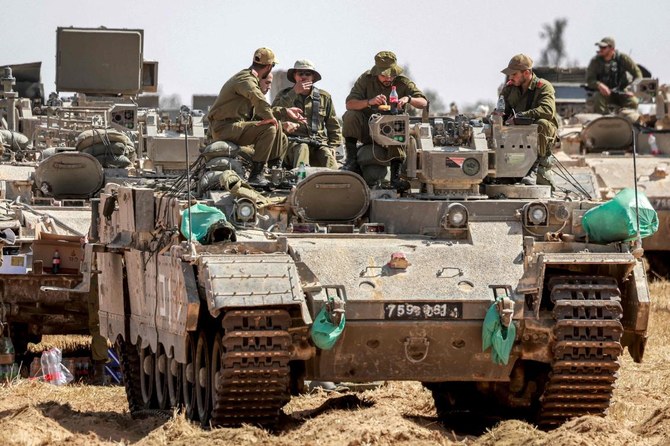
Israel has flagged a potential military operation along its northern front bordering Lebanon, saying it wants to restore calm there so thousands of Israelis can return to the area without fear of rocket attacks, even if Hezbollah has said it will not stop exchanges until there is a truce in Gaza.
France has historical ties with Lebanon, a large expatriate population in the country and some 700 troops as part of the UN peacekeeping force in the country’s south.
Earlier this year Sejourne presented a written proposal to both sides that entailed Hezbollah’s elite unit pulling back 10 km (6 miles) from the border and Israel halting strikes in southern Lebanon.
It also touched on longer-term border issues and was discussed with partners including the United States, which is making its own efforts to ease tensions and exerts the most influence on Israel.
Sejourne also met Israeli Prime Minister Benjamin Netanyahu at his office in Jerusalem as Western powers try to dissuade Israel from storming Gaza’s southern border city of Rafah as they step up efforts to broker an end to the devastating war.
Around a million Palestinians displaced by Israel’s invasion of Gaza since Hamas’ cross-border attack on Oct. 7 are sheltering in Rafah. Israel says Hamas’ last four intact combat battalions are holed up in Rafah as well.
“We can talk with Israel, but it has to hear things and that means opening more
humanitarian points
(in Gaza) and hearing our hostility toward an offensive in Rafah under these conditions,” Sejourne said, adding the focus should be on finalizing a truce.
“We will need to think about the political options that would enable this truce to become long-term because there would be nothing worse than it lasting just a few hours, which would be a collective failure,” he said.


![]()

France asks Israel to make position public on Lebanon border proposals
Short Url
https://arab.news/rqvh7
France asks Israel to make position public on Lebanon border proposals
- “I call on Israeli authorities to take a public position on these French plans that will enable us to move to the next stage,” Foreign Minister Stephane Sejourne said
- He said earlier in the day that a number of modifications had been put forward to Israel after consultations in Lebanon earlier in the week


Latest updates


Recommended


© 2026 SAUDI RESEARCH & PUBLISHING COMPANY, All Rights Reserved And subject to Terms of Use Agreement.