IMF approves $1.1 billion funding for Pakistan

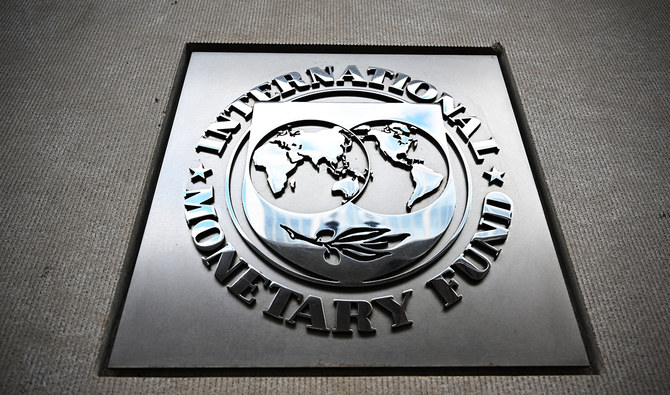
The seal of the International Monetary Fund is at the headquarters building in Washington, DC, April 12, 2024. (AFP/File)
Short Url
Updated 29 April 2024
Follow

IMF approves $1.1 billion funding for Pakistan

  • The funding is the final tranche of a $3 billion standby arrangement Islamabad secured last year
  • Islamabad is now seeking a new, larger long-term Extended Fund Facility agreement with the IMF

ISLAMABAD: The executive board of the International Monetary Fund approved $1.1 billion in funding for Pakistan on Monday, the agency said in a statement, amid discussions for a new loan.

The funding is the second and last tranche of a $3 billion standby arrangement with the IMF, which Islamabad secured last summer to help avert a sovereign default.

The approval came a day after Pakistan Prime Minister Shehbaz Sharif discussed a new loan program with IMF Managing Director Kristalina Georgieva on the sidelines of the World Economic Forum in Riyadh.

Islamabad is seeking a new, larger long-term Extended Fund Facility (EFF) agreement with the fund after the current standby arrangement expires this month. Pakistan’s Finance Minister, Muhammad Aurangzeb, has said Islamabad could secure a staff-level agreement on the new program by early July.

Islamabad says it is seeking a loan over at least three years to help achieve macroeconomic stability and execute long-overdue and painful structural reforms.

Aurangzeb has declined to give details on the amount the country is seeking.

Islamabad is yet to make a formal request, but the Fund and the government are already in discussions.

If secured, it would be Pakistan’s 24th IMF bailout.

The $350 billion economy faces a chronic balance of payments crisis, with nearly $24 billion to repay in debt and interest over the next fiscal year — three-time more than its central bank’s foreign currency reserves.


After mosque bombing, Islamabad intensifies patrols, surveillance during Ramadan prayers, iftar

Updated 7 sec ago
Follow

After mosque bombing, Islamabad intensifies patrols, surveillance during Ramadan prayers, iftar

  • Police chief orders enhanced screening at capital city’s entry and exit points after Feb. 6 blast
  • Safe City cameras to monitor Islamabad round the clock as special pre-iftar traffic plan enforced

ISLAMABAD: Police in the federal capital have been instructed to step up patrols, surveillance and checkpoint inspections during Ramadan prayers and iftar hours, an official statement said on Wednesday, as the city’s police chief chaired a security meeting following a deadly mosque bombing earlier this month.

Inspector General of Police Syed Ali Nasir Rizvi directed senior officers to ensure “foolproof security” across the city, with special focus on mosques during peak congregational times.

The meeting comes after a suicide bombing at a mosque on the outskirts of Islamabad on Feb. 6 that killed at least 32 people. The blast targeted the Qasr-e-Khadijatul Kubra mosque and imambargah during Friday prayers and was claimed by Daesh that said one of its militants detonated an explosive vest inside the congregation.

“All officers must ensure their presence in the field and properly brief personnel about their duties,” Rizvi said, according to a statement issued by the police.

“Strict security arrangements should be ensured at mosques, imambargahs and Ramadan bazaars,” he continued. “Special patrols should be conducted during Fajr, iftar and Taraweeh hours.”

The police chief said Safe City cameras would be used for round-the-clock effective monitoring across the capital.

In addition to security measures, he reviewed traffic arrangements and directed strict implementation of a special traffic plan during pre-iftar rush hours, calling for additional deployment on major roads and at commercial centers.

Islamabad, which has generally seen fewer large-scale militant attacks than some other parts of Pakistan, has faced sporadic security incidents in the past, prompting authorities to tighten monitoring during religious gatherings and other high-risk events.