- Israel has carried out operations against nuclear sites in the region before
- Israel accuses Iran of wanting to acquire an atomic bomb, something Tehran denies
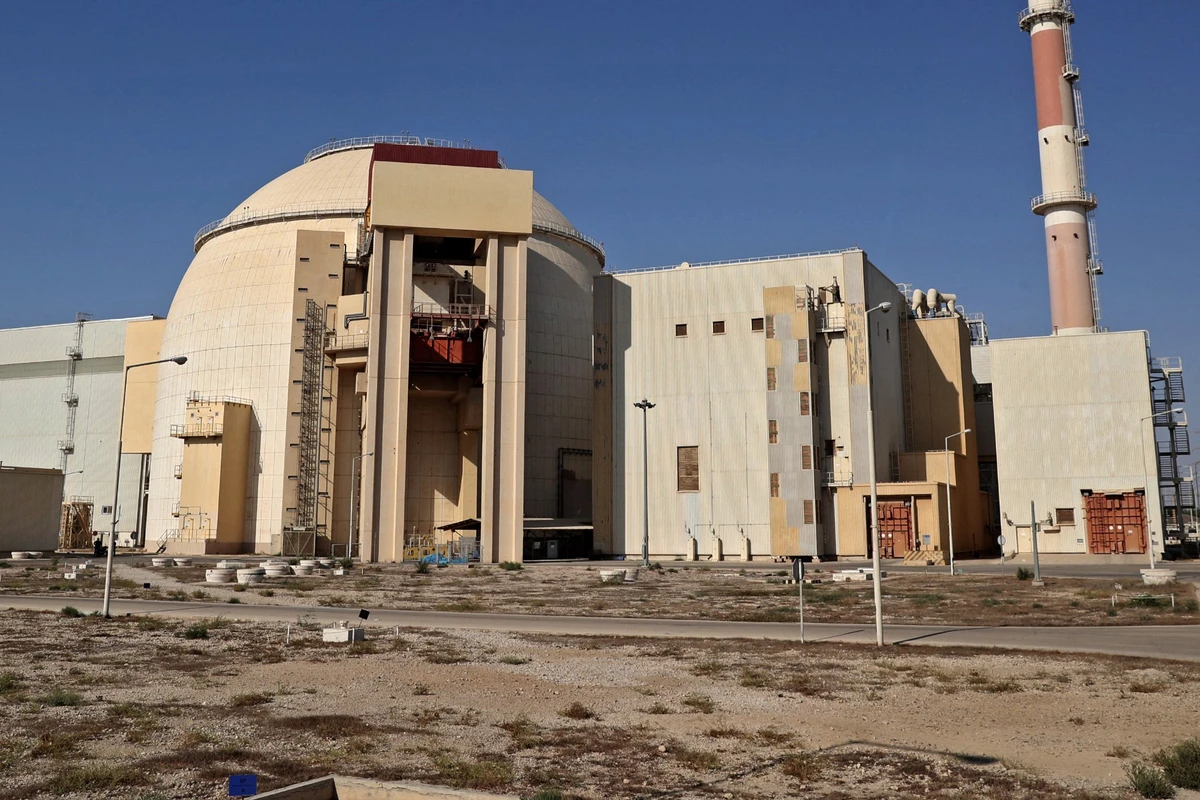
United Nations: Iran temporarily closed its nuclear facilities over “security considerations” in the wake of its massive missile and drone attack on Israel over the weekend, the head of the UN’s atomic watchdog said Monday.
Speaking to journalists on the sidelines of a UN Security Council meeting, International Atomic Energy Agency (IAEA) chief Rafael Grossi was asked whether he was concerned about the possibility of an Israeli strike on an Iranian nuclear facility in retaliation for the attack.
“We are always concerned about this possibility. What I can tell you is that our inspectors in Iran were informed by the Iranian government that yesterday (Sunday), all the nuclear facilities that we are inspecting every day would remain closed on security considerations,” he said.
The facilities were to reopen on Monday, Grossi said, but inspectors would not return until the following day.
“I decided to not let the inspectors return until we see that the situation is completely calm,” he added, while calling for “extreme restraint.”
Iran launched more than 300 drones and missiles at Israel overnight from Saturday into Sunday in retaliation for an air strike on a consular building in Damascus that killed seven of its Revolutionary Guards, two of them generals.
Israel and its allies shot down the vast majority of the weapons, and the attack caused only minor damage, but concerns about a potential Israeli reprisal have nevertheless stoked fears of all-out regional war.
Israel has carried out operations against nuclear sites in the region before.
In 1981, it bombed the Osirak nuclear reactor in Saddam Hussein’s Iraq, despite opposition from Washington. And in 2018, it admitted to having launched a top-secret air raid against a reactor in Syria 11 years prior.
Israel is also accused by Tehran of having assassinated two Iranian nuclear physicists in 2010, and of having kidnapped another the previous year.
Also in 2010, a sophisticated cyberattack using the Stuxnet virus, attributed by Tehran to Israel and the United States, led to a series of breakdowns in Iranian centrifuges used for uranium enrichment.
Israel accuses Iran of wanting to acquire an atomic bomb, something Tehran denies.