




JEDDAH: In the northern part of the Kingdom, the King Salman bin Abdulaziz Royal Reserve, which is recognized by BirdLife International, has strengthened its standing as one of the biggest and most important bird regions in the world through recent expansions.
The additions to the global bird sites within the reserve include the At-Turaif area, Harrat crater, Hail area, and Tabarjal. These areas, situated on major bird migration paths, are considered important protection areas.
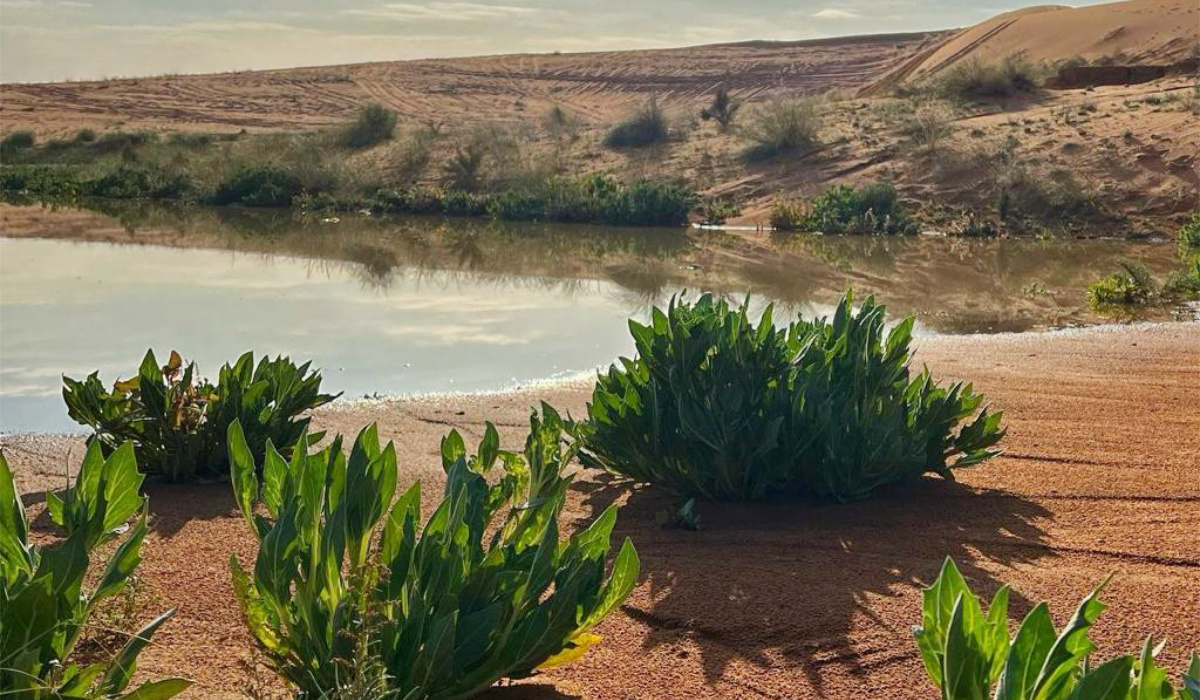
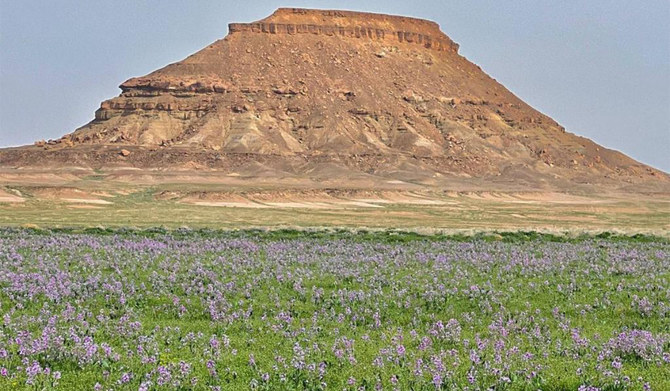
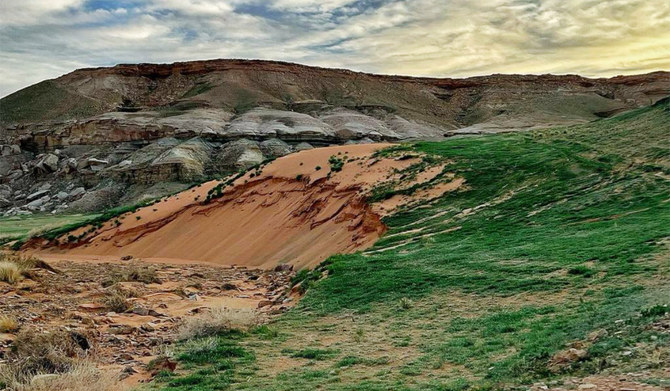
The reserve’s diverse terrain, including rocky environments, mountain slopes, and dunes, provides habitat for resident and migratory wildlife species. (Supplied)
Within the expansive boundaries of the reserve, a remarkable 290 species of wild birds have been recorded. An astonishing 88 percent of these are migratory, making a stop in the reserve, while 12 percent are resident.
FASTFACTS
• 58 percent of the total birds recorded in all regions of the Kingdom find refuge within the King Salman Royal Reserve, underscoring its importance for avian conservation efforts.
• The additions to the global bird sites within the reserve include the At-Turaif area, Harrat crater, Hail area, and Tabarjal.
Notably, 58 percent of the total birds recorded in all regions of the Kingdom find refuge within the reserve, underscoring its importance for avian conservation efforts. Alarmingly, 25 species among them are listed on the Red List of Threatened Species.
A jewel in the crown
At the heart of the reserve lies Al-Khunfah Natural Reserve, spanning more than 20,000 sq km on the edge of the Nafud desert. Designated as a natural reserve in 1987, Al-Khunfah boasts a natural landscape characterized by sedimentary formations and sandstone, displaying a diverse color palette ranging from dark brown to white, with shades of gray and light brown.
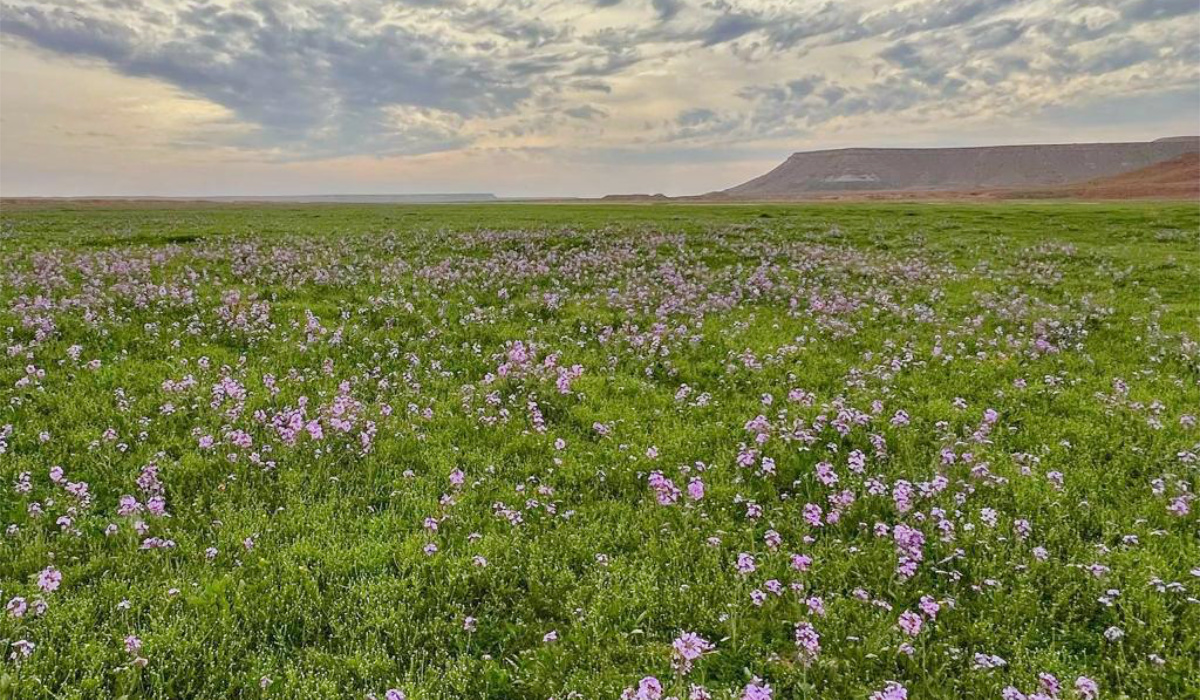
The reserve’s diverse terrain, including rocky environments, mountain slopes, and dunes, provides habitat for resident and migratory wildlife species. (Supplied)
The biodiversity within Al-Khunfah is spectacular, encompassing a variety of fungal, animal and plant species. Resident and migratory birds, including the houbara bustard and cranes, find sanctuary here, alongside trees such as arfaj, athel, arta, talh, harmal and lavender.
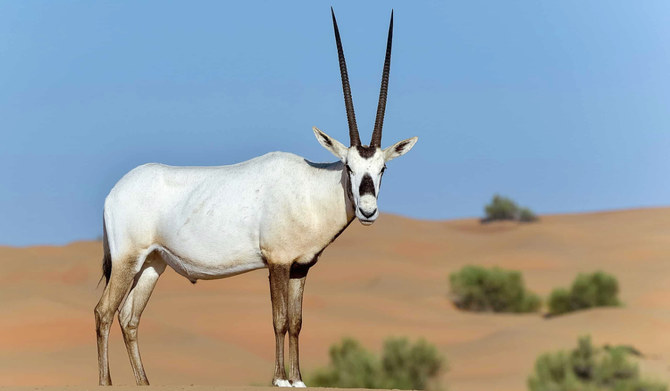
Fahd Al-Shawaier, director of communication and public relations at the King Salman bin Abdulaziz Royal Reserve Development Authority, told Arab News: “The diverse wildlife inhabiting the area is huge … Arabian oryx groups were recently released, and plans are underway to reintroduce species formerly present in the area.”
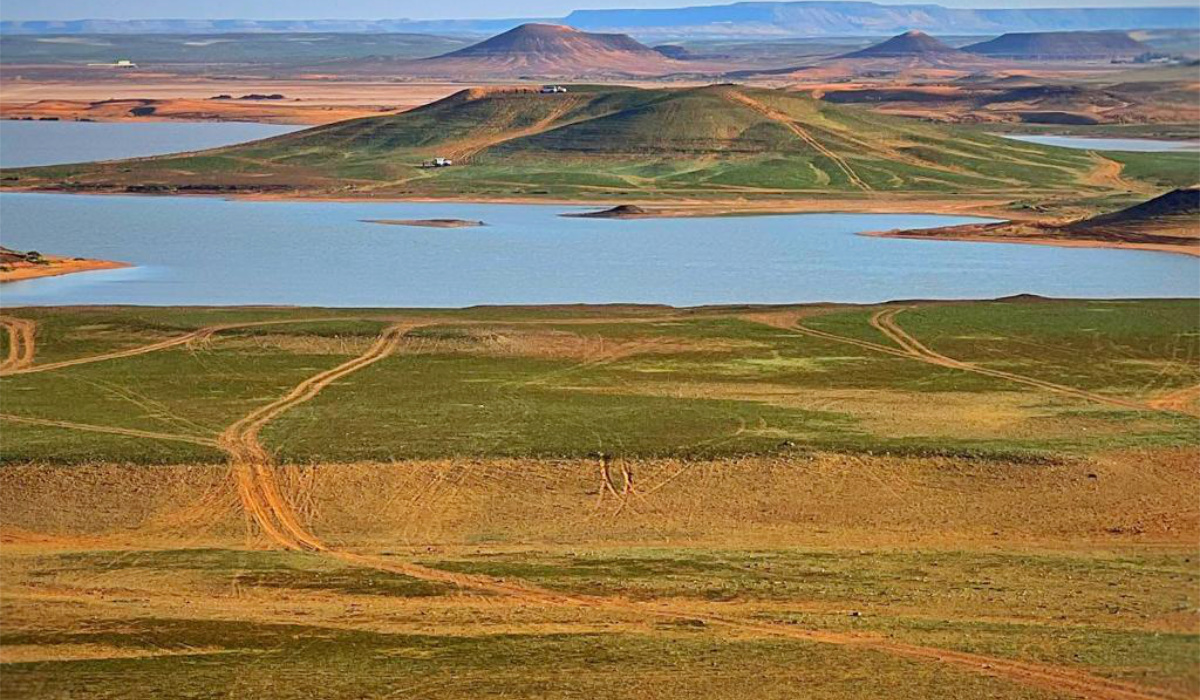
The reserve’s diverse terrain, including rocky environments, mountain slopes, and dunes, provides habitat for resident and migratory wildlife species. (Supplied)
These efforts aim to restore degraded ecosystems.
Al-Khunfah does not merely house avian wonders; it hosts various reptile species, as well as rabbits and foxes. From the majestic Arabian wolf, sand cat, wild cat, and the false cobra to the elusive desert warbler, wild rabbit and desert hedgehog, the reserve is home to many species.
NUMBER
290
A remarkable 290 species of wild birds have been recorded within the expansive boundaries of the King Salman Royal Reserve.
The area is also inhabited by many resident bird species such as the Arabian partridge, greater hoopoe-lark, owl and long-legged buzzard, and migratory birds such as the steppe eagle, eastern imperial eagle, vulture and saker falcon.
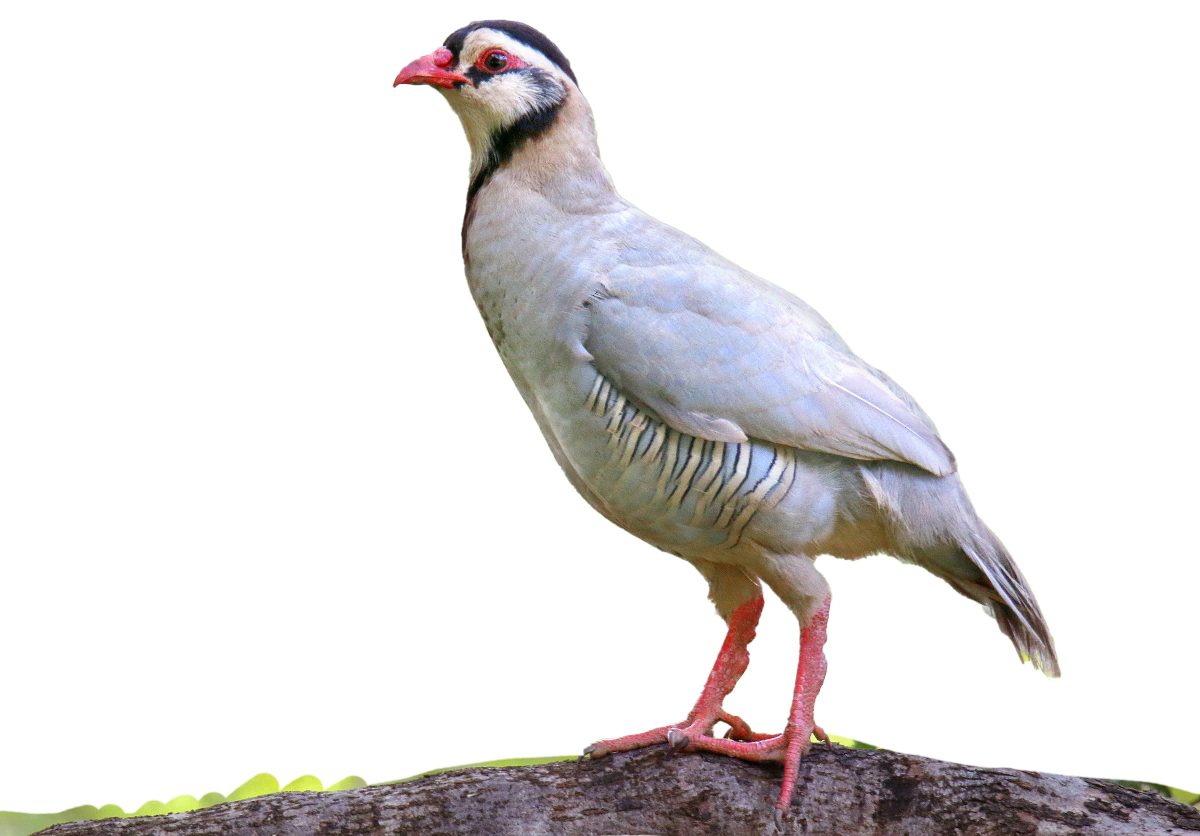
The reserve’s diverse terrain, including rocky environments, mountain slopes, and dunes, provides habitat for resident and migratory wildlife species. (Supplied)
Al-Khunfah hosts a variety of habitats for reptile species such as the desert warbler, lizard, frog-headed lizard and fringed-toed lizard, among others.
There is one rabbit species in Al-Khunfah, the cape hare, and two fox species, the red fox and Ruppell’s fox, Al-Shawaier said.
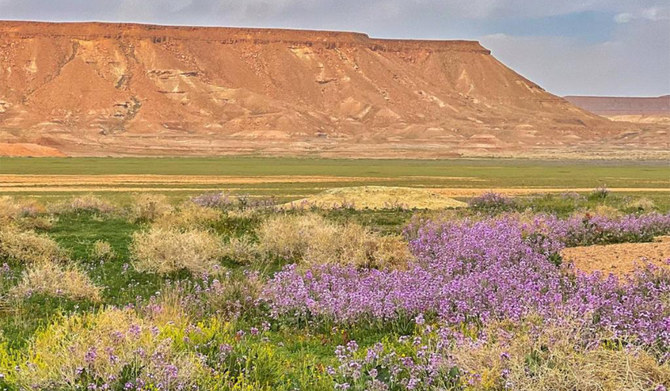
Al-Khunfah’s mountains and highlands showcase nature’s splendor across areas such as Bagheith, Al-Asmar, Anz, Abu Talihat, Dhaea, Al-Dhahakiya, and valleys such as Al-Fater, Niyal, Al-Saileh, Al-Aqeelah, Abu Mataya and Wadi Al-Mawrida. Seasonal rains, ranging from 50 to 100 mm, sustain the land, plants, trees and wildlife habitats.
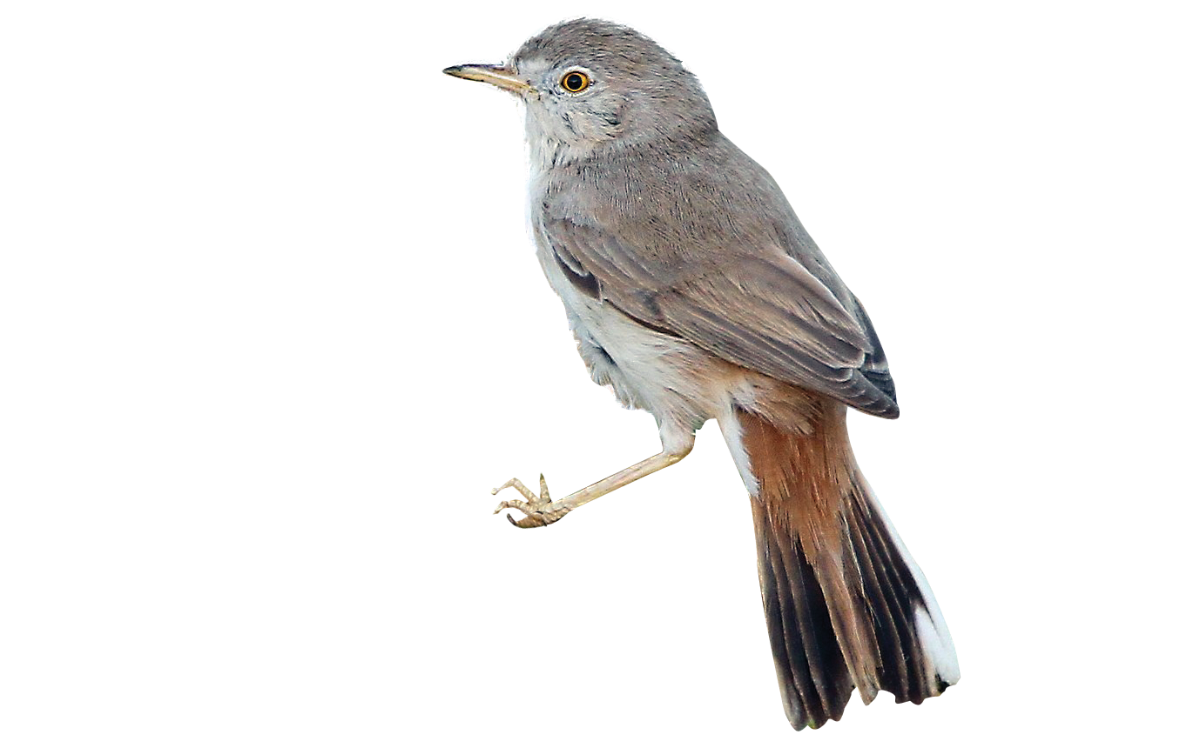
The reserve’s diverse terrain, including rocky environments, mountain slopes, and dunes, provides habitat for resident and migratory wildlife species. (Supplied)
The reserve’s diverse terrain, including sandy and rocky environments, plains, mountain slopes and dunes, provides habitats for resident and migratory wildlife species.
While seasonal rains are crucial for plant growth and diversity, flooding resulting from these rains can pose challenges to certain plant species.
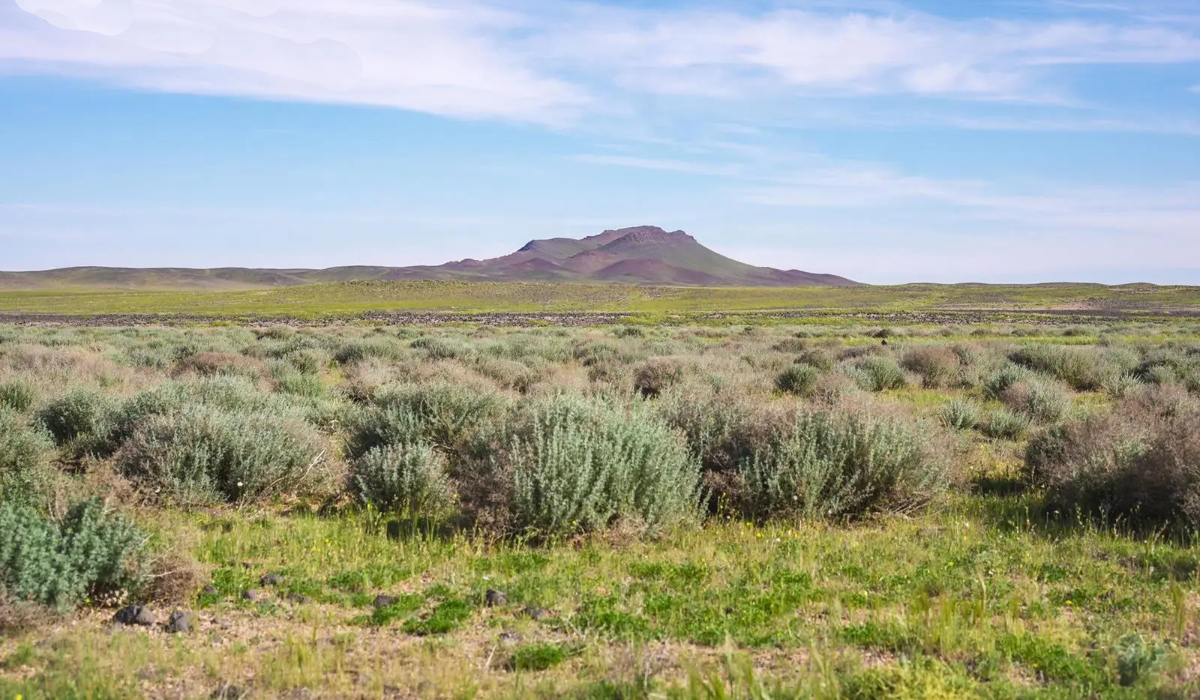
The reserve’s diverse terrain, including rocky environments, mountain slopes, and dunes, provides habitat for resident and migratory wildlife species. (SPA)
The rains work to rejuvenate soil fertility and improve its composition, contributing to the creation of an ideal environment for the growth of plant species, including annual herbs (which are aided by the rains to complete their life cycle), as well as the flourishing of trees, shrubs and perennial herbs during the rainy season, which enhances plant diversity in the area, Al-Shawaier said.
“However, it should be noted that floods resulting from these rains can negatively affect plants, especially those that do not tolerate continuous water immersion,” he said.
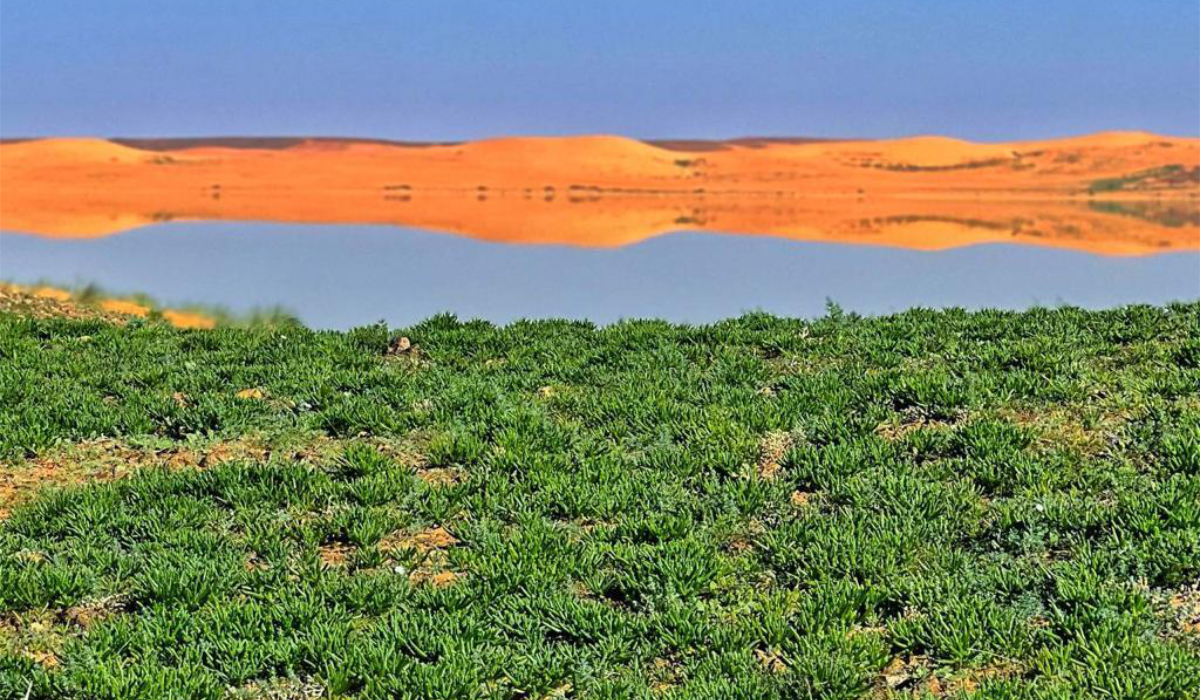
The reserve’s diverse terrain, including rocky environments, mountain slopes, and dunes, provides habitat for resident and migratory wildlife species. (Supplied)
Temporary basins are formed, supplying resident and migratory wildlife with their water needs while the basins last.
Al-Shawaier said that the reserve has implemented various programs, initiatives and projects, including surveying and monitoring wildlife, reintroduction programs, post-release monitoring, and initiatives to maintain vegetation cover and habitats.
These efforts are crucial for meeting conservation targets and ensuring the long-term sustainability of this ecological haven.


