- Lawmakers dragged their feet for months over the new law, and it is expected to be unpopular
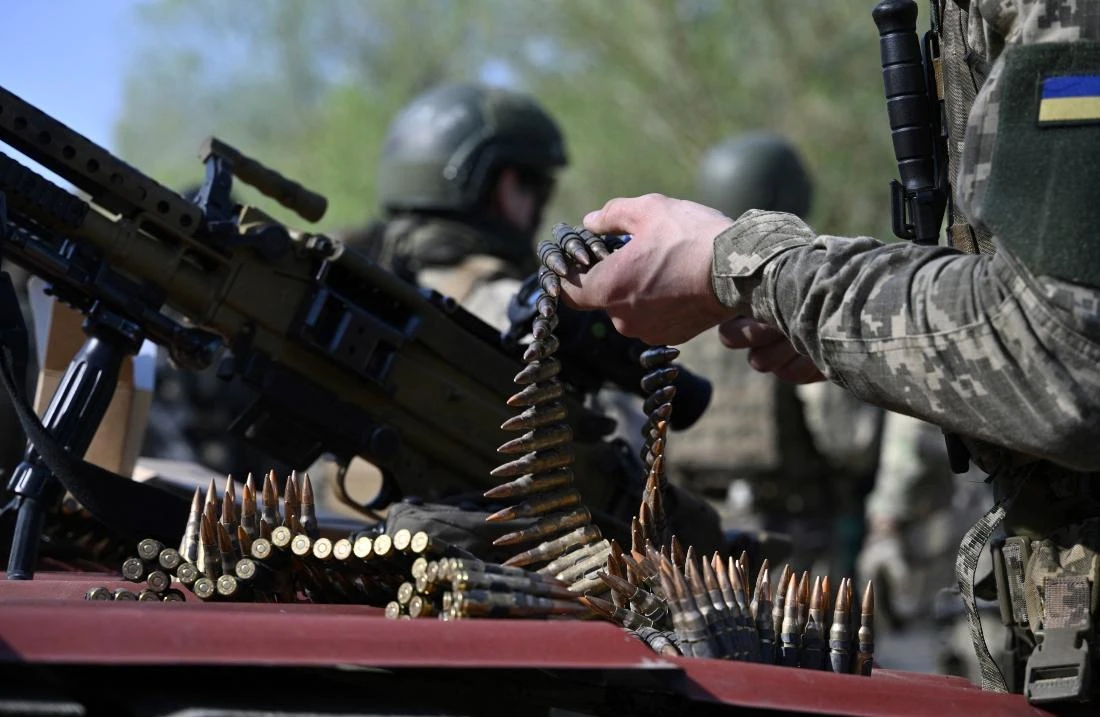
- With Russia increasingly seizing the initiative, the law came in response to a request from Ukraine’s military, which wants to mobilize up to 500,000 more troops
KYIV, Ukraine: Ukraine’s parliament passed a controversial law Thursday that will govern how the country recruits new soldiers to replenish depleted forces who are increasingly struggling to fend off Russian troops.
Two years after Russia’s full-scale invasion captured nearly a quarter of the country, the stakes could not be higher for Kyiv. After a string of victories in the first year of the war, fortunes have turned for the Ukrainian military, which is dug in, outgunned and outnumbered. Troops are beset by shortages in soldiers and ammunition, as well as doubts about the supply of Western aid.
Lawmakers dragged their feet for months over the new law, and it is expected to be unpopular. It comes about a week after Ukraine lowered the draft-eligible age for men from 27 to 25.
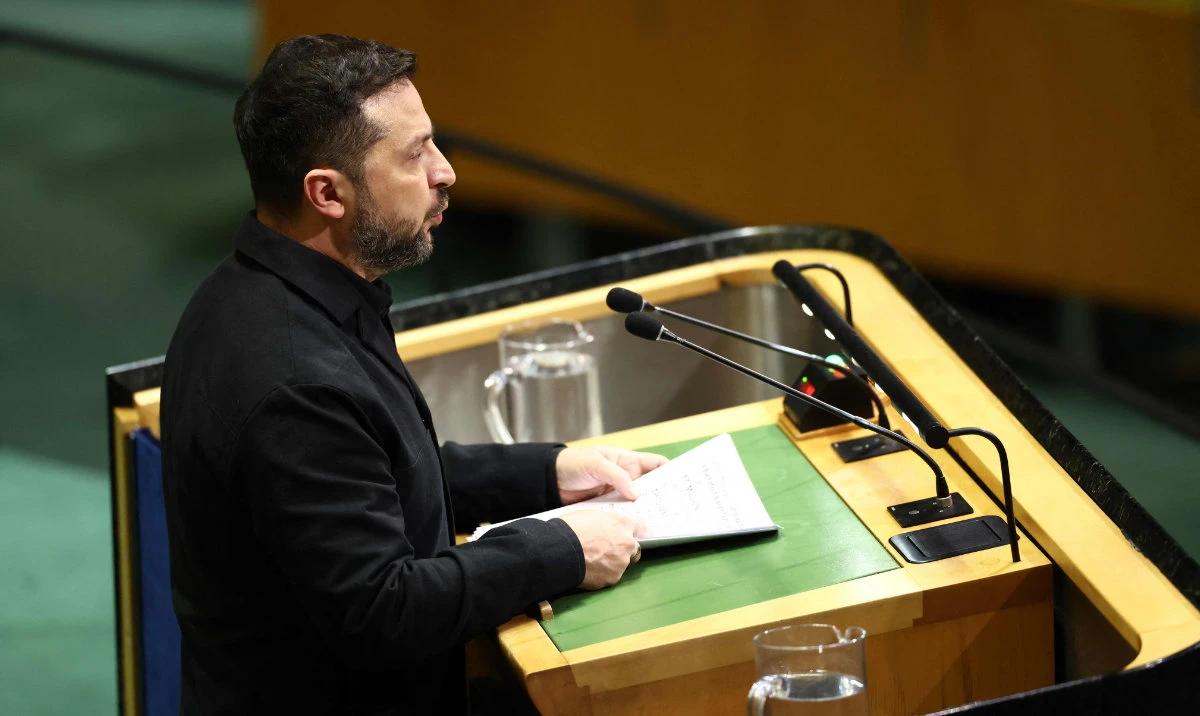
The law will become effective a month after President Volodymyr Zelensky signs it — and it was not clear when he would. It took him months to sign the law reducing conscription age.
It was passed Thursday against a backdrop of an escalating Russian campaign that has devastated Ukraine’s energy infrastructure in recent weeks. Authorities said Russian overnight missile and drone attacks again struck infrastructure and power facilities across several regions and completely destroyed the Trypilska thermal power plant, the largest power-generating facility in Kyiv region.
With Russia increasingly seizing the initiative, the law came in response to a request from Ukraine’s military, which wants to mobilize up to 500,000 more troops, Zelensky said in December. Incumbent army chief Oleksandr Syrskyi and Zelensky have since revised that figure down because soldiers can be rotated from the rear. But officials haven’t said how many are needed.
The law — which was watered down from its original form — will make it easier to identify every draft-eligible man in the country, where even in war many have dodged conscription by avoiding contact with authorities.
But it’s unclear that Ukraine, with its ongoing ammunition shortages, has the ability to arm large numbers of recruits without a fresh injection of Western aid.
Earlier this month, Volodymyr Fesenko, an analyst at the Center for Applied Political Studies Penta, said the law is crucial for Ukraine’s ability to keep up the fight against Russia, even though it is painful for Ukrainian society.
“A large part of the people do not want their loved ones to go to the front, but at the same time they want Ukraine to win,” he said.
Thursday’s vote came after the parliamentary defense committee removed a key provision from the bill that would rotate out troops who served 36 months of combat — a key promise of the Ukrainian leadership. Lawmaker Oleksii Honcharenko said in a Telegram post that he was shocked by the move to remove the provision.
The committee instructed the Defense Ministry to draft a separate bill on demobilization within several months, news reports cited ministry spokesperson Dmytro Lazutkin as saying.
Exhausted soldiers, on the front lines since Russia invaded in February 2022, have no means of rotating out for rest. But considering the scale and intensity of the war against Russia, coming up with a system of rest will prove difficult to implement.
Ukraine already suffers from a lack of trained recruits capable of fighting, and demobilizing soldiers on the front lines now would deprive Ukrainian forces of their most capable fighters.
In nighttime missile and drone attacks, at least 10 of the strikes damaged energy infrastructure in Kharkiv, Ukraine’s second-largest city. Ukrainian Foreign Minister Dmytro Kuleba said more than 200,000 people in the region were without power and Russia “is trying to destroy Kharkiv’s infrastructure and leave the city in darkness.”
Ukraine’s leaders have pleaded for more air defense systems — aid that has been slow in coming.
Four people were killed and five injured in an attack on the city of Mykolaiv on Thursday, the regional governor, Vitalii Kim, said. In the Odesa region, four people were killed and 14 injured in Russian missile strikes Wednesday evening, said Gov. Oleh Kiper.
Energy facilities were also hit in the Zaporizhzhia and Lviv regions.