HARARE: A makeshift ferry sank off Mozambique’s northern coast on Sunday, killing more than 90 people including children, local media reported.
The overcrowded boat was carrying 130 people and many of those who drowned were children, according to TV Diário Nampula, a local online outlet. The boat was operating between Lunga and the Island of Mozambique in Nampula province in the north of the country when it capsized, the report said.
Rescue efforts continued on Monday, as people were still reportedly missing.
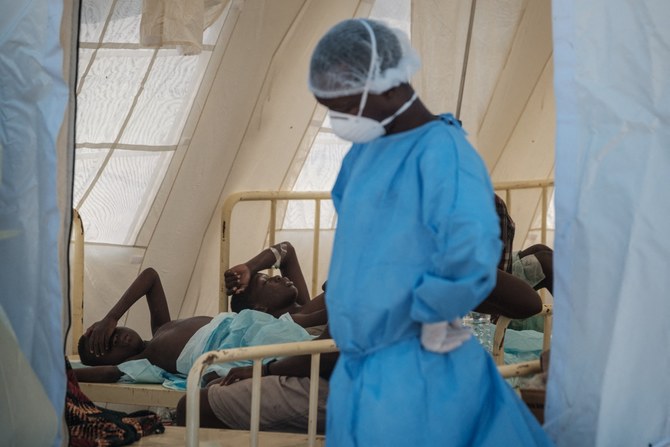
Some people had been traveling to attend a fair while others were trying to “flee from Lunga to the Island of Mozambique for fear of being contaminated by cholera, which has affected that region in recent days,” TV Diário Nampula reported.
Other news reports quoted Jaime Neto, the secretary of state in Nampula province, as saying that misinformation about an alleged cholera outbreak caused people to panic and board the boat, which ordinarily serves as a fishing vessel, in an attempt to flee.
Mozambique and neighboring southern African countries Zimbabwe and Malawi have in recent months been affected by a deadly cholera outbreak that authorities are battling to contain.
Many areas of Mozambique are only accessible by boats, which are often overcrowded. The country has a poor road network and some areas are unreachable by land or air.

Mozambique ferry accident leaves more than 90 people dead including children, local media say
https://arab.news/6thcv
Mozambique ferry accident leaves more than 90 people dead including children, local media say
- They were fleeing a cholera outbreak
UN experts concerned by treatment of Palestine Action-linked hunger strikers
- Eight prisoners awaiting trial for alleged offences connected to the group have taken part in the protest
LONDON: UN human rights experts have raised concerns about the treatment of prisoners linked to Palestine Action who have been on hunger strike while on remand, warning it may breach the UK’s international human rights obligations.
Eight prisoners awaiting trial for alleged offences connected to the group have taken part in the protest, reported The Guardian on Friday.
Among them are Qesser Zuhrah and Amu Gib, who were on hunger strike at HMP Bronzefield from Nov. 2 to Dec. 23, and Heba Muraisi, held at HMP New Hall. Others include Teuta Hoxha, Kamran Ahmed and Lewie Chiaramello, who has refused food on alternate days due to diabetes.
Zuhrah and Gib temporarily resumed eating this week because of deteriorating health but said they plan to resume the hunger strike next year, according to Prisoners for Palestine.
In a statement issued on Friday, UN special rapporteurs, including Gina Romero and Francesca Albanese, said the handling of the prisoners was alarming.
“Hunger strike is often a measure of last resort by people who believe that their rights to protest and effective remedy have been exhausted. The state’s duty of care toward hunger strikers is heightened, not diminished,” they said.
Three of the prisoners were in hospital at the same time on Sunday, with Ahmed admitted on three occasions since the hunger strike began.
The experts said: “Authorities must ensure timely access to emergency and hospital care when clinically indicated, refrain from actions that may amount to pressure or retaliation, and respect medical ethics.”
Prisoners for Palestine has alleged that prison staff initially denied ambulance access for Zuhrah during a medical emergency last week, with hospital treatment only provided after protesters gathered outside the prison.
“These reports raise serious questions about compliance with international human rights law and standards, including obligations to protect life and prevent cruel, inhuman or degrading treatment,” the experts said, adding: “Preventable deaths in custody are never acceptable. The state bears full responsibility for the lives and wellbeing of those it detains. Urgent action is required now.”
Families and supporters have called for a meeting with Justice Secretary David Lammy, while lawyers claim the Ministry of Justice has failed to follow its own policy on handling hunger strikes.
Government officials are understood to be concerned about the prisoners’ condition but cautious about setting a wider precedent.


