- US and British forces have responded with strikes against the Houthis, who have since declared American and British interests to be legitimate targets as well
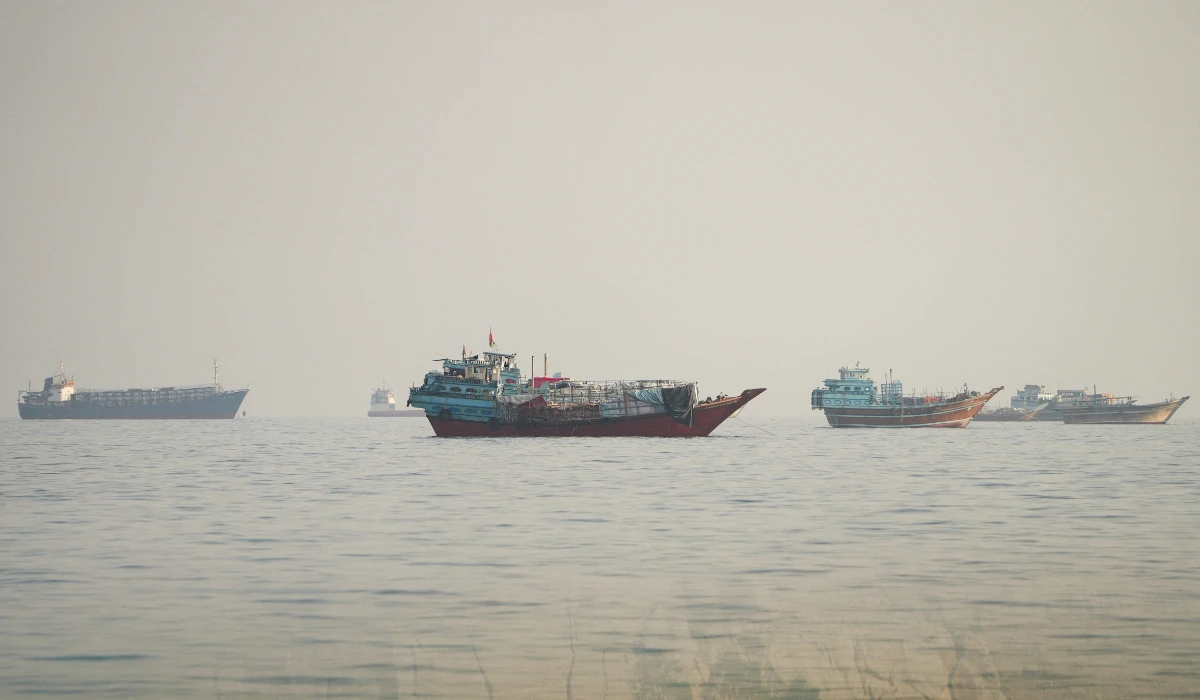
AL-MUKALLA: The US Central Command said that its forces shot down on Wednesday four drones launched by Yemen’s Houthi militia from areas under their control, the latest in a barrage of Houthi missiles and drones aimed at international ships in the Red Sea.
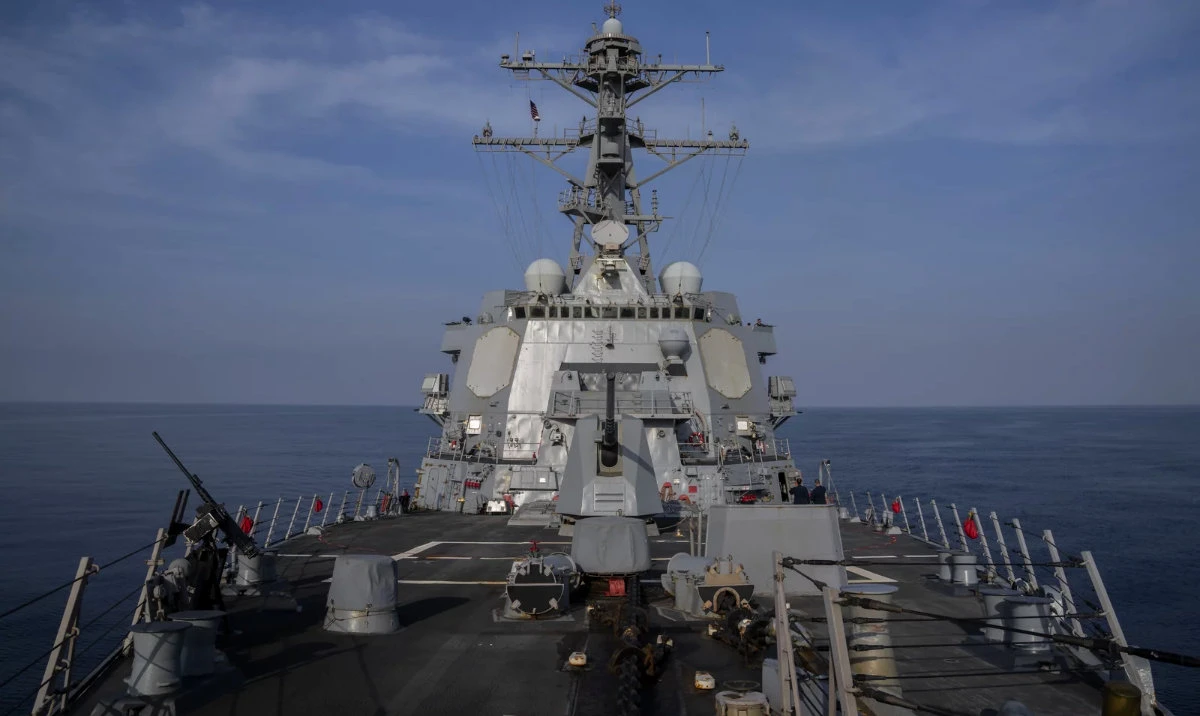
The Houthis fired on Wednesday morning four long-range unmanned aerial systems at a US warship in the Red Sea, but they were intercepted by the US Navy ships and failed to strike their objective, according to a US military statement.
“It was determined these weapons presented an imminent threat to merchant vessels and US Navy ships in the region,” CENTCOM said.
The Houthis did not claim responsibility for the drone strike, but they often take credit hours or days later.
Since November, the Houthis have seized a commercial ship and fired hundreds of ballistic missiles, drones and remotely controlled boats at international commercial and naval ships in the Red Sea, Bab Al-Mandab Strait and the Gulf of Aden, claiming to be acting in support of the Palestinian people.
Meanwhile, Yemeni government authorities, activists and local media said that a prisoner died on Tuesday inside a Houthi detention facility in the central province of Dhamar, only one day after another prisoner died in another Houthi-held jail in Sanaa.
The family of Khaled Hussein Ghazi, who was jailed in a civil dispute in Dhamar city a year ago, received a call from Houthi security officials telling them of his death and requesting that they retrieve his remains.
Abdurrahman Barman, a Yemeni human rights activist and director of the American Center for Justice, told Arab News that a Houthi chief prosecutor ordered Ghazi’s release a year ago, but another Houthi judge refused, leaving him to die inside the Central Security prison in Dhamar.
“If he had been freed a year ago, he would have been in better health and back at home with his children,” Barman said.
Musawaah, a human rights group, said that Ghazi’s family found torture signs on his body as well as a knife wound on his neck — and that the group had recorded the deaths of 14 individuals in Houthi jails in Dhamar in recent years.
Sabri Al-Hakimi, a senior educationist at the Ministry of Education, died on Monday in a Security and Intelligence jail in Sanaa controlled by the Houthis.
Al-Hakimi’s death has prompted campaigners and inmates’ families to urge the international community to put pressure on the Houthis to free prisoners, stop torturing them and improve prison conditions.
Yemen’s Minister of Information Moammar Al-Eryani said that Ghazi was the fourth confirmed case of a prisoner death inside Houthi detentions since the start of Ramadan on March 11.
He added that the Houthis tortured those prisoners, isolated them, and denied them life-saving medication and health care.
Despite widespread outrage and requests to explain fatalities in their detention facilities, the Houthis have neither acknowledged nor denied the deaths of captives.
According to relatives of several of the dead inmates, the Houthis informed them that they committed suicide while in jail.