What We Are Reading Today: A Very Private School

Photo/Supplied
Short Url
Updated 23 March 2024
Follow

What We Are Reading Today: A Very Private School

Author: Charles Spencer

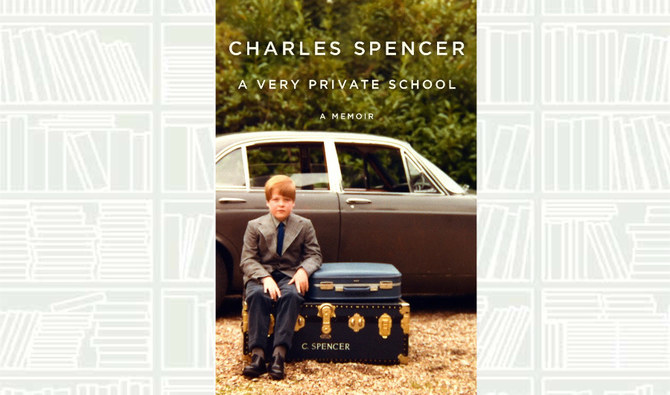
In this poignant memoir, Charles Spencer recounts the trauma of being sent away from home at age eight to attend boarding school.
“A Very Private School” offers a clear-eyed, first-hand account of a culture of cruelty at the school Spencer attended in his youth and provides important insights into an antiquated boarding system.
Drawing on the memories of many of his schoolboy contemporaries, as well as his own letters and diaries from the time, he reflects on the hopelessness and abandonment he felt at aged eight, viscerally describing the intense pain of homesickness and the appalling inescapability of it all.
Exploring the long-lasting impact of his experiences, Spencer presents a candid reckoning with his past and a reclamation of his childhood.
“A Very Private School” centres on Maidwell Hall in Northamptonshire, where Spencer went in the 1970s, between the ages of eight and 13.
Rather, like “Spare,” the tell-all autobiography released last year by Charles’s nephew Harry, this is a posh boy’s misery memoir.


What We Are Reading Today: The Power of Hope by Carol Graham

Updated 25 February 2026
Follow

What We Are Reading Today: The Power of Hope by Carol Graham

In a society marked by extreme inequality of income and opportunity, why should economists care about how people feel? The truth is that feelings of well-being are critical metrics that predict future life outcomes.

In this timely and innovative account, economist Carol Graham argues for the importance of hope—little studied in economics at present—as an independent dimension of well-being.

Given America’s current mental health crisis, thrown into stark relief by COVID, hope may be the most important measure of well-being, and researchers are tracking trends in hope as a key factor in understanding the rising numbers of “deaths of despair” and premature mortality.

Graham, an authority on the study of well-being, points to empirical evidence demonstrating that hope can improve people’s life outcomes and that despair can destroy them. These findings, she argues, merit deeper exploration.