RIYADH: Saudi Arabia’s Minister of Tourism Ahmed Al-Khateeb has issued instructions for an increase in inspections of tourist hospitality facilities, including hotels and serviced apartments, in Makkah and Madinah during the holy month of Ramadan.
This initiative is part of the “Our Guests are a Priority” campaign, which sets out to ensure adherence to the tourism system and its regulations while enhancing the quality of services offered to Umrah pilgrims.
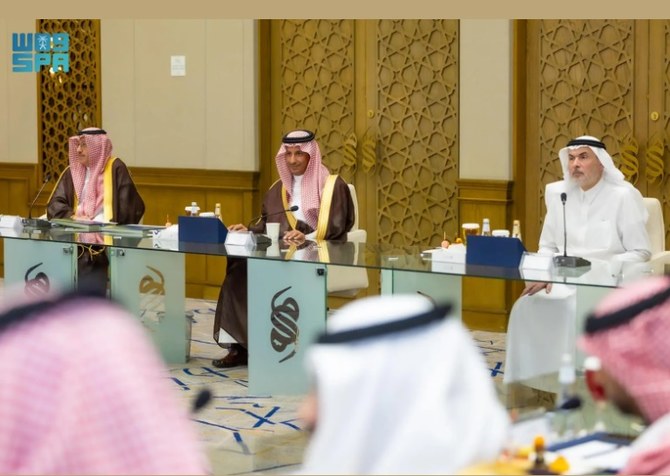
Accompanied by ministry officials, Al-Khateeb inspected tourist facilities in Makkah and Madinah, emphasizing the goals of the campaign.
At the beginning of the Umrah season in Ramadan, the ministry’s supervisory teams made at least 468 monitoring and inspection rounds in hospitality facilities in Makkah, uncovering more than 278 violations.
They also made at least 214 monitoring and inspection tours of facilities in Madinah, during which they identified more than 125 violations, the Saudi Press Agency reported.
Major violations included engaging in activities without a license, maintaining a low level of service, and neglecting proper maintenance. Additionally, there was a lack of commitment to announcing the price list of units and services in Arabic and English.
The supervisory and inspection tours are part of the Ministry of Tourism’s role in serving visitors and pilgrims, domestic and international. The goal is to provide high-quality services and to allow pilgrims to complete their rituals with ease and comfort.
Visitors and Umrah pilgrims are encouraged to share their feedback on services by contacting the Visitor Care Center on 930 or through the ministry’s official social media channels.


![]()

Tourism ministry steps up inspections of Makkah, Madinah facilities
Short Url
https://arab.news/6bm8z
Tourism ministry steps up inspections of Makkah, Madinah facilities
- This initiative is part of the “Our Guests are a Priority” campaign
- Al-Khateeb inspected tourist facilities in Makkah and Madinah, emphasizing the goals of the campaign


Latest updates


© 2026 SAUDI RESEARCH & PUBLISHING COMPANY, All Rights Reserved And subject to Terms of Use Agreement.