



QUETTA: Nine “terrorists” including three suicide bombers have been killed in an hours-long operation by security forces in southwestern Balochistan province, Pakistan Army’s media wing said on Tuesday, as hospital officials reported five civilians had also died.
The attacks were claimed by the Balochistan Liberation Army (BLA), separatist militants who simultaneously stormed the small towns of Mach and Kolpur with heavy weapons and rockets fired from the hills on Monday night.
Ethnic Baloch militants have battled the government for decades for a separate state, saying the central government unfairly exploits the province’s rich gas and mineral resources of Balochistan province, which borders Afghanistan and Iran.
The BLA is among a wide range of insurgents who often target gas projects, infrastructure and security posts there, but have begun launching attacks in other parts of Pakistan also. They also attack Chinese projects, and occasionally kill Chinese workers despite Pakistan’s assurances that it is doing all it can to protect Chinese projects in Balochistan and elsewhere in the country.
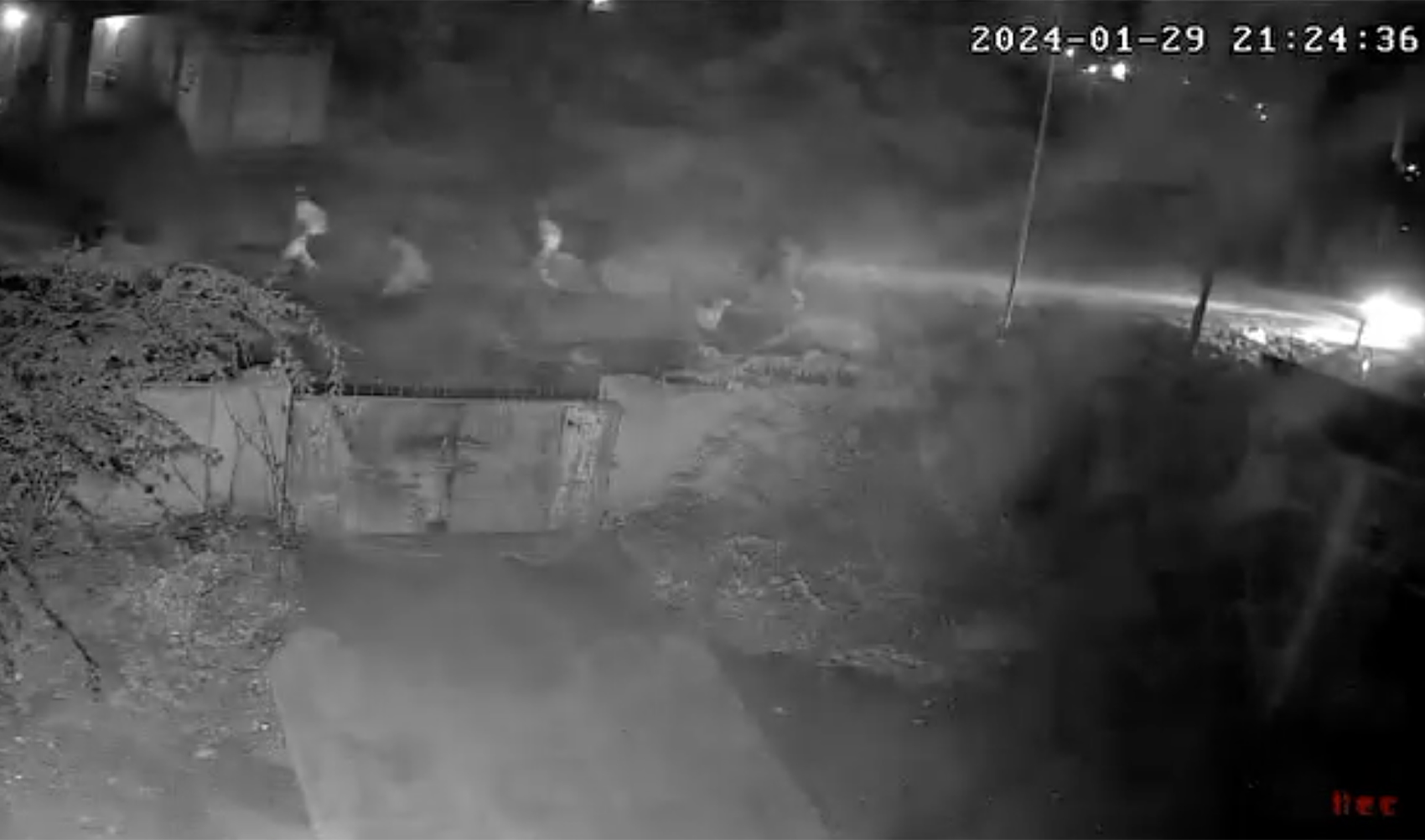
In the still image obtained from a video shared by an employee of Pakistan Telecommunications Company Ltd (PTCL) on January 29, 2024, shows Pakistani army soldiers at the blast site in Mach, Balochistan. (AN photo by Saadullah Akhter)
“Nine terrorists including three suicide bombers have been sent to hell till now and 3 were injured,” the Inter-Services Public Relations (ISPR) said in a statement.
“However, during an intense exchange of fire, four brave members of Law Enforcement Agencies, having fought gallantly, embraced Shahadat along with two innocent civilians.”
Separately, the medical superintendent of Mach Hospital, Dr. Sajjad Gumshadzai, told Arab News four dead bodies, including those of two policemen, were brought to the Civil Hospital Mach on Tuesday morning.
“There are reports of more bodies which are yet to be shifted to the hospital,” he added.
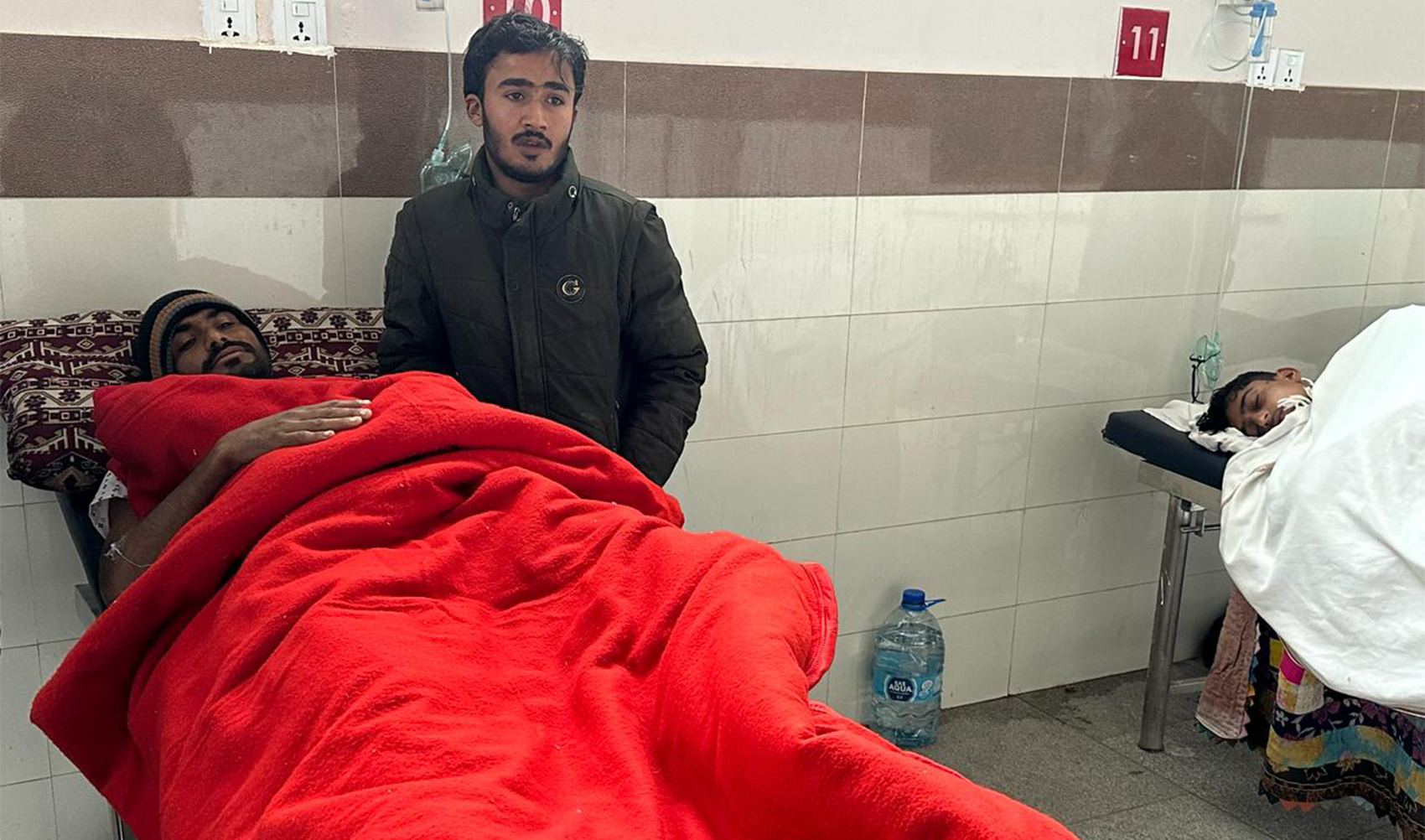
Injured victims from the Mach attacks are being treated at Civil Hospital in Quetta, Pakistan, on January 30, 2024. (AN photo by Saadullah Akhtar)
Spokesman for the provincial health department, Dr. Waseem Baig, said the body of a five-year-old child killed by a stray bullet in Kolpur, a town near Quetta, had been brought to the Nawab Ghosh Buksh Raisani Hospital in Mastung.
“One injured is being treated in Mastung and two of the injured of the Mach attack have arrived at Quetta’s Civil Hospital and are being treated and are now in stable condition,” Baig told Arab News.
“The government has declared an emergency in Quetta and directed the health staff to ensure their presence at the trauma center to provide quality treatment to the injured of the recent attack.”
The head of the Trauma Center Civil Hospital, Dr. Arbab Kamran Kasi, said 13 people injured in the Mach and Kolpur attacks had been referred to Quetta. Three had critical wounds.
Pakistani media widely reported that rockets had landed and exploded in at least three locations, including near a security forces camp close to Central Jail Mach, which houses 800 inmates, and the prison’s residential area.
Inspector General Prisons for Balochistan, Shuja Kasi, told Arab News four residential quarters in the prison’s staff colony in Mach had been damaged but there were no casualties.
Media also reported attacks on a police station in the Gokurt area.
In a statement emailed to media, the BLA said 45 Pakistani soldiers had been killed in a “combined operation by Baloch Liberation Army’s Majeed Brigade, Special Tactical Operations Fateh Squad and Intelligence Wing.” The group often exaggerates its attacks and the death toll exacted.
The latest attacks and subsequent armed operation led to the suspension of train services connecting the provincial capital of Quetta with the main cities of Lahore, Islamabad and Karachi.
Pakistan Railways canceled the Quetta-Peshawar bound Jaffar Express and Quetta-Karachi bound Bolan Express, which passes through the mountainous areas of Mach and Bolan.
The Mach attacks come less than two weeks after Pakistan and Iran exchanged tit-for-tat airstrikes aimed at what each called militant targets inside the other’s territory along their shared border in Pakistan’s Balochistan and Iran’s Iran’s Sistan-Baluchestan province.
The strikes, the highest-profile cross-border intrusions in recent years, raised alarm about wider instability in the Middle East region since the war between Israel and Hamas erupted on Oct. 7. Iran said the strikes in a border village on its territory killed nine people, including four children. Pakistan said the Iranian attack had killed two children.


