
Visitors to Saudi Arabia spend record $26.6bn in first 9 months of 2023

A visitor walks past a billboard at the Saudi Arabia stand at the International Tourism Trade Fair in Berlin on March 8, 2023. (AFP)
Short Url
Updated 02 January 2024
Follow

Visitors to Saudi Arabia spend record $26.6bn in first 9 months of 2023

  • Figure represents 53% increase on equivalent period of 2022

RIYADH: Spending by visitors to the Kingdom in the first three-quarters of last year rose to a record high of SR102.6 billion ($27.36 billion), according to data from the Saudi Central Bank.

The figure represents a 53 percent increase on tourist spending in the equivalent period of 2022, the Ministry of Tourism said in a post on X on Monday.

Outbound travelers from the Kingdom spent SR64.8 billion in the January to September period, creating a balance of payments surplus for the travel sector — inbound spending minus outbound spending — of SR37.8 billion, or 72 percent higher than it was for the same period of 2022.

According to a report by the UN’s World Tourism Organization, Saudi Arabia achieved one of the highest growth rates for inbound tourism among the G20 group of leading and developing nations in the first three-quarters of 2023.

The Kingdom’s tourism sector has rebounded well since the COVID-19 pandemic, with tourist destinations reporting increases in the number of both domestic and foreign visitors, the Saudi Press Agency reported.
Saudi factories and mines grow sharply in 2025, new licenses jump 23%

Updated 5 sec ago
Follow

Saudi factories and mines grow sharply in 2025, new licenses jump 23%

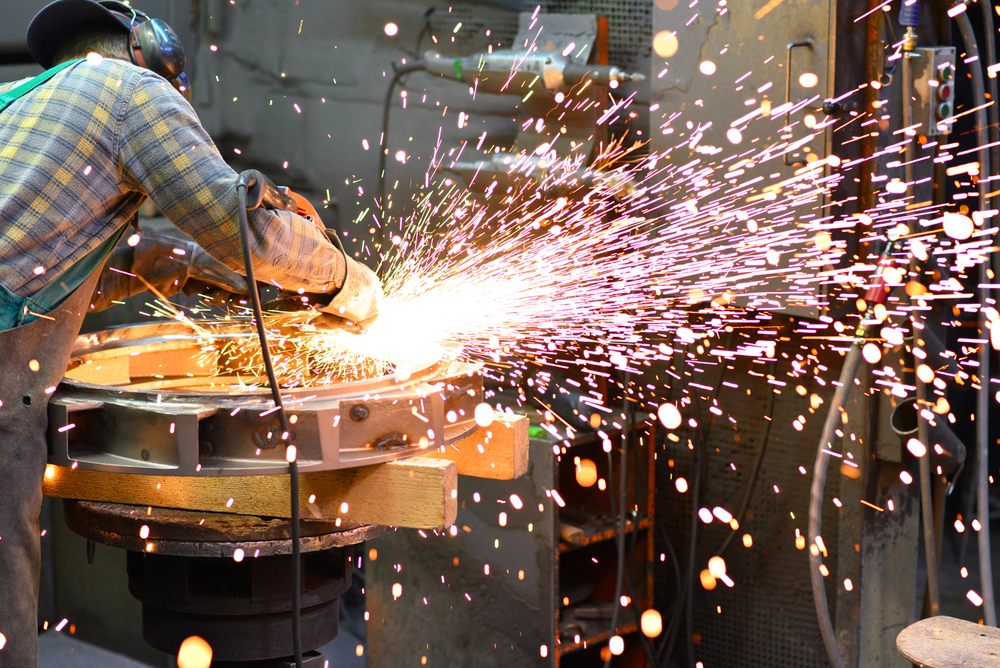
JEDDAH: Saudi Arabia’s industrial and mining sectors surged in 2025, with 23 percent more licenses being issued than in the previous 12 months, according to official figures.

The 1,660 permits signed off by the Ministry of Industry and Mineral Resources were worth more than SR76 billion ($20.52 billion), and are expected to create nearly 35,000 jobs, with the increase pointing to growing investor appetite across the Kingdom.

Factory activity also accelerated in 2025, with 1,201 facilities commencing operations, up 11.7 percent from 2024, generating more than SR31 billion in capital and creating over 45,000 jobs as the Kingdom’s manufacturing base continues to expand.

The developments support Saudi Arabia’s National Industrial Strategy, launched by Crown Prince Mohammed bin Salman in October 2022, that aims to drive sector growth and increase the number of factories in the Kingdom to 36,000 by 2035.

“This comes as part of the ministry’s ongoing efforts to achieve the objectives of Saudi Vision 2030, which aims to maximize the impact of industry and mining in diversifying the national economy,” the ministry’s release added.

The strategy focuses on 12 sub-sectors, targeting more than 800 investment opportunities worth SR1 trillion, striving toward tripling the industrial gross domestic product.

The ministry underlined that these indicators reflect its ongoing efforts to develop the mining sector, enhance its global competitiveness, and establish it as the third pillar of Saudi industry, while also highlighting the division’s rising attractiveness to investors.

The release explained that the ministry issued 736 new mining licenses in 2025, including 479 for exploration, 127 for building materials quarry, 61 for small mining and quarry exploitation, 52 for prospecting, and 17 surplus minerals.

By the end of 2025, the total number of active mining licenses in Saudi Arabia reached around 2,925, spanning numerous permit categories in the sector.

These included 1,553 for building materials quarry, 1,018 for exploration, 275 for small-scale mining and quarrying, 67 for prospecting, and 12 for surplus mineral licenses.

The Kingdom has become one of the fastest-growing mining investment environments globally, supported by rapid license issuance, investor incentives, and readily accessible electronic geological data.

Periodic bulletins for the industrial and mining sectors, issued by the National Industrial and Mining Information Center under the ministry, enhance transparency by providing investors and decision-makers with accurate, up-to-date data on licenses and sector developments.