ISLAMABAD: Pakistan Army’s top leadership on Thursday vowed to extend “requisite and necessary support” to Pakistan’s election regulator, a statement from the army’s media wing said, as the election commission gears up to hold national polls in the country amid a precarious security situation.
The Election Commission of Pakistan (ECP) will issue election symbols to political parties and candidates on Jan.13 before it oversees the polling exercise on Feb.8.
The election regulator earlier this month sought the deployment of Pakistan Army troops inside polling stations to ensure foolproof security arrangements. A senior ECP official had cited a shortfall of police personnel across the country to maintain law and order as the primary reason for the deployment.
“The Forum also noted that requisite and necessary support will also be extended to Election Commission of Pakistan (ECP) for forthcoming general elections,” the Inter-Services Public Relations (ISPR), the army’s media wing, said in a statement.
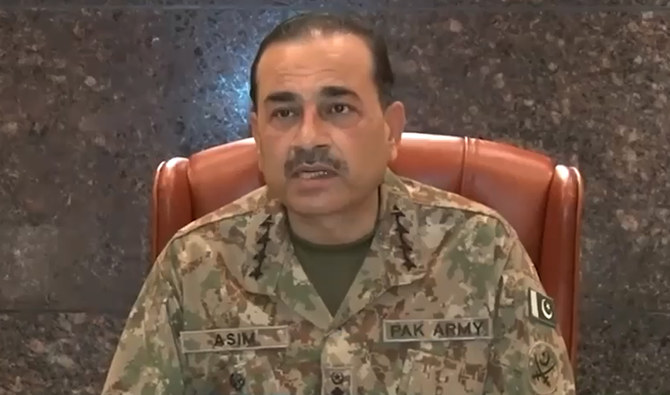
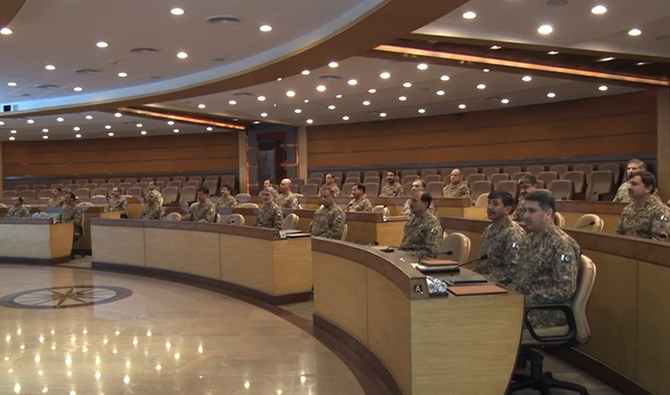
The statement came after Pakistan’s army chief General Syed Asim Munir presided over a two-day-long Corps Commanders’ Conference at the army headquarters in Rawalpindi. The army’s top brass held discussions on important defense and security matters during the conference.
The army also noted with concern the availability of sanctuaries and the latest weapons for “terrorists” in a neighboring country, the ISPR said, in what seemed to be an apparent reference to Afghanistan.
“The sanctuaries and liberty of action available to the terrorists of proscribed TTP and other groups of that ilk in a neighboring country and availability of latest weapons to the terrorists were noted as serious points of concern impacting security of Pakistan,” the ISPR said.
Pakistan’s ties with the Taliban-led administration in Afghanistan have been strained since August 20221, when the armed group seized power in Kabul. As attacks on Pakistan’s western regions bordering Afghanistan intensified, Islamabad demanded Kabul rein in militants it said were using Afghan soil to launch attacks on Pakistan.
Pakistani top officials, including Caretaker Prime Minister Anwaar-ul-Haq Kakar, have said US military equipment left behind during the American withdrawal from Afghanistan has made its way to the TTP, or the Pakistani Taliban.
The ISPR said the commanders resolved that all “terrorists,” their facilitators and abettors who were working at the behest of hostile forces to destabilize Pakistan, would be dealt with the “full might of the state.”
“Forum reiterated Pakistan Army’s resolve to defend the sovereignty and territorial integrity of Pakistan against direct and indirect threats,” the army’s media wing said.
The army leadership also condemned Israel’s military offensives in Gaza and pushed for a cease-fire in the Palestinian territories.
“The forum expressed full solidarity with the people of Palestine and condemned serious human rights violations and war crimes being perpetrated in Gaza,” the ISPR said.


![]()
![]()

Pakistan Army vows to extend ‘necessary’ support to election regulator for polls
Short Url
https://arab.news/nc2ss
Pakistan Army vows to extend ‘necessary’ support to election regulator for polls
- Pakistan’s army chief General Asim Syed Asim Munir presides over Corps Commanders’ Conference
- Pakistan’s election body this month sought deployment of army troops at polling stations for foolproof security
Latest updates


© 2026 SAUDI RESEARCH & PUBLISHING COMPANY, All Rights Reserved And subject to Terms of Use Agreement.