

Saudi Environment Ministry inks deal with AgriServ to strengthen agricultural support  

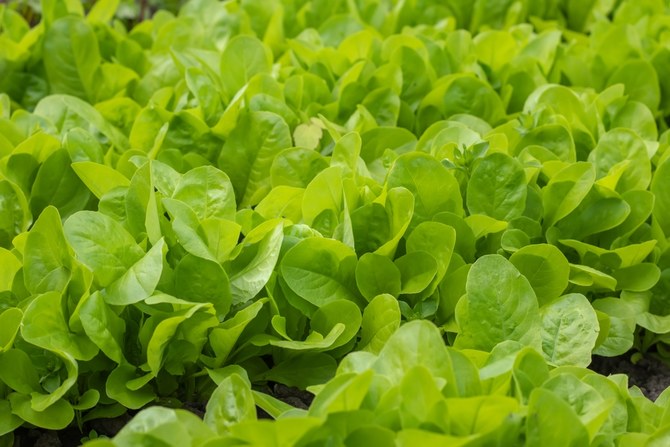
Established in 2018, AgriServ, wholly owned by the Saudi government, works to materialize the goals of the agricultural sector as outlined in Vision 2030.  Shutterstock
Short Url
Updated 27 December 2023
Follow

Saudi Environment Ministry inks deal with AgriServ to strengthen agricultural support  

RIYADH: Saudi Arabia’s agricultural sector is set to get monitoring support in improving its productivity thanks to a memorandum of understanding signed between two government agencies.  

According to the Saudi Press Agency, the Ministry of Environment, Water and Agriculture and National Co. for Agricultural Services, also known as AgriServ, signed an MoU to improve the quality of services provided to the beneficiaries of the farming sector.  

Established in 2018, AgriServ, wholly owned by the Saudi government, works to materialize the goals of the agricultural sector as outlined in Vision 2030.  

Under the agreement, the Environment Ministry will provide data, monitoring, compliance and coordination support to AgriServ’s operations.  

On the other hand, AgriServ will carry out all operational work for the services assigned to it within the agreed time plan.  

Promoting the agricultural sector is crucial for the Kingdom as it moves away from its dependence on oil and strengthens the nation’s food security.  

On Sept. 5, Saudi Arabia’s Agricultural Development Fund launched a new financial product to support sustainable rural farm operations.  

The initiative aims to develop farms by diversifying their income sources, ensuring long-term sustainability, and capitalizing on unique rural opportunities.  

The fund is also expected to preserve local ecosystems and foster environmental and rural tourism.  

The strategy of this fund also includes providing financial support to existing and productive agricultural businesses, covering their investment and operational expenses.  

In July, ADF signed financing contracts worth SR926 million ($246.8 million) in the feed industry, animal production and dairy sectors.  

These contracts aim to support importing critical agricultural products, including maize, soybeans and barley, which are vital for sustaining the country’s food supply.  

These agreements encompassed a range of projects, including initiatives such as establishing an agricultural product marketing center, cold storage facilities, and a broiler and poultry farming project.    

According to a statement, the payouts were approved for small farmers involved in greenhouse vegetable production, poultry breeding and fish and shrimp farming.    

The statement added that refrigeration warehouses, date manufacturing and marketing centers also received financial support.    

The approval of these loans underlines the fund’s objective to boost its developmental and financing role for agricultural activity.    


Free trade negotiations between GCC, India mark new phase of partnership, says sec-gen

Updated 24 February 2026
Follow

Free trade negotiations between GCC, India mark new phase of partnership, says sec-gen

RIYADH: The Gulf Cooperation Council’s secretary-general affirmed that the negotiations for a free trade agreement between the GCC and India, and the signing of the joint statement, represents a new phase of strategic partnership.

Jasem Mohamed Al-Budaiwi said that this contributes to enhancing close cooperation and strengthening economic and trade ties, according to the Saudi Press Agency.

This came during the signing ceremony of the joint statement on launching the free trade agreement negotiations between the Al-Budaiwi and India’s Minister of Commerce and Industry, Piyush Goyal, which took place in New Delhi, on Tuesday.

During the signing ceremony, Al-Budaiwi said that the Terms of Reference, signed on Feb. 5, provide a comprehensive and clear framework for these negotiations. The two nations agreed to discuss enhancing cooperation in vital strategic areas, including trade in goods, customs procedures, and services.

Additionally, the framework covers Sanitary and Phytosanitary measures, intellectual property rights, cooperation on Micro, Small, and Medium Enterprises, along with other topics of mutual interest. This reflects the comprehensive nature of the agreement and its ability to keep pace with the future economy.

Al-Budaiwi expressed hope that these negotiations would lead to a comprehensive and ambitious free trade agreement that works to remove customs and non-customs barriers, enhance the flow of quality investments in both directions, and achieve further liberalization in trade and investment cooperation between the GCC and India for mutual benefit. 

This would provide a stimulating economic environment and an investment climate that opens broad horizons for the business sector, supports supply chains, and accelerates the pace of economic growth in line with the ambitious developmental visions of the GCC states. 

The top official affirmed the full readiness of the General Secretariat to host the first round of negotiations at its headquarters in Riyadh during the second half of this year.

The two sides held a meeting during which they reviewed the existing cooperation relations between the GCC and India and discussed ways to develop and elevate them to broader horizons, serving mutual interests and enhancing opportunities for strategic partnership between the two sides, particularly in the economic, investment, and trade fields.

They praised the role undertaken by the negotiating teams from both sides, appreciating the efforts contributing to reaching a comprehensive agreement that enhances economic integration and supports the smooth flow of trade between the two nations.