- Journalists, rights bodies have accused governments of cracking down on free speech, dissent on social media
- IT minister says NCCIA to replace FIA and prevent, investigate and prosecute cybercrimes in Pakistan
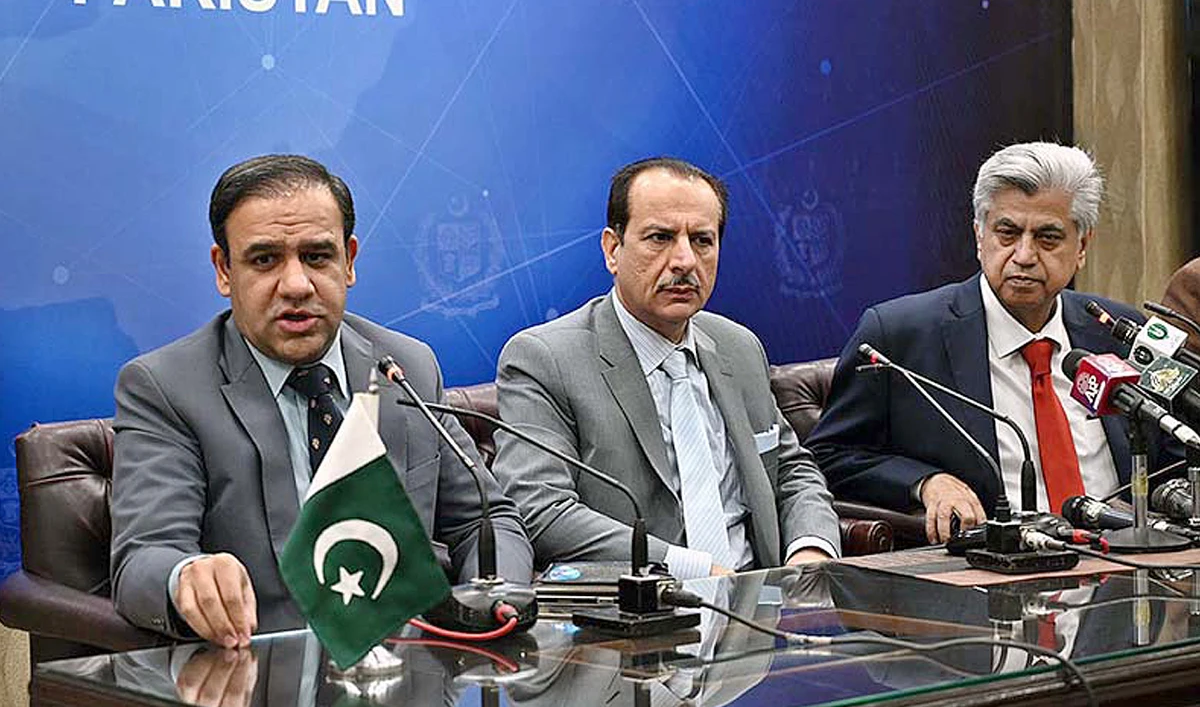
ISLAMABAD: The federal cabinet approved a “landmark” decision on Wednesday to set up a National Cyber Crime Investigation Agency (NCCIA), Pakistan’s Caretaker Information Technology Minister Dr. Umar Saif said, adding the body would replace the Federal Investigation Agency (FIA) in tackling cybercrimes.
Journalists and rights bodies have criticized successive Pakistani governments over the years, accusing them of gagging the press and political opponents by cracking down on free speech and dissent on social media via the FIA. On August 6, Pakistan’s Senate passed the Official Secrets (Amendment) Bill 2023 after the former government removed a clause that gave spy agencies the power to carry out raids or make arrests without warrants.
The legislation had been tabled amid growing criticism of military and intelligence officers by former prime minister Imran Khan and his deputies. Another amendment to the Pakistan Army Act, 1952, criminalized social media campaigns against the armed forces. It became law in August 2023.
An ordinance passed by Khan’s government in February 2022, amending Section 20 the Prevention of Electronic Crimes Act (PECA), 2016, sought to increase the jail term for defaming any person or institution on social media from two to five years. It was later scrapped by the Islamabad High Court on grounds of being “unconstitutional.”
“The cabinet today approved three landmark decisions for the IT and Telecom sector,” Saif wrote on social media platform X. He said establishing the NCCIA was one of the decisions approved by the cabinet, saying it would replace the FIA in tackling cybercrimes.
“This new agency will have the required expertise, funding and resources to prevent, investigate and prosecute cybercrimes in Pakistan,” he wrote.
The minister said the cabinet also approved the country’s first-ever National Space Policy, which would enable private sector companies to offer “affordable Internet services” while enabling increased investment in Pakistan’s national space program.
The third decision taken by the cabinet was to approve the establishment of a Telecom Tribunal to decide court cases and disputes in the telecom sector without delay, Saif said. The minister added that this decision would pave the way for spectrum availability for 5G in Pakistan.
The NCCIA has been set up as Pakistan braces for general election, due on Feb. 8. As the election date approaches, Pakistan’s rights bodies and Khan’s Pakistan Tehreek-e-Insaf (PTI) party have accused the powerful military and caretaker government of suppressing the rights of citizens. The caretaker administration and military have rejected the allegations.