

AlUla to set majestic stage for Drone Champions League Super Final

1 / 2
The Drone Champions League Super Final will be held in AlUla Old Town on Dec. 20 and will converge ‘technology, athleticism, and AlUla’s vision for sports and adventure.’ (Supplied)
2 / 2
The Drone Champions League Super Final will be held in AlUla Old Town on Dec. 20 and will converge ‘technology, athleticism, and AlUla’s vision for sports and adventure.’ (Supplied)
Short Url
Updated 09 December 2023
Follow

AlUla to set majestic stage for Drone Champions League Super Final

  • The Kingdom’s historic city will be first in GCC to host a major DCL event

JEDDAH: The Drone Champions League — billed as the “world championship for professional drone racing” — will hold its first Super Final in the heart of AlUla’s Old Town on Dec. 20.

AlUla will be the first location in the GCC to host a major DCL event, and although no physical drones will be flying there, the league said in a statement: “It will be a chance for drone sports enthusiasts to enjoy the stunning and diverse landscapes of AlUla, varying between golden canyons, lush green oasis or spectacular geological marvels.”

The league’s organizers describe it as a “global pioneer in professional virtual and real-life drone racing. With a mission to combine cutting-edge technology and stunning locations, it has created a one-of-a-kind racing series that has captivated millions around the world.”


The Drone Champions League Super Final will be held in AlUla Old Town on Dec. 20 and will converge ‘technology, athleticism, and AlUla’s vision for sports and adventure.’ (Supplied)

The DCL has rapidly gained popularity since its launch in 2016. Originally rooted in physical drone racing, DCL has evolved into a predominantly virtual format, blending hi-tec drones with the immersive world of gaming.

The annual DCL Drone Prix season features 10 teams. The competition reaches its climax with the top six teams engaging in split finals employing an elimination-style format, culminating in the DCL Super Final.

HIGHLIGHTS

• The annual DCL Drone Prix season features 10 teams.

• The league is exploring a return to real-life drone racing alongside virtual events.

The DCL has staged races in iconic locations worldwide, from the historic streets of Paris to the frozen landscapes of Norway, providing visual spectacles for the audience and challenging courses for the pilots.

“The convergence of technology, athleticism, and AlUla’s vision for sports and adventure will make this Super Final a truly exceptional and unforgettable experience,” the statement said.
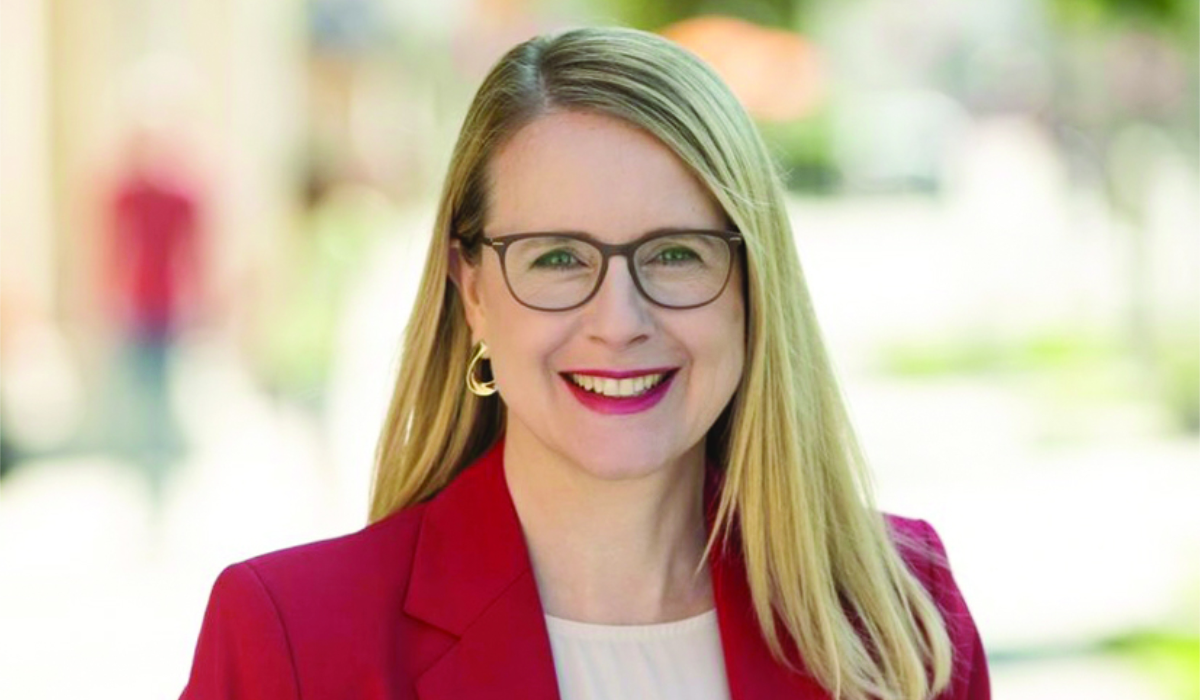


Margarete Schramboeck, Aramco Digital board member

The idea to stage the Super Final in AlUla came from Margarete Schramboeck, Austria’s former minister of economy and digital affairs and a board member of Aramco Digital. Recognizing the popularity of esports in contemporary youth culture, Schramboeck felt that Saudi Arabia, more than any other nation, exemplifies this trend.

“When the DCL team approached me, presenting their world-class drone racing league and its capabilities, I immediately saw the potential for Saudi Arabia … I envisioned it as something truly exceptional,” she told Arab News.

Drones and gaming play such an important role for our next generation — they are part of digital transformation and contribute to Saudi Vision 2030.

Margarete Schramboeck, Aramco Digital board member

Saudi Minister of Investment Khalid Al-Falih provided immediate support for the idea when it was presented to him at the French-Saudi Business Forum earlier this year, she added, and put her in touch with Amr Al-Madani, CEO of the Royal Commission for AlUla.

“I was so happy my idea was supported by both. I want to thank them for making it possible,” Schramboeck added.
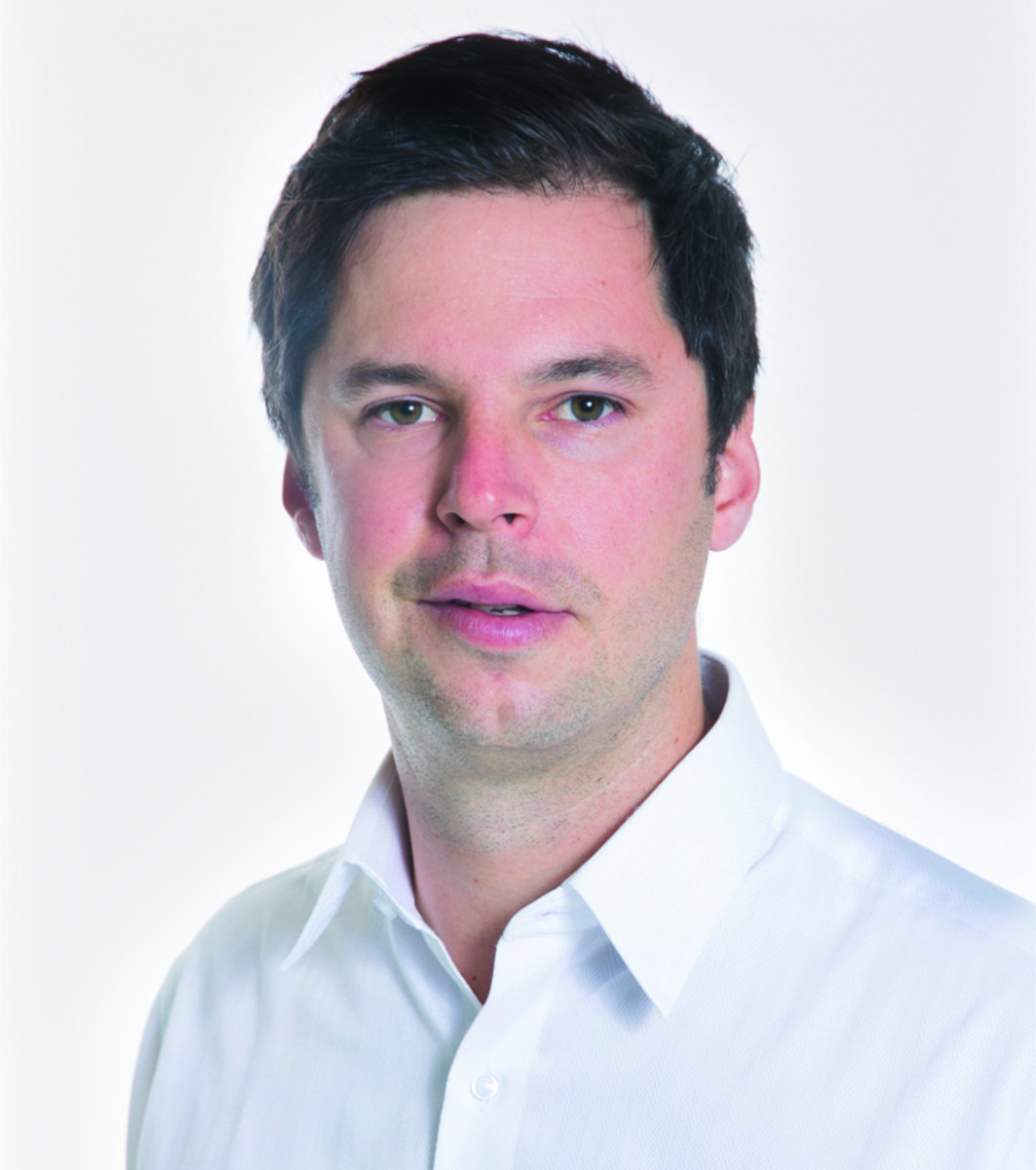


Markus Stampfer, DCL owner

With over 50 million viewers around the world in 2023, the DCL’s appearance in AlUla will attract attention from across the globe for the UNESCO World Heritage site, giving the tech-savvy younger generation the opportunity to delve into AlUla’s cultural heritage through their passion for gaming.

“Drones and gaming play such an important role for our next generation — they are part of digital transformation and contribute to Saudi Vision 2030. I only want to do projects which provide a clear value-add to the Kingdom on multiple levels,” Schramboeck said.

By choosing AlUla, we aim to bring the essence of this extraordinary location to a global audience, shining a spotlight on its cultural and historical importance.

Markus Stampfer, DCL owner

DCL owner Markus Stampfer told Arab News in an exclusive interview: “Our roots lie in physical drone racing and engineering, but, over time, we’ve evolved into a globally accessible esports title. This transformation aligns with the trend of Tourism 3.0, where cities and regions are visualized and digitized.

“This shift has allowed a young audience to be digitally close to World Heritage sites such as the remarkable example in AlUla,” he added. “We’ve achieved our development milestones during the past years to drive this transformation and are proud to be making DCL a global sensation.”

Stampfer also revealed that the league is exploring a return to real-life drone racing alongside virtual events. Several cities have already signed on for this initiative, and there are plans to introduce physical drone racing in Saudi Arabia in 2024.

“This marks a significant step toward achieving the ultimate goal of a hybrid global racing series, seamlessly integrating both digital and real-life experiences,” he said.

Why AlUla?
AlUla has been at the forefront of sustainable development in the Kingdom through its prestigious sports and adventure offerings, hosting numerous events including the AlUla Camel Cup, the Custodian of the Two Holy Mosques Endurance Cup, the Saudi Tour, and, more recently, AlUla Desert Blaze.

AlUla Old Town was recognized by the United Nations World Tourism Organization as one of the world’s Best Tourism Villages in 2022.

Stampfer emphasized that AlUla’s unique backdrop aligns perfectly with DCL’s vision: “It is a special honor to be in a place that is a World Heritage site, offering a unique backdrop that showcases the historical significance of the region. The league places great importance on cultural resonance and AlUla fits perfectly with our vision for creating a memorable and impactful event.

“By choosing AlUla, we aim to bring the essence of this extraordinary location to a global audience, shining a spotlight on its cultural and historical importance,” he added.


US consulate supports Saudi musicians for Jazz in Jeddah Festival

Updated 7 sec ago
Follow

US consulate supports Saudi musicians for Jazz in Jeddah Festival

  • Songs created from inspiring process, say local artists
  • David Malatesta, professional bassist, led the program

JEDDAH: The US Consulate in Jeddah marked a milestone in cultural exchange with the completion of its first English Language Specialist program, “Creative Writing for Musicians and Songwriters,” on Jan. 14.

The program, which combined advanced English-language instruction with professional music training, culminated in a showcase where participants presented versions of their original jazz compositions.

The initiative was funded by the US Department of State’s Bureau of Educational and Cultural Affairs, through its English-language programs, and administered by Georgetown University.

The US partnered with the Call of Culture organization, and the Jazz in Jeddah festival, to support emerging Saudi talent. The program aimed to merge American expertise in storytelling, songwriting, and jazz with the voices of Saudi musicians, and prepare them for international stages.

Stephen Ibelli, head of the Public Diplomacy Section at the consulate, said the initiative “demonstrates how American expertise in education, storytelling, and the creative industries can contribute to Saudi Arabia’s growing cultural sector.

“By partnering with leading Saudi cultural organizations, we are investing in people, creativity, and long-term cultural exchange that strengthen the US–Saudi relationship.”

David Malatesta, an English-language specialist and professional jazz musician who led the program, reflected on his experience with the students.

“I was a bassist and an educator, and what drew me to Saudi Arabia was the chance to make music with Saudi musicians, share ideas, improvise together, and explore jazz as a global language.

“I led the lyrics section of the program, and the students wrote original jazz songs in English. I helped them improvise lyrics and develop creative ideas, combining their creativity with mine.

“We went through the whole process together, using a variety of activities to spark inspiration. I also brought my experience as a linguist and my work with the State Department to the sessions, blending language and musical training.”

He added: “The students were fearless and inventive. They took risks, experimented, and blended Saudi traditions with modern beats. We also explored blues, which is indigenous to the US, and drew parallels with the students’ experiences here.

“The program opened my ears and made me rethink how jazz could integrate with local rhythms and storytelling. It was a two-way process, I learned how to incorporate Saudi scales, rhythms, and traditions into jazz, which is an improvisational language.”

Malatesta highlighted that what stood out most was the students’ sense of rhythm and melody, bringing a fresh, bold voice to jazz. They were open to learning about jazz history while creating their own musical vocabularies.

Non-Western scales, different rhythmic patterns, and storytelling approaches were woven into jazz grooves, creating a dialogue between Western jazz and Saudi tradition, producing music that could only exist in that moment with these artists.

“Looking ahead to the Jazz in Jeddah Festival in April, I hoped audiences would feel the musicians’ curiosity and playfulness, experience jazz as a conversation across cultures, and enjoy the improvisation and connection we created during the program, which will stay with me and the students long after it ended.”

The participants echoed Malatesta’s views on the transformative impact of the program.

Donia Ahed, a university student and singer-songwriter, said: “I joined because my professor recommended it, and I’ve always loved writing songs. The online sessions were really nice, and David was very passionate and patient.

“In the in-person sessions, we learned jazz, blues, and pop, and got guidance on how to structure songs. I created my own song, ‘My Way,’ and also performed a song by another participant. It was amazing working with my teammates, sharing ideas, and being creative together.

“This program helped me improve my writing and musical skills and even sparked a deeper interest in jazz. I can’t wait to perform at the festival in April. I’m excited but a bit nervous, of course.”

Abrar Niyazi, who wrote “Bend Not Break,” described her journey: “Singing has been my passion since I was a kid, but I never thought of writing lyrics. This program gave me the tools to express myself.

“It simplified the process and allowed me to turn my feelings, stories, or imagery into lyrics. It was challenging to put my emotions on paper and focus on them, but with David’s support, I was able to write a heartfelt song.

“It was empowering and taught me that I can improve my skills, write more, and eventually record my own songs. I’m really excited to perform for the first time at the Jazz in Jeddah Festival and to hear audience feedback.”

Loulwa Alshareef, an established singer and songwriter, said “magic” was a way to describe the program. “I’ve been performing since 2014, mostly covers, and writing my own songs was always a struggle.

“David made it easy by helping me connect with my feelings and write simply but meaningfully. I wrote a song about women, and it was an incredible process.

“I now feel inspired to create more original songs and share them at the Jazz in Jeddah festival with other Saudi artists. Opportunities like this, getting mentorship and guidance, help artists step out of their comfort zones and grow.

“I would advise young artists to be themselves, put their ideas out there, and embrace creativity without waiting for perfection.”

Eng. Mohammed Bakhrieba, the founder of Call of Culture, emphasized the program’s historical significance during his opening remarks at the closing ceremony.

“Jazz in Jeddah has roots going back to the late 1950s and 1960s with American artists. This initiative continues that legacy and allows local artists to build on it, creating a bridge between generations and cultures while fostering cross-cultural collaboration,” he said.

The program highlights the growing collaboration between Saudi Arabia and the US in the creative industries, providing young musicians with professional guidance, international exposure, and a platform to contribute to a global musical dialogue.