

Ancient Tayma inscription highlights trade relations between Egypt and Arabian Peninsula

1 / 7
Saudi archaeologists confirmed that the site was located on a trade route connecting the Nile Valley to Tayma during the reign of Ramses III. (SPA)
2 / 7
Saudi archaeologists confirmed that the site was located on a trade route connecting the Nile Valley to Tayma during the reign of Ramses III. (SPA)
3 / 7
Saudi archaeologists confirmed that the site was located on a trade route connecting the Nile Valley to Tayma during the reign of Ramses III. (SPA)
4 / 7
Saudi archaeologists confirmed that the site was located on a trade route connecting the Nile Valley to Tayma during the reign of Ramses III. (SPA)
5 / 7
Saudi archaeologists confirmed that the site was located on a trade route connecting the Nile Valley to Tayma during the reign of Ramses III. (SPA)
6 / 7
Saudi archaeologists confirmed that the site was located on a trade route connecting the Nile Valley to Tayma during the reign of Ramses III. (SPA)
7 / 7
Saudi archaeologists confirmed that the site was located on a trade route connecting the Nile Valley to Tayma during the reign of Ramses III. (SPA)
Short Url
Updated 25 October 2023
Follow

Ancient Tayma inscription highlights trade relations between Egypt and Arabian Peninsula

  • The hieroglyph was found in northwestern Saudi Arabia and bears a royal signature of King Ramses III

RIYADH: The pharaonic inscription of King Ramses III in Tayma is one of the most significant archaeological discoveries of the 21st century, a find that indicates the depth of trade relations between the Nile Valley and the Arabian Peninsula stretching back more than 3,000 years.

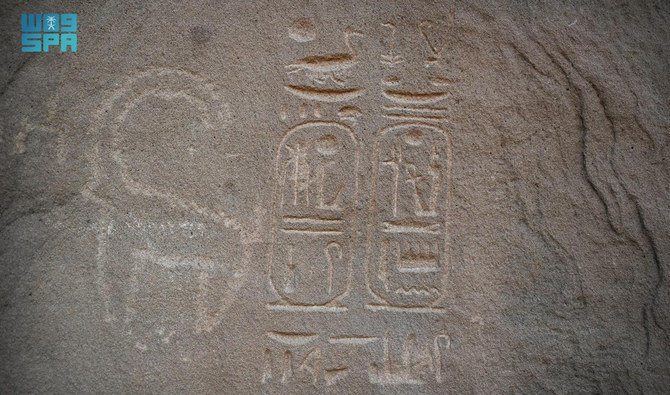
The hieroglyph was found on a rock in Al-Zaydaniyah, near the Tayma oasis in northwestern Saudi Arabia, and bears a royal signature (a double cartouche) of King Ramses III, who reigned from 1192–1160 B.C.

According to Mohammed Al-Najm, former director of Tayma Museum, the inscription, which was discovered in 2010, is one of the most significant finds in the Kingdom and the first archaeological discovery of its type.

Saudi archaeologists confirmed that the site was located on a trade route connecting the Nile Valley to Tayma during the reign of Ramses III. Egyptian caravans traveled the route carrying valuable goods from Tayma, such as incense, copper, gold and silver.

Al-Najm said that the route was marked by royal signatures placed on water wells in the Sinai Peninsula and Arabian Peninsula.

The route passed through the Nile Valley and the port of Qulzum to the city of Suez, where archaeologists have found a temple dedicated to the Egyptian king.

It then passed by sea through Sarabit Al-Khadem, near the port of Abu Zenima on the Gulf of Suez, where inscriptions of King Ramses III were also found, before crossing the Sinai Peninsula and passing through the Wadi Abu Ghada water well near a palm oasis, where a double cartouche similar to the Tayma cartouche, bearing the name of the king, was discovered.

The route continued to the head of the Gulf of Aqaba, passing through the Nahal and Tannimah sites, where double cartouches of King Ramesses III, similar to the Tayma cartouche, were also found. A papyrus indicates that the Egyptian ruler sent people to bring copper from a neighboring land.

Al-Najm said that this inscription marked a turning point in the study of the roots of relations between Egypt and the Arabian Peninsula.

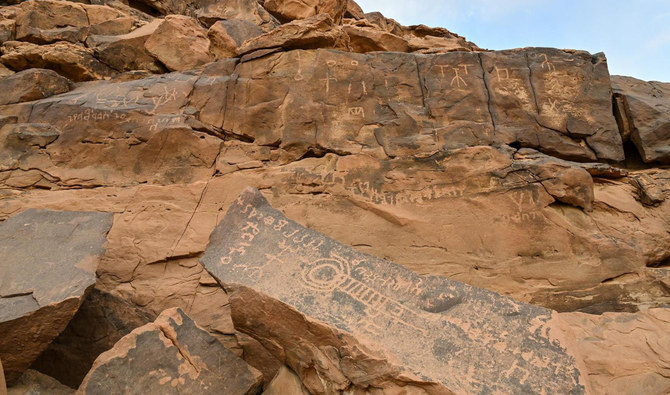
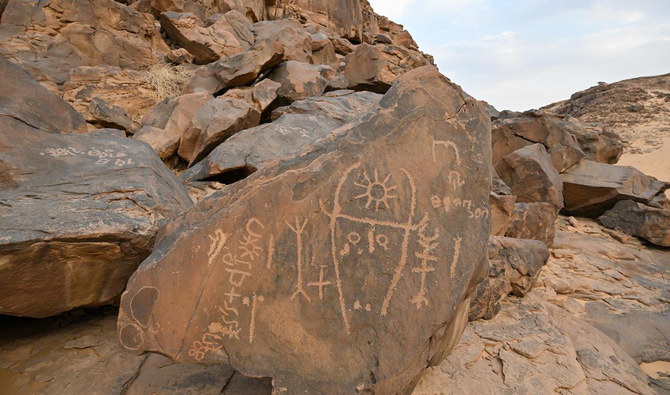
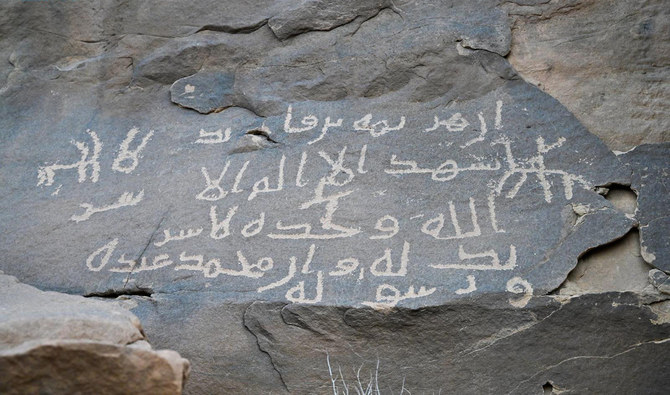
Other inscriptions found in the vicinity include human, mythological and animal figures, as well as geometric patterns. These have been studied and documented, with further research needed to uncover their archaeological and historical significance, he added.


Saudi watchdog warns of possible health risk from Nestle baby formula

Updated 06 January 2026
Follow

Saudi watchdog warns of possible health risk from Nestle baby formula

  • Company voluntarily recalls its Nan, Alfamino, S-26 Gold and S-26 Ultima products over concerns they might be contaminated with cereulide, a toxin produced by bacteria
  • Saudi Food and Drug Authority says recall is precautionary and no related illnesses have been reported, but advises consumers to dispose of recalled products immediately

RIYADH: The Saudi Food and Drug Authority on Tuesday warned the public not to consume certain Nestle infant formula products, after the company issued a voluntary recall over concerns about possible contamination.

The advisory covers products marketed under the Nan, Alfamino, S-26 Gold and S-26 Ultima brands. They might be contaminated with cereulide, a toxin produced by the Bacillus cereus bacteria, which can pose a risk to infant health, the Saudi Press Agency reported.

The Saudi authority said the recall was a precautionary measure and no related illnesses have been reported. Possible symptoms of exposure can include nausea, repeated vomiting and abdominal pain.

It advised consumers to dispose of the recalled products immediately, and said it was coordinating with Nestle to ensure they are removed from stores and is monitoring the process.

Full details of the affected products, including batch numbers, are available at the Saudi Food and Drug Authority website. The organization said consumers can report any food safety concerns by calling 19999.