



JEDDAH: Saudi Arabia imports about 80 percent of its fruit. But a sustainable farm in Wadi bin Hashbal, in the southwest Asir region, is setting out to reduce that figure by producing up to 60 tons of fruit, field crops and fodder each year.
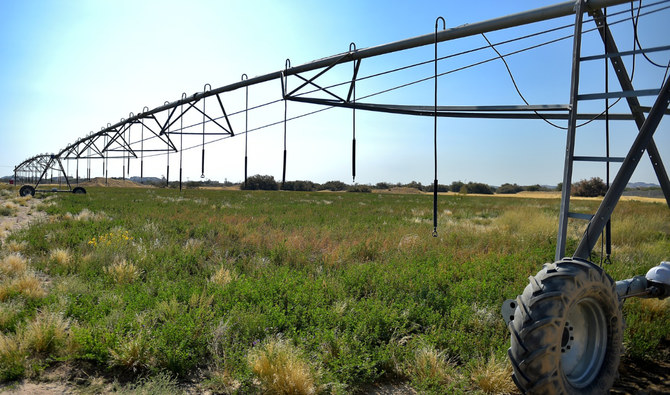
The sustainable farm, recently recognized by the Guinness World Records as the largest in the world, uses treated water to irrigate crops planted across a 3.2 million square meter area.
Irrigation operations are overseen by specialists and carried out in several stages, minimizing the impact on freshwater resources, and promoting responsible water management practices.
This approach aligns with the Kingdom’s efforts to address water scarcity and ensure the long-term viability of agricultural activities.
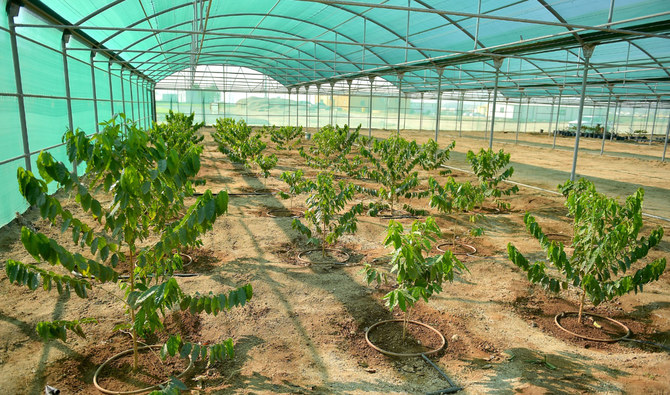
The model farm has more than 14,000 trees and houses five air-conditioned greenhouses along with several other structures. It also includes 50 fields designated for growing fruit trees, in addition to plans to reclaim and cultivate 20 additional fields in the future.
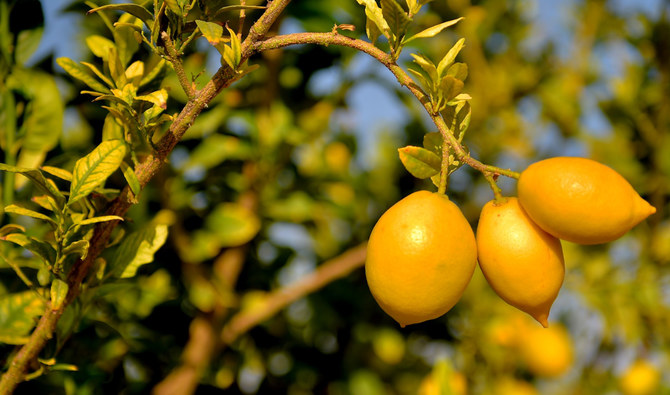
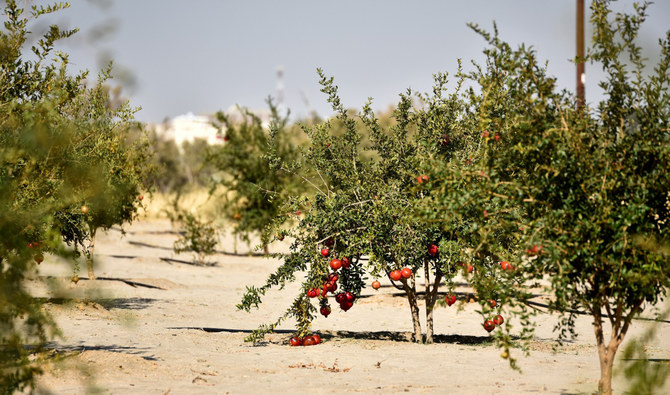
A wide range of crops and fruit trees, including lemons, oranges, tangerines, pomegranates, grapes and figs, highlight the Kingdom’s agricultural diversity.
Speaking to Arab News, Ahmed bin Mohammed Al-Mujthal, director-general of the Ministry of Environment and Water’s Asir branch, described the research farm as “a new achievement in the name of the nation.”
“It marks a significant milestone in Saudi Arabia toward sustainable farming. This remarkable achievement also showcases the Kingdom’s commitment to agriculture and environmental conservation,” he said.
The farm also shows that “with the right combination of innovation and commitment, a sustainable future is within our reach.”
Al-Mujthal added: “When you’re talking about something this large, the economics work out well. So, it turns out to be a very profitable farm.”
Model farms display modern irrigation systems, as well as the latest cultivation and animal-rearing techniques, acquainting farmers in the region with the best agricultural practices, he said.
The approach is important to provide food for local communities and reduce reliance on imported products.
“Food security is a matter of national security,” he said.
Al-Mujthal said that the sustainable farm expects to produce 10,700 kg of lemons, 3,500 kg of tangerines, 4,200 kg of oranges and 16,000 kg of pomegranate, among other crops.
According to World Wide Fund for Nature, agriculture is the world’s largest industry, employing more than 1 billion people and generating over $1.3 trillion of food annually. Pasture and cropland occupy about half of the planet’s habitable land, and provide habitat and food for a host of species.
Food security is a priority in Saudi Arabia and sustainable agriculture is gaining widespread attention.
Agricultural operations that are sustainably managed can preserve and restore critical habitats, help protect watersheds, and improve soil health and water quality, while unsustainable practices can have serious impacts on people and the environment.
Sustainable development that aims to capitalize on renewable natural resources is one of Saudi Arabia’s main objectives. The Kingdom also seeks to maintain a stable balance of natural resources through safe and effective management methods.
Resource management is becoming more important as the Saudi population grows, driving up demand for agricultural commodities.
As part of Vision 2030, the Kingdom has formulated plans to increase the use of technology, promote organic farming and increase the use of water-saving methods.


