


KARACHI: Pakistan refiner Cnergyico has imported the country’s first private-sector shipment of Russian crude oil, it said on Monday, as the cash-strapped nation takes advantage of Moscow’s discounts on its oil exports.
The South Asian nation has started snapping up crude oil that Russia has discounted after its exports were banned from European markets over Russia’s invasion of Ukraine. Pakistan’s first cargo, imported by the government, arrived in June and a second government-to-government shipment is under negotiation.
It had been assumed that private imports would not be commercially viable because, among other things, cargoes have to be split and transferred to smaller ships as Pakistan’s ports cannot handle large tankers.
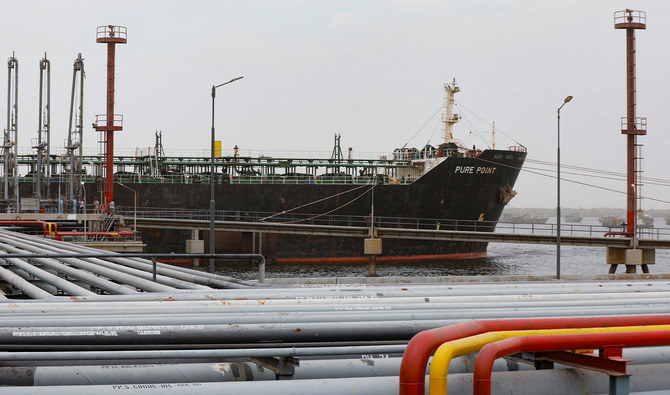
But Cnergyico used its single point mooring, which can accommodate deep-draft tankers, a company spokesman said in response to questions from Reuters. The crude is to be refined at the company’s refinery in the southwestern city of Hub.
Processing the 100,000-metric-ton shipment of Urals crude “marks an important milestone for the company and for the country as well,” said the spokesman. “It demonstrates the company’s capabilities and readiness to refine different types and complexities of crude oil.”
Cnergyico operates the largest refinery in Pakistan, with a capacity of 156,000 barrels per day (bpd), accounting for one-third of a national capacity of 450,000 bpd. It is the only refinery with its own single point mooring.
Cnergyico plans to sell gasoline and diesel refined from the Urals crude locally, and export furnace oil, or fuel oil, typically used in industrial boilers, power plants and ship engines.
“There is ample demand for furnace oil in the global market, which can help Pakistan generate foreign exchange,” the spokesman said.
Cnergyico conducted due diligence and consulted with external sanctions counsel to ensure the import of Russian oil did not violate sanctions, he said.
Pakistan aims to import 100,000 bpd from Russia this year, which would account for the bulk of its total imports, help address a foreign-exchange crisis and keep a lid on record inflation. Last year, Pakistan’s total crude imports registered at 154,000 bpd.
The government paid in Chinese yuan for its first import of discounted Russian crude, which went to state-owned Pakistan Refinery Ltd.
Cnergyico declined to comment on what currency it used to pay for its Russian cargo. A source with knowledge of the deal told Reuters that Cnergyico will also pay in yuan through a letter of credit from a Chinese Bank.
The benefits of the Russian discounts, however, are being offset by increased shipping costs and the lower-quality fuels produced from the heavy sour Urals crude grade compared with products refined from crude from Pakistan’s main suppliers, Saudi Arabia and the United Arab Emirates, analysts say.
Cnergyico said it expects to make the Russian imports viable through the export of furnace oil to generate foreign exchange.


