ISLAMABAD: The United Nations said Wednesday it has documented more than 1,600 cases of human rights violations committed by authorities in Afghanistan during arrests and detentions of people, and urged the Taliban government to stop torture and protect the rights of detainees.
Nearly 50 percent of the violations consisted of “torture and other cruel, inhuman and degrading treatment,” the UN Assistance Mission in Afghanistan said.
The report by the mission’s Human Rights Service covered 19 months – from January 2022 until the end of July 2023 – with cases documented across 29 of Afghanistan’s 34 provinces. It said 11 percent of the cases involved women.
It said the torture aimed at extracting confessions and other information included beatings, suffocation, suspension from the ceiling and electric shocks. Cases that were not considered sufficiently credible and reliable were not included in the report, it said.
The Taliban have promised a more moderate rule than during their previous period in power in the 1990s. But they have imposed harsh measures since seizing Afghanistan in mid-August 2021 as US and NATO forces were pulling out from the country after two decades of war.
“The personal accounts of beatings, electric shocks, water torture, and numerous other forms of cruel and degrading treatment, along with threats made against individuals and their families, are harrowing,” UN High Commissioner for Human Rights Volker Türk said in a statement issued with the report.
“This report suggests that torture is also used as a tool – in lieu of effective investigations. I urge all concerned de facto authorities to put in place concrete measures to halt these abuses and hold perpetrators accountable,” he said.
The UN mission, or UNAMA, uses the term “de facto authorities” for the Taliban government.
Its report acknowledges some steps taken by government agencies to monitor places of detention and investigate allegations of abuse.
“Although there have been some encouraging signs in terms of leadership directives as well as an openness among many de facto officials to engage constructively with UNAMA, and allow visits to prisons, these documented cases highlight the need for urgent, accelerated action by all,” Roza Otunbayeva, the UN secretary-general’s special representative for Afghanistan and head of the mission, said in a statement.
The report said of the torture and other degrading treatment that 259 instances involved physical suffering and 207 involved mental suffering.
UNAMA said it believes that ill-treatment of individuals in custody is widely underreported and that the figures in the report represent only a snapshot of violations of people in detention across Afghanistan.
It said a pervasive climate of surveillance, harassment and intimidation, threats to people not to speak about their experiences in detention, and the need for prisoners to provide guarantees by family members and other third parties to be released from custody hamper the willingness of many people to speak freely to the UN mission.
The report said 44 percent of the interviewees were civilians with no particular affiliation, 21 percent were former government or security personnel, 16 percent were members of civic organizations or human rights groups, 9 percent were members of armed groups and 8 percent were journalists and media workers. The remainder were “family members of persons of interest.”
In a response that was included in the report, the Taliban-led Foreign Ministry said government agencies have taken steps to improve the human rights situation of detainees, and that Islamic law, or Shariah, prohibits torture. It also questioned some of the report’s data. The Ministry of Interior said it has identified only 21 cases of human rights violations.


![]()

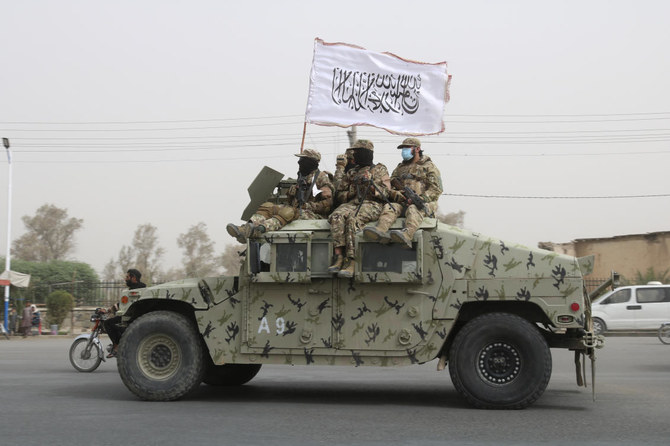
UN urges Afghanistan’s Taliban government to stop torture and protect the rights of detainees
Short Url
https://arab.news/6r4ux
UN urges Afghanistan’s Taliban government to stop torture and protect the rights of detainees
- More than 1,600 cases of human rights violations committed by authorities in Afghanistan during arrests and detentions of people
- Nearly 50 percent of the violations consisted of ‘torture and other cruel, inhuman and degrading treatment’


Latest updates


© 2026 SAUDI RESEARCH & PUBLISHING COMPANY, All Rights Reserved And subject to Terms of Use Agreement.