


PARIS: A World Expo is an event filled with magic and wonder for visitors from all walks of life, and allows host nations to highlight their achievements while celebrating global diversity. This is why the Saudi capital Riyadh decided to launch its bid to host Expo 2030, the outcome of which will be announced about two months from now.
For the past 170 years, from the original Great Exhibition in London in 1851 to its most recent iteration as Expo 2020 Dubai, these prestigious events have captivated visitors and provided a showcase for technological advances alongside historical and cultural curios.

Dimitri Kerkentzes, secretary-general of Bureau International des Expositions, the organization that chooses the host nation from the submitted World Expo bids. (Supplied)
In an exclusive interview with Arab News, Dimitri Kerkentzes, the secretary-general of the Bureau International des Expositions, the organization that chooses the host nation from the submitted bids, spoke about the history, ongoing relevance and future of this landmark cultural institution.
Countries interested in hosting a World Expo must apply years in advance by submitting a letter and candidacy dossier to the BIE. Officials from the organization then carry out an inquiry mission to evaluate the city’s candidacy and consider its proposals.
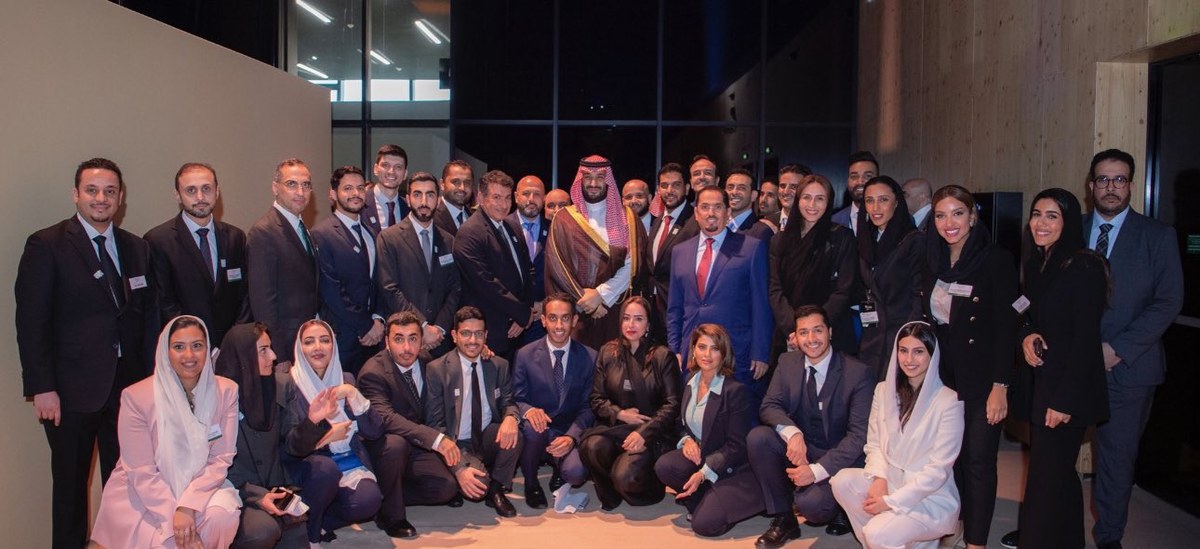
“Teamwork is the ability to work together toward a common vision” - the Crown Prince with the RCRCSA team overseeing Riyadh’s Expo 2030 bid. (Photo: Royal Commission for Riyadh City)
“The missions examine factors such as the motivations behind the candidacies, the appeal of the proposed theme, the proposed site and its plans for reuse after the expo, the levels of commitment and support from both local and national authorities, participation projections, and the financial plan,” Kerkentzes said.
The hosts of the next two expos have already been chosen — Expo 2025 will take place in Osaka, Japan, and Expo 2027 in Belgrade, Serbia — but the winning bid for Expo 2030 is yet to be decided. In addition to Riyadh, Busan in South Korea and the Italian capital Rome have applied to host the event. BIE member states will convene for their 173rd General Assembly in November, during which they will vote to choose the winning candidate.
Saudi Arabia wowed visitors during Expo 2020 Dubai with its award-winning pavilion, which welcomed 4.6 million people and featured 230 unique programs, including 11 business events designed to promote investment, tourism and entertainment in the Kingdom.
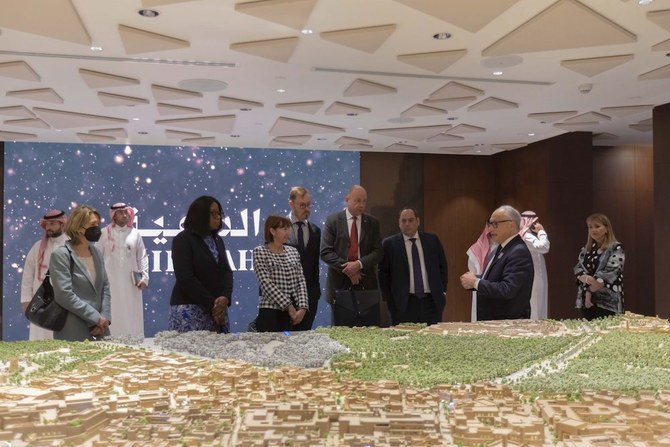
In March this year, authorities in Riyadh welcomed a BIE delegation, led by Kerkentzes, that arrived to carry out its five-day inquiry mission. The delegates met Crown Prince Mohammed bin Salman, government ministers, other senior officials, and representatives of the private and social sectors, to discuss the feasibility and viability of the city’s bid to host the global fair.
At the time, Kerkentzes said the Kingdom had “everything needed” to host a successful expo. Dozens of countries and organizations have pledged their support for the Saudi candidacy, including China, Israel and Palestine, Iran, Serbia, the UAE, and at least 24 African nations, as well as the Caribbean Community, the Economic Community of Central African States, and the Organization for Islamic Cooperation.
But the success of the event itself is not the only priority for the BIE when choosing a host. Kerkentzes said the “expo should be an integral part of the city organizing it, and should be based on the needs and aspirations of the city and its residents.”
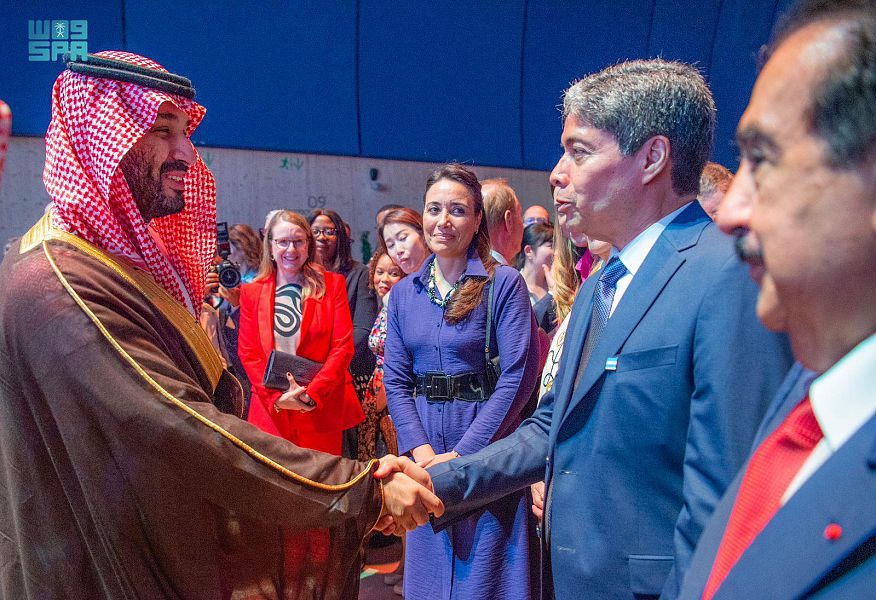
Saudi crown prince attends the Kingdom’s official reception for Riyadh's bid to host World Expo 2030 in Paris on June 19, 2023. (SPA)
He added: “The expected legacy must undergo rigorous planning and be intrinsically linked to the host city’s long-term plans and vision. Expos are extraordinary platforms for culture, communication, solidarity, cooperation, progress and public diplomacy. They engage civil society, governments and businesses in their immediate and future environment.”
For decades, expos have left indelible marks on host cities. The Eiffel Tower, for example, which was constructed for the 1889 Exposition Universelle in Paris, continues to attract huge numbers of tourists every year.
“Since the very first one, in London in 1851, World Expos have demonstrated their role as strategic tools for urban economic and cultural renewal,” said Kerkentzes. “World Expos are places of discovery and meetings that allow people to immerse themselves in a theme, stimulate their imagination, mobilize ideas, and forge meaningful connections with the world.
“Visiting a World Expo offers limitless opportunities to learn more about other nations, to encounter new cultures, to discover achievements, innovations and creative solutions, and to engage in discussions about the future.
“Whether through immersive exhibitions, cultural programming, stunning architecture or a wide range of activities offered, a day at a World Expo site is unlike any other experience, online or offline.”
To the cities chosen to host these prestigious events, an expo represents a massive opportunity for growth and development.
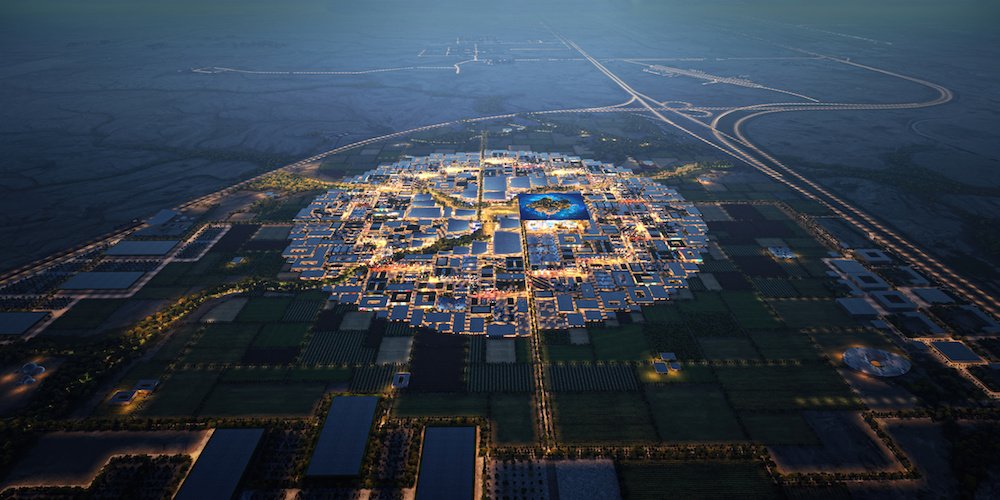
Saudi Arabia unveiled the master plan for Riyadh Expo 2030 during an official reception organized by the Royal Commission for Riyadh City in Paris in the presence of delegates of 179 member states of the Bureau International des Expositions (BIE). (Photo: Royal Commission for Riyadh City)
“Expo projects prepare the city for the future by stimulating the development of infrastructure and facilities that will serve residents, tourists and businesses in the long term,” said Kerkentzes.
“Through construction, planning, tourism and the development of new industries, World Expos lead to the creation of hundreds of thousands of new jobs, stimulate regional development, and mobilize all citizens in a future-oriented project.”
Despite a year-long delay due to the COVID-19 pandemic, Expo 2020 Dubai, which ran from October 2021 to March 2022, was a major success for the city, the UAE and the wider region. Under the theme “Connecting Minds, Creating the Future,” 192 countries took part in the six-month event, which attracted more than 24 million visitors.
A year after the event ended, a study by Ernst and Young estimated it would generate a total of 154.9 billion dirhams ($42 billion) for the UAE economy between 2013, when it was chosen to host, and 2042.
If successful with its bid, Riyadh expects to welcome 40 million in-person visitors and 1 billion via the Metaverse, a first in the history of the World Expo. Expo 2020 Dubai ranked 12th in terms of the number of attendees but Kerkentzes said success cannot be measured in terms of footfall alone.
“From the candidacy phase onward, the host country and city set certain ambitions for the event, whether it’s the renovation or creation of a neighborhood, economic revitalization, or improving reputation and branding,” he said.
“Success should, therefore, be measured years later based on these initial objectives and those that may have formed during the project’s development.”
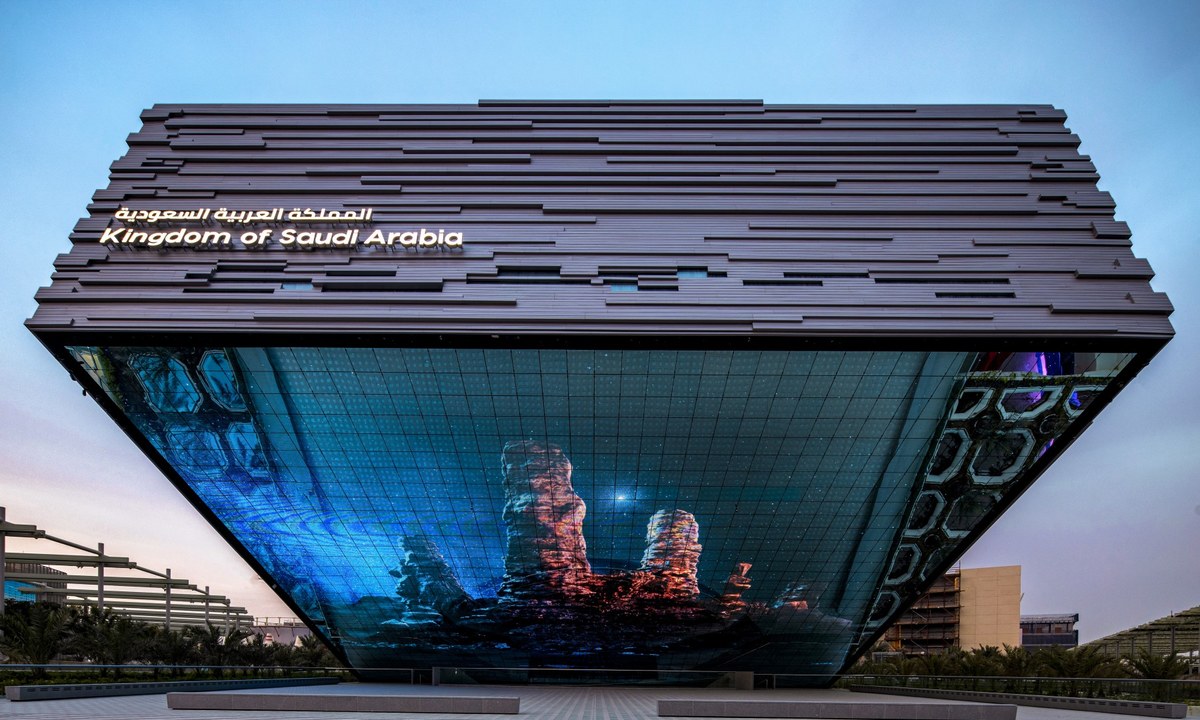
The KSA Pavilion at Dubai Expo. (Supplied)
Most studies of the success of expo events tend to focus on short-term economic benefits but a few have analyzed the long-term results, and Kerkentzes highlighted the findings of several studies that showed the positive economic effects on host countries.
Expo 1970 in Osaka, for example, is credited with growing Japan’s country’s gross domestic product by 2.1 percent, while Expo 2000 in Hannover reportedly generated €12 billion ($13 billion) in economic benefits for Germany.
Expo 2010 in Shanghai, which holds the record for the largest number of attendees, generated €12 billion from direct revenues alone, while total tourist revenues generated by the event exceeded €218 billion.
“For Expo 2015 in Milan, the SDA Bocconi School of Management estimated a total production increase of €31.6 billion between 2012 and 2020 driven by the expo,” said Kerkentzes.
“This equates to one percent of Italy’s national production, with the event itself adding €4.1 billion in value for 2015 alone. The financial impact after the expo, €17.7 billion, was largely due to increased tourism in Italy and the growth of businesses related to the expo.”
The unique nature of an expo as an event makes it challenging to measure its success. Although certain benchmarks, such as attendance, international participation and economic effects, are often used, other markers, such as an improvements in quality of life, enhancement of a country’s national brand and effects on diplomatic relations, can provide a more nuanced and complete picture.
“The success of a World Expo also depends on what happens in the six months that follow,” said Kerkentzes.
“This is crucial for the BIE. Both the host country and city must excel in preparing for the event, implementing it, and then managing its aftermath to ensure that the infrastructure is immediately useful, as was the case after Dubai’s expo.”


