WASHINGTON: Hundreds of people have been charged with the theft of more than $830 million in COVID-19 emergency aid following a nationwide operation conducted by federal, state and local law enforcement agencies, the US Justice Department announced Wednesday.
More than 60 of the defendants have alleged connections to organized crime, the department said, including members of a criminal gang accused of using stolen pandemic aid to pay for a murder.
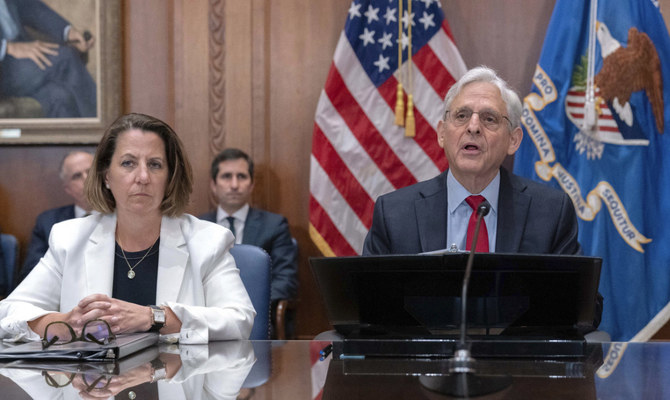
“This latest action, involving over 300 defendants and over $830 million in alleged COVID-19 fraud, should send a clear message: the COVID-19 public health emergency may have ended, but the Justice Department’s work to identify and prosecute those who stole pandemic relief funds is far from over,” Attorney General Merrick Garland said in a statement.
The three-month operation, which ended in July, resulted in more than 300 people being charged, underscoring the pervasiveness of the fraud.
“We’ll stay at it for as long as it takes,” said Deputy Attorney General Lisa Monaco, who led of a meeting of law enforcement officials livestreamed on the Justice Department’s website.
An Associated Press analysis published in June found that fraudsters potentially stole more than $280 billion in COVID-19 relief funding; another $123 billion was wasted or misspent.
Most of the money was grabbed from three large pandemic-relief initiatives designed to help small businesses and unemployed workers survive the economic upheaval caused by the pandemic. Nearly 3,200 defendants have been charged with COVID-19 aid fraud, according to the new Justice Department figures. About $1.4 billion in stolen pandemic aid has been seized.
The murder-for-hire case cited by Justice officials involved alleged members of a Milwaukee gang known as the Wild 100s, according to court records. Federal prosecutors said they stole millions of dollars in pandemic unemployment assistance and used part of the money to purchase guns, drugs and to pay to have a person killed.
The federal indictment identifies the victim in the Wisconsin case only by the initials N.B. and doesn’t specify how much of the plundered cash was used to finance the slaying.
The Justice Department also said Wednesday it was creating more strike forces to combat COVID-19 fraud in Colorado and New Jersey, joining those already in operation in California, Florida and Maryland.
“I don’t see an end,” said Mike Galdo, the department’s acting director for COVID-19 Fraud Enforcement. “Based on what we’ve seen from the scope of the fraud, I don’t see an end to our work.”


![]()

US Justice Department announces charges against hundreds of alleged COVID-19 fraudsters
Short Url
https://arab.news/j5e2u
US Justice Department announces charges against hundreds of alleged COVID-19 fraudsters
- The three-month operation, which ended in July, resulted in more than 300 people being charged, underscoring the pervasiveness of the fraud


Latest updates


© 2026 SAUDI RESEARCH & PUBLISHING COMPANY, All Rights Reserved And subject to Terms of Use Agreement.