Where We Are Going Today: Spell Specialty Coffee in Khobar

1 / 3
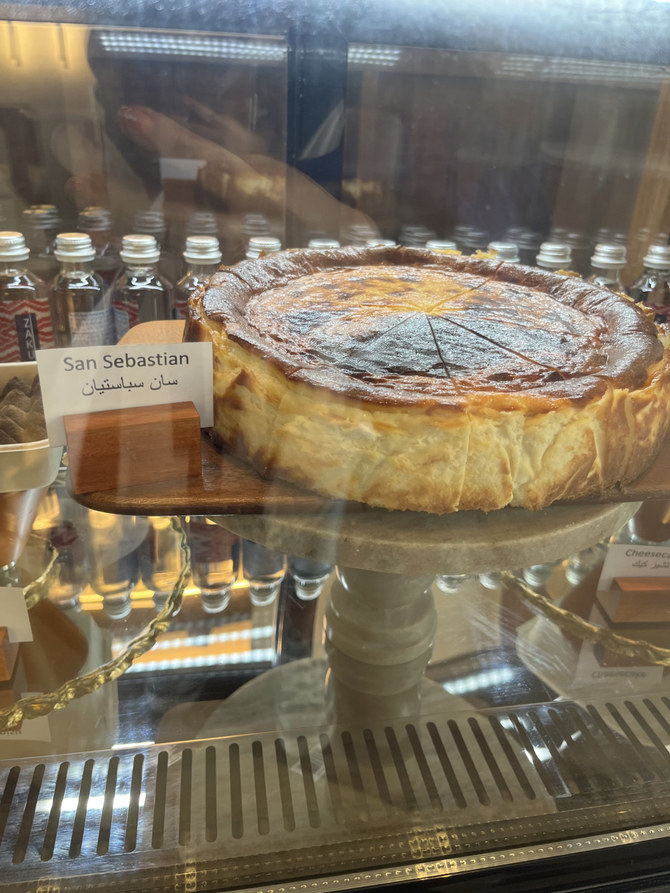
At Spell Specialty Coffee in Alkhobar. (AN photo by Jasmine Bager)
2 / 3
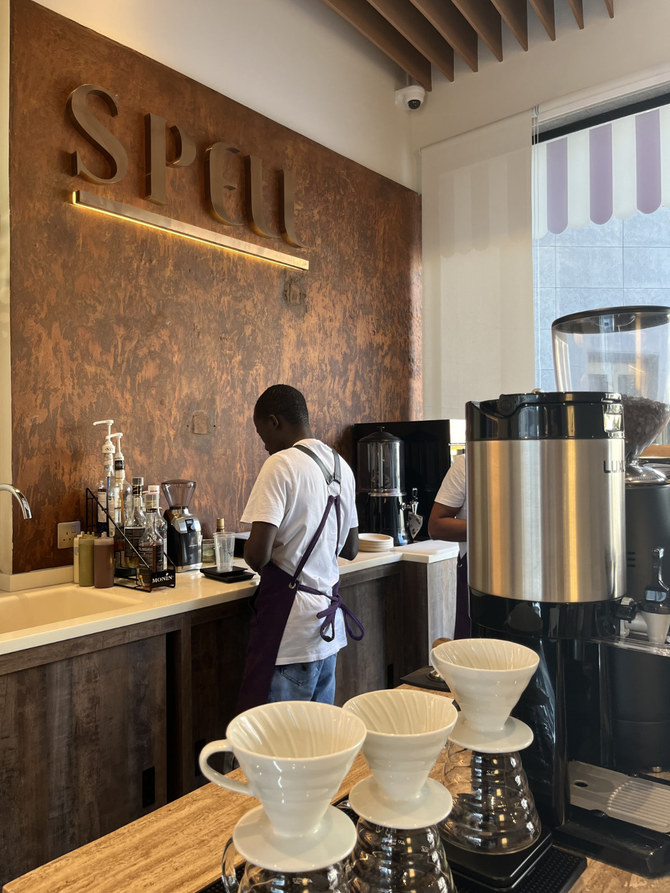
At Spell Specialty Coffee in Alkhobar. (AN photo by Jasmine Bager)
3 / 3
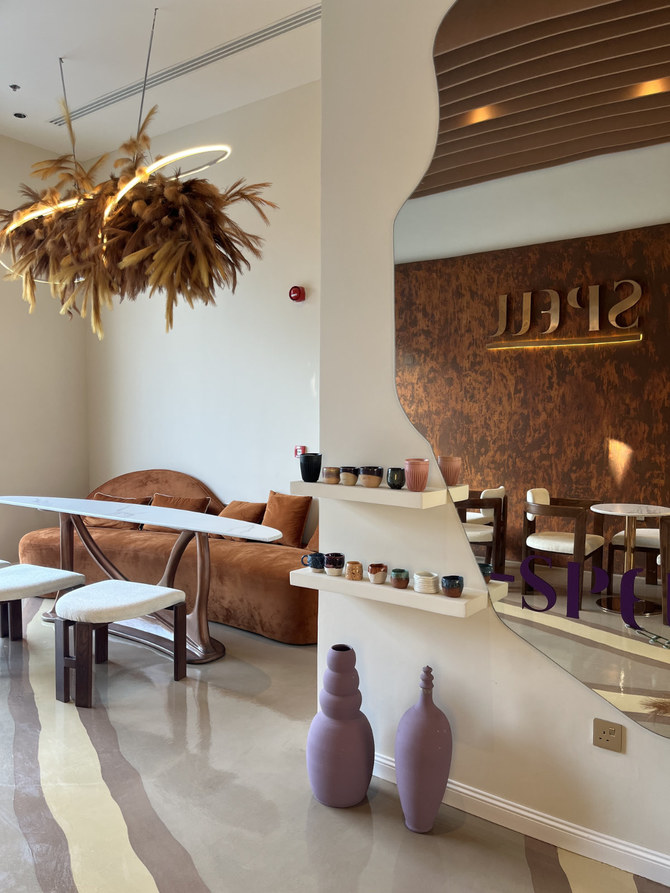
At Spell Specialty Coffee in Alkhobar. (AN photo by Jasmine Bager)
Short Url
Updated 17 August 2023
Follow

Where We Are Going Today: Spell Specialty Coffee in Khobar

ALKHOBAR: At the newly-erected Shorofat Park in Al Rakah, which is a cluster of businesses and trendy eateries, a serene spot in the otherwise bustling part of the city, stands Spell Specialty Coffee. Overlooking a man-made oasis with greenery and a long strip of water with tiny fountains, it is a nice escape from the daily grind.

With elegant and inviting decor, the interior space is small but not cluttered. It’s minimalistic design, which seems to have become the norm in Khobar cafes recently, is a welcoming space for slow sippers or those who want to grab and go.

Their menu includes lavish salads, decadent desserts and one of the few cafes in town that offers good quality hot and cold matcha. Their iced drinks are balanced, not too sweet or too watery, while their hot beverages can be customized to your taste and baristas are attentive to your requests.

Their iced Spanish latte, which is another drink popular with customers in Khobar as of late, is sweet enough without seeming like you’re sipping on sugary caffeine like in some other neighboring spots.

For summer, they are offering a variety of ice creams in a cup. Their cheesecake ice cream has bits of cheesecake, berry bits in syrup and sprinkled with what seems to be Graham crackers. Their cardamom and espresso cake is a loaf of goodness by Deema’s Bakery, another local entrepreneur, who has been providing freshly-baked goodies to several cafes across the Eastern Province.

Spell Coffee is open from 3-11:30 pm daily.

If you don’t feel like going there physically, hungerstation can deliver your order right to your home or office door.

Visit them @Spell.Coffee on instagram.


Sotheby’s to hold second Saudi Arabia auction titled ‘Origins’

Updated 8 sec ago
Follow

Sotheby’s to hold second Saudi Arabia auction titled ‘Origins’

  • 70 works by local, Mideast, international artists on Jan. 31
  • Work of late Saudi artist Safeya Binzagr will also be on sale

DUBAI: Sotheby’s will have its second auction in Saudi Arabia on Jan. 31 featuring more than 70 works by leading local, Middle East and international artists.

Titled “Origins,” the sale will be staged again in Diriyah, the birthplace of the Kingdom and a UNESCO World Heritage Site. The full selection will be available for free public viewing at Bujairi Terrace from Jan. 24.


A post shared by Sotheby's (@sothebys)

The event coincides with the opening of the Diriyah Contemporary Art Biennale and comes just ahead of the debut of Art Basel Doha in February, marking Art Basel’s first fair in the Middle East.

The sale spans a wide range of collecting categories, including Ancient Sculpture, 20th-Century Design and Prints, Middle Eastern, Modern and Contemporary, Latin American, and Modern and Contemporary South Asian.

Ashkan Baghestani, Sotheby’s head of sale and contemporary art specialist, said in a recent press release that the second auction reflects the company’s continued commitment to Saudi Arabia’s growing ecosystem.

Among the headline lots is “Coffee Shop in Madina Road” (1968) by Safeya Binzagr (1940–2024), estimated at $150,000 to $200,000. She is considered one of Saudi Arabia’s pioneering artists and the “spiritual mother” of contemporary local art.

The piece comes from the collection of Alberto Mestas Garcia, Spain’s ambassador to Saudi Arabia from 1966 to 1976, and his wife, Mercedes Suarez de Tangil Guzman.

A 1989 untitled painting by Mohammed Al-Saleem (1939–1997), estimated at $150,000 to $200,000, is from a private collection in Bahrain. The work exemplifies his Horizonism style, inspired by desert landscapes, and follows his record $1.1 million sale at Sotheby’s London in 2023.

Also included is “Demonstration” (1968) by Iraqi modernist Mahmoud Sabri (1927–2012), estimated at $400,000 to $500,000. The work reflects Sabri’s socially engaged practice and combines social realism with Christian imagery in a charged depiction of mourning and protest.

Samia Halaby’s “Copper” (1976), estimated at $120,000 to $180,000, highlights the artist’s move toward abstraction in the 1970s. Halaby, born in Jerusalem and now based in the US, has works in major international collections and participated in the 60th Venice Biennale in 2024.

A rare early work by Egyptian artist Ahmed Morsi, “Deux Pecheurs” (“Two Fishermen”) (1954), is estimated at $120,000 to $180,000. Morsi’s works have appeared only five times at auction previously and are held in major museum collections worldwide.

International highlights include Pablo Picasso’s “Paysage” (1965), estimated at $2 million to $3 million. Painted in Mougins during the final decade of his life, the work reflects Picasso’s late engagement with landscape and his dialogue with art history.

Anish Kapoor’s large-scale concave mirror sculpture “Untitled” (2005), estimated at $600,000 to $800,000, is also offered. Executed during a period of major institutional recognition for the artist, the work comes from Kapoor’s iconic mirror series.

Andy Warhol’s “Disquieting Muses (After de Chirico) (1982), estimated at $800,000 to $1.2 million, reinterprets Giorgio de Chirico’s 1917 painting through Pop Art repetition. The sale includes Warhol’s set of four Muhammad Ali screenprints from 1978, estimated at $300,000 to $500,000.

Jean Dubuffet’s “Le soleil les decolore” (1947), estimated at $800,000 to $1.2 million, appears at auction for the first time. Painted after the artist’s travels in the Sahara, the work reflects his response to desert landscapes and nomadic life.

The auction will also feature seven works by Roy Lichtenstein from the personal collection of Dorothy and Roy Lichtenstein.

Leading the group are “Interior with Ajax (Study)” (1997), estimated at $600,000 to $800,000, and “The Great Pyramid Banner (Study)” (1980), estimated at $150,000 to $200,000.