




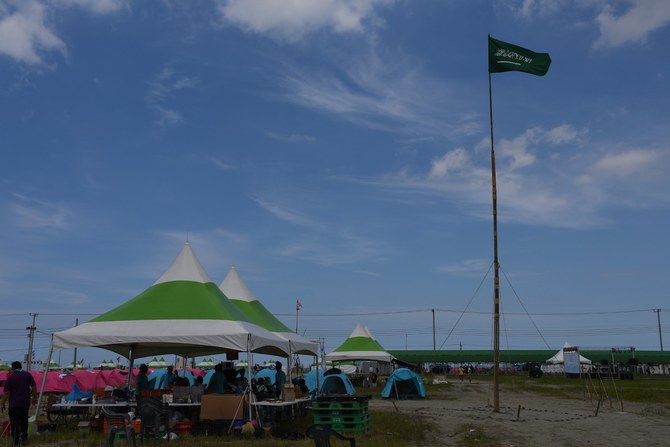


JEDDAH: The Saudi Arabian Scouts Association participated in the 25th World Scout Jamboree, a 12-day event held in South Korea.
More than 43,000 youths, both male and female, represented 158 nations at the event which was held under the theme “Draw Your Dream.”
Scouts from the Kingdom, between the ages of 14 and 17, took part in the camp’s diverse activities, including adventure programs, educational initiatives, and the exploration of South Korea’s cultural heritage.
Saudi rangers and leaders also made their mark as part of the international service team as they worked at the development village.
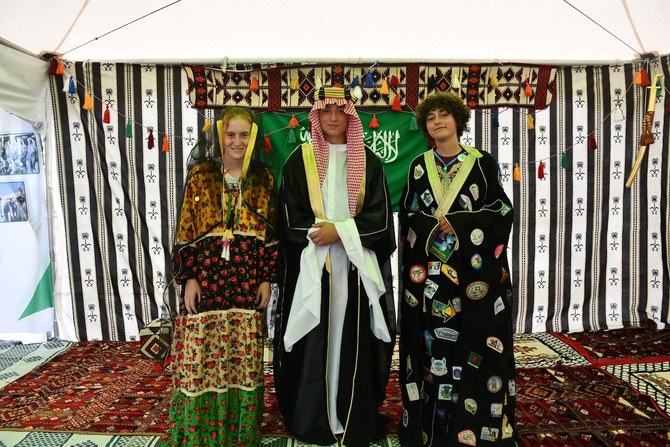
Their tasks included extending hospitality in a traditional Saudi tent; showcasing the Kingdom’s offerings through multiple programs; participating in the international peace messengers board; curating the Saudi scout exhibition; and delivering traditional arts and dances.
Mubarak Al-Dosari, a trailblazing scout and the overseer of the SASA’s media committee, told Arab News that a primary objective of participation was to shed light on Saudi Arabia’s involvement in such events down the years, beginning with the camp in Greece in 1963.
He added: “The camp has the additional goal of showcasing the noteworthy initiatives undertaken by Saudi scouts in the realm of community service, as well as their significant contributions toward the attainment of sustainable development.”
Saudis took part in the mishlah scout initiative. This involved adorning the bisht — a masculine cloak worn over an ankle-length tunic, known as a thobe, in the Arab region — with an array of scout badges from local, regional, and international events.
The bisht, which is available in colors such as black, brown, gray, beige, and white, holds significant cultural importance as the most traditional Saudi attire. It also carries an air of prestige and is closely associated with royalty, opulence, and formal ceremonies. While it finds particular popularity in Saudi Arabia, it is also worn in other Gulf nations.
The bisht was adorned with 250 commemorative badges representing various scouting events. These feature intricate embroidery with an array of colors, images, and slogans.
Al-Dosari said: “This initiative holds significant importance as it chronicles scouting events and serves as a platform for friendly competition among scouts worldwide who avidly collect these keepsakes.
“This practice contributes to the preservation of scouting history and facilitates a deeper understanding of different cultures by exploring the elements encapsulated in these commemorative insignias — whether in writing, artwork, or photography.”
Visitors to the Saudi pavilion took the opportunity to wear the bisht and take photographs.
Those visiting the pavilion included Sweden’s King Carl XVI Gustaf; Ahmad Alhendawi, the secretary-general and CEO of the World Organization of the Scout Movement; and Amr Hamdy, the regional director of the Arab Scout Region.
The bisht initiative has extended its influence across various countries worldwide. Saudi scout delegations participating in international events take the bisht with them, and this has occurred in countries such as Japan, the Netherlands, Armenia, and Morocco.
The camp also included a photo exhibition that told the story of the association’s participation at scout events over the years.
The Saudi pavilion in the Global Development Village boasted an exhibit that enabled visitors to identify the regions of the Kingdom and learn about present and future projects in each of them.
A closing ceremony was held at Seoul World Cup Stadium on Saturday with South Korean Prime Minister Han Duck-soo in attendance.
The closing event, which was witnessed by more than 40,000 participants, guests, and organizers, featured a video showcase of the camp’s highlights.
Poland is set to host the 26th World Scout Jamboree in 2027.


