NIAMEY: Pressure on the leaders of a coup in Niger mounted Sunday with the approach of the west African bloc’s deadline for the military to relinquish control or face possible armed intervention.
The ECOWAS bloc, chaired by regional military powerhouse and Niger’s neighbor Nigeria, had given the troops that toppled President Mohamed Bazoum on July 26 a week to return him to power.
ECOWAS military chiefs of staff have agreed on a plan for a possible intervention to respond to the crisis, the latest of several coups to hit Africa’s Sahel region since 2020.
“We want diplomacy to work, and we want this message clearly transmitted to them (the military) that we are giving them every opportunity to reverse what they have done,” ECOWAS commissioner Abdel-Fatau Musah said on Friday.
But he warned that “all the elements that will go into any eventual intervention have been worked out,” including how and when force would be deployed.
Niger’s military leaders have said they will meet force with force.
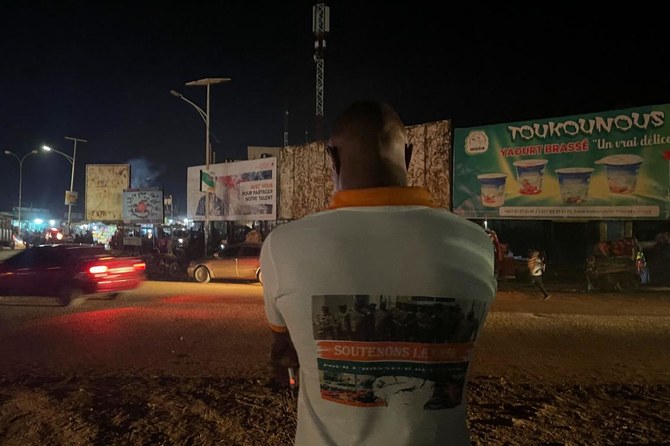
In the dusty alleyways of Niamey’s Boukoki neighborhood, the prospect of an armed intervention by ECOWAS is met with defiance.
“We’re going to fight for this revolution. We’re not going to retreat faced with the enemy, we’re determined,” said Boukoki resident Adama Oumarou.
“We were waiting for this coup for a long time. When it arrived, we breathed a sigh of relief,” she said.
Algeria, itself an economic and military power on the continent which shares a long land border with Niger, has warned against a military solution.
“We categorically refuse any military intervention,” Algerian President Abdelmadjid Tebboune said in a television interview Saturday evening, adding that such action would be “a direct threat to Algeria.”
He stressed “there will be no solution without us (Algeria). We are the first people affected.”
“Algeria shares nearly a thousand kilometers” of border with Niger, he said.
“What is the situation today in countries that have experienced military intervention?” he said, pointing to Libya and Syria.
Former colonial power France, with which Niger’s new rulers broke military ties after taking power, said it would “firmly” back whatever course of action ECOWAS took after the deadline expired.
Niger has played a key part in Western strategies to combat militant insurgencies that have plagued the Sahel since 2012, with France and the United States stationing around 1,500 and 1,000 troops in the country, respectively.
Yet anti-French sentiment in the region is on the rise, while Russian activity, often through the Wagner mercenary group, has grown. Moscow has warned against armed intervention from outside Niger.
Niger, one of the poorest countries in the world, relies heavily on foreign aid that could be pulled if Bazoum is not reinstated as head of state, Paris has warned.
Bazoum, 63, has been held by the coup leaders with his family in his official Niamey residence since July 26.
In a column in The Washington Post on Thursday — his first lengthy statement since his detention — Bazoum said a successful putsch would “have devastating consequences for our country, our region and the entire world.”
Bazoum won an election in 2021 that ushered in Niger’s first-ever transfer of power from one civilian government to another.
Nigeria has cut electricity supplies to its neighbor Niger, raising fears for the humanitarian situation, while Niamey has closed the vast Sahel country’s borders, complicating food deliveries.
Senior Nigerian politicians have urged President Bola Tinubu to reconsider the threatened military intervention.


![]()

Niger military on brink of deadline to reverse coup
Short Url
https://arab.news/n2j88
Niger military on brink of deadline to reverse coup
- ECOWAS bloc had given the troops that toppled President Mohamed Bazoum on July 26 a week to return him to power


Latest updates





© 2026 SAUDI RESEARCH & PUBLISHING COMPANY, All Rights Reserved And subject to Terms of Use Agreement.