

Motawifs reminisce about serving Hajj pilgrims in years gone by

1 / 6
In the past, hajj pilgrims would arrive in ships after a long journey that could take about four to five months. (SPA)
2 / 6
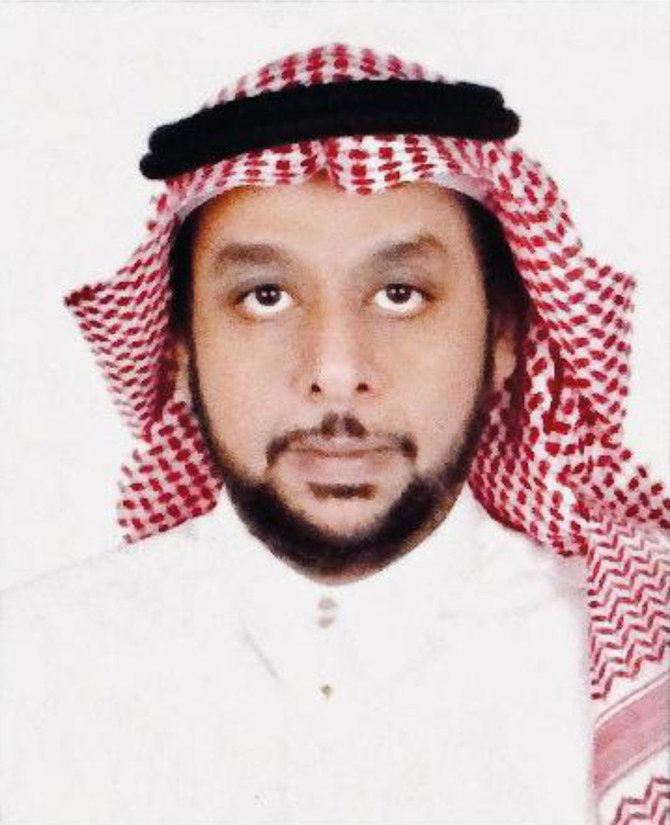
Muttawwif Wejdan Buqas with Malaysian pilgrims after Hajj. (Supplied)
3 / 6
Muttawif Adil Jameel Eid inherited the occupation from his father and grandfather. (Supplied)
4 / 6
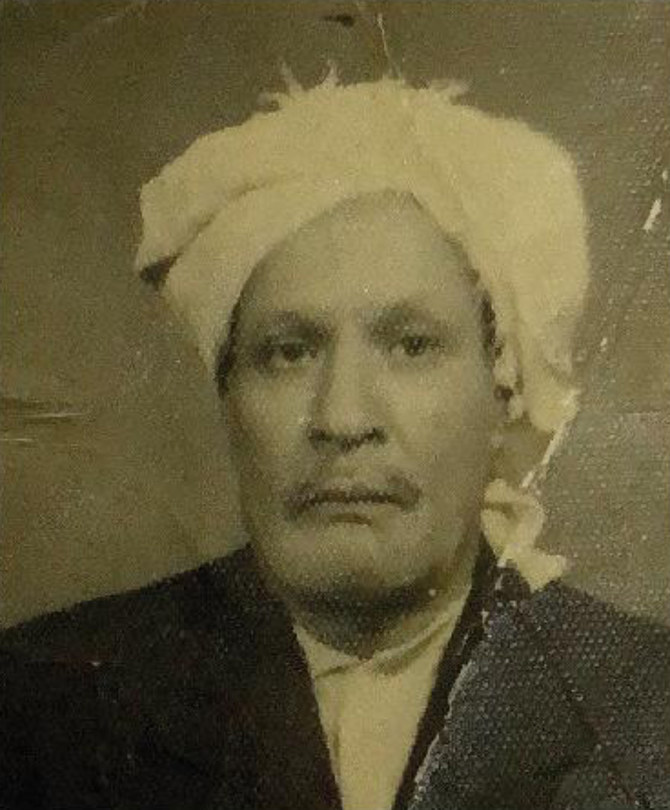
Picture of the Mutawwif, Shiekh Hamza Eid, the Mutawwif of southeast Asia. (Supplied)
5 / 6
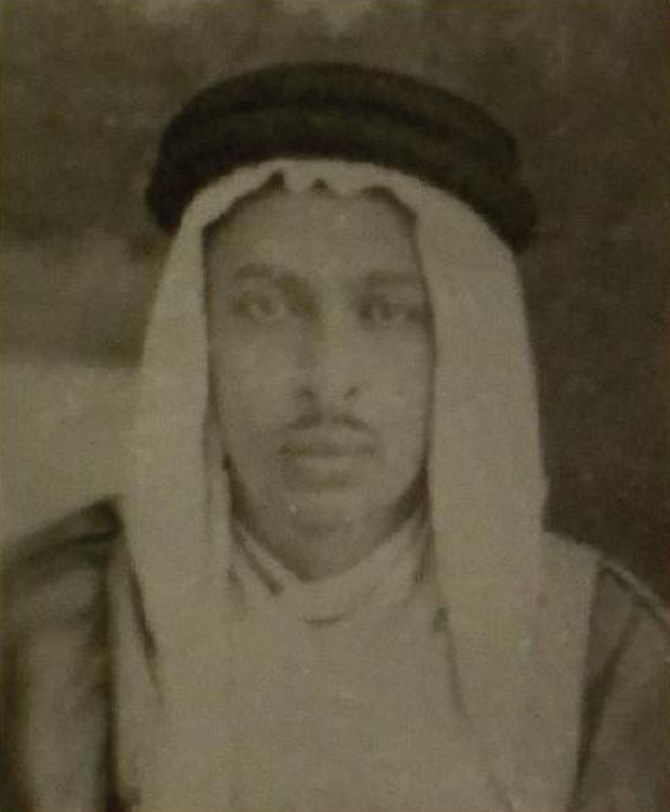
Picture of the Mutawwif, Shiekh Abdulrahman Eid, the Mutawwif of southeast Asia. (Supplied)
6 / 6
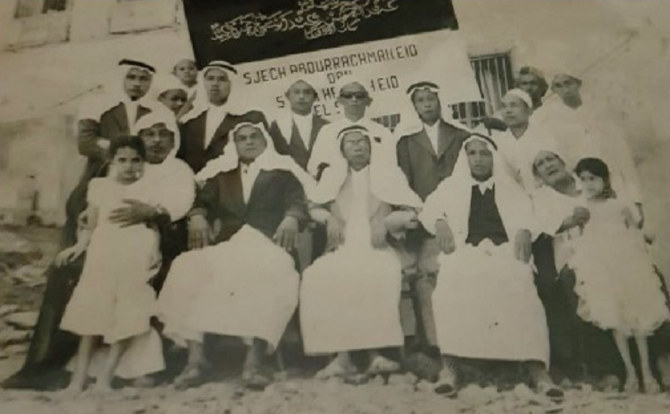
Hayyat Eid, the girl on the right, with her Muttawwif family. (Supplied)
Short Url
Updated 26 June 2023
Follow

Motawifs reminisce about serving Hajj pilgrims in years gone by

  • Motawif — a guide and general service provider who assists and cares for Hajj pilgrims — is an age-old role that was traditionally passed down from one generation of a family to the next
  • One Mowatif told Arab News that what was once a position held by individuals has now become an institutional role

RIYADH: Hayat Eid, a Saudi former Motawif, recalled how in days gone by she would dress up in her most beautiful clothes and burn incense throughout her house as she prepared to welcome Hajj pilgrims, many of whom had traveled very long distances in the days before air travel was common.

Motawif — the name for the guides and general service providers who assist and care for Hajj pilgrims — is an age-old role that was traditionally passed down from one generation of a family to the next.

Eid’s grandfather, for example, rented buildings, cleaned them and offered accommodation in them to pilgrims. He also hired supervisors and translators to assist the visitors. The job was passed down to his son, Eid’s father.
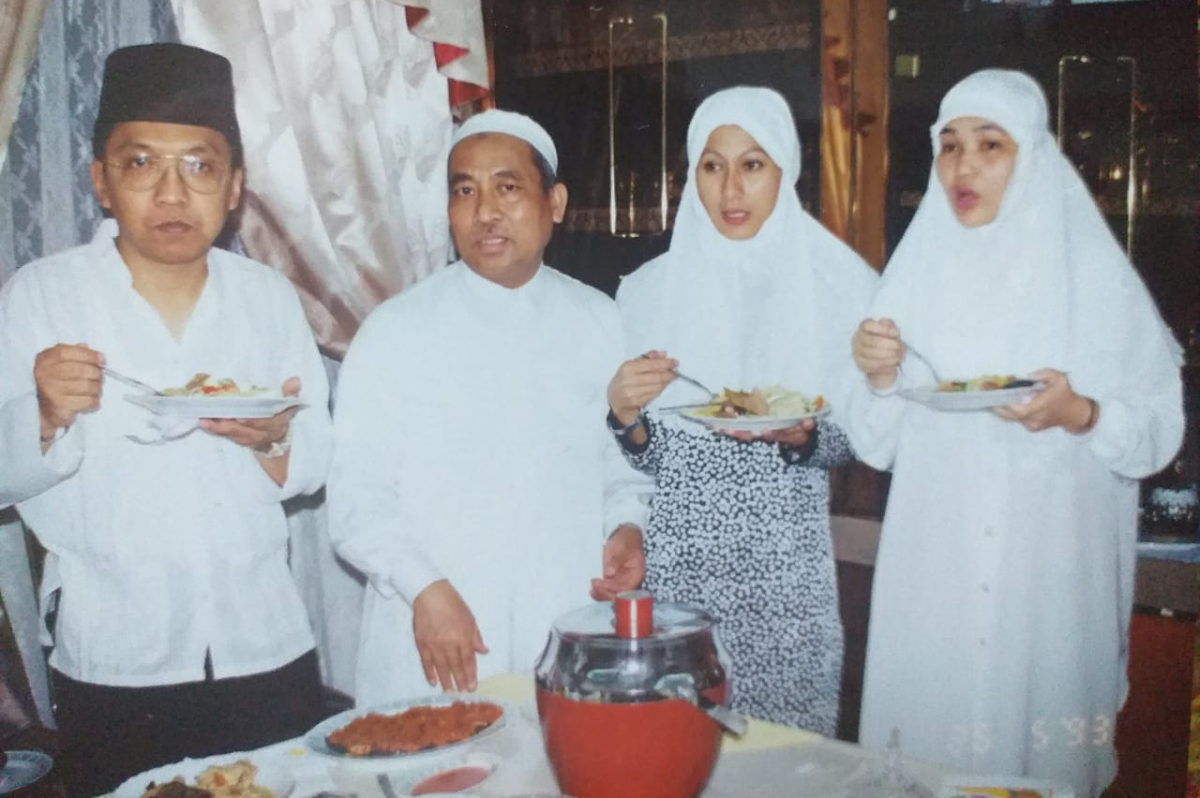


Abdulrazzaq lulu Buqas with hajj pilgrims he hosted in his home, in a picture taken in may, 1993. (Supplied)

“My father, Jamil Abdulrahman Eid, was the ‘sheikh’ of the pilgrims of Southeast Asia,” she said, referring to the tradition of pilgrims referring to Mowatifs as “sheikhs.”

“My grandfather and grandmother were also among the Motawif and (my grandfather) was ‘the sheikh of Java,’ that is, the sheikh who receives the pilgrims from Java, Indonesia. After my grandparents died, my father rose to the (position of) Motawif.”

Reminiscing about those days in the 1960s and 1970s, Eid, who is now in her 50s and retired, said that pilgrims would send letters to her family asking to stay with the “sheikh” in his house.
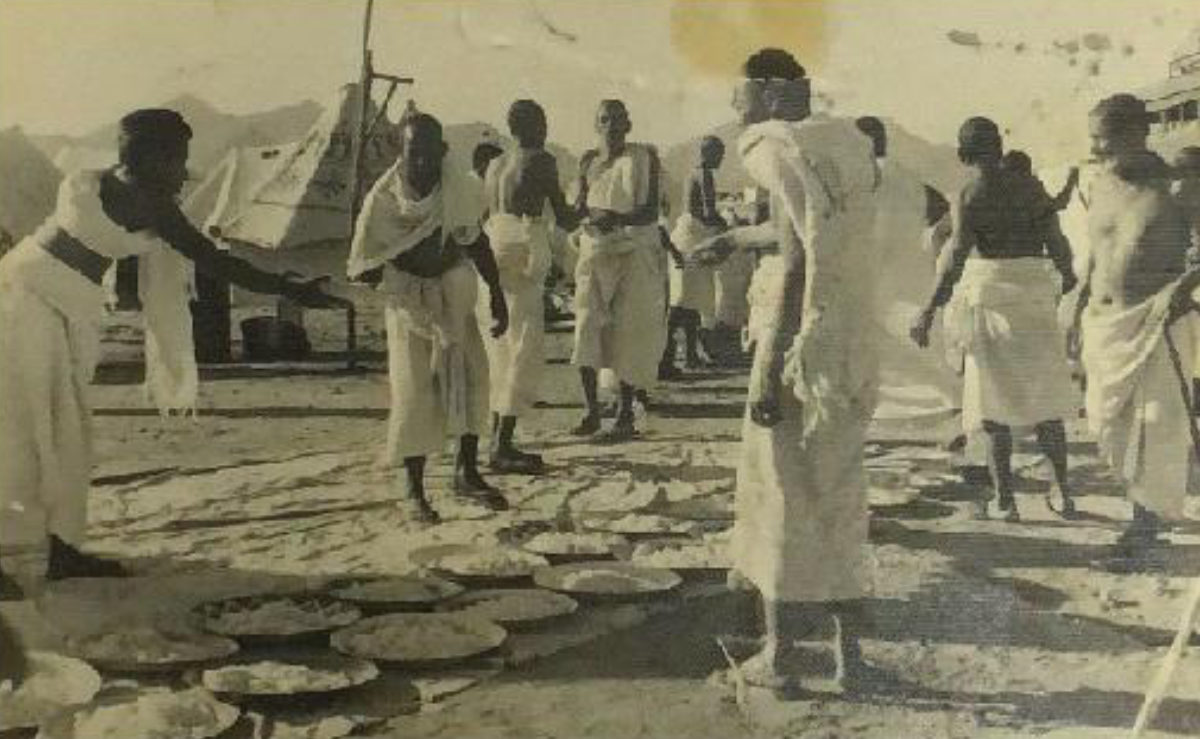


Eid family preparing feasts for pilgrims. (Supplied)

“The sheikh explained to them the rituals of Hajj and what they should do (and) take them to the Grand Mosque and return home with them so that they did not get lost,” she added.

Her brother, Adel Eid, said the role of the Motawif was an individual position in the past but has now become an institutional role.

HIGHLIGHTS

• Motawif are guides and general service providers who assist and care for Hajj pilgrims.

• The position, which was once held by individuals and passed from one generation to the next, is now an institutional role.

• Each Motawif was assigned a certain number of pilgrims based on ability; some could serve only 100, others could cope with 1,000.

• They were required to speak the pilgrims’ language or hire interpreters.

“Each Motawif used to serve the pilgrims by himself,” he said. “They would travel to (the pilgrims’) country and market their services … they were also required to be able to speak (the pilgrims’) language well.”
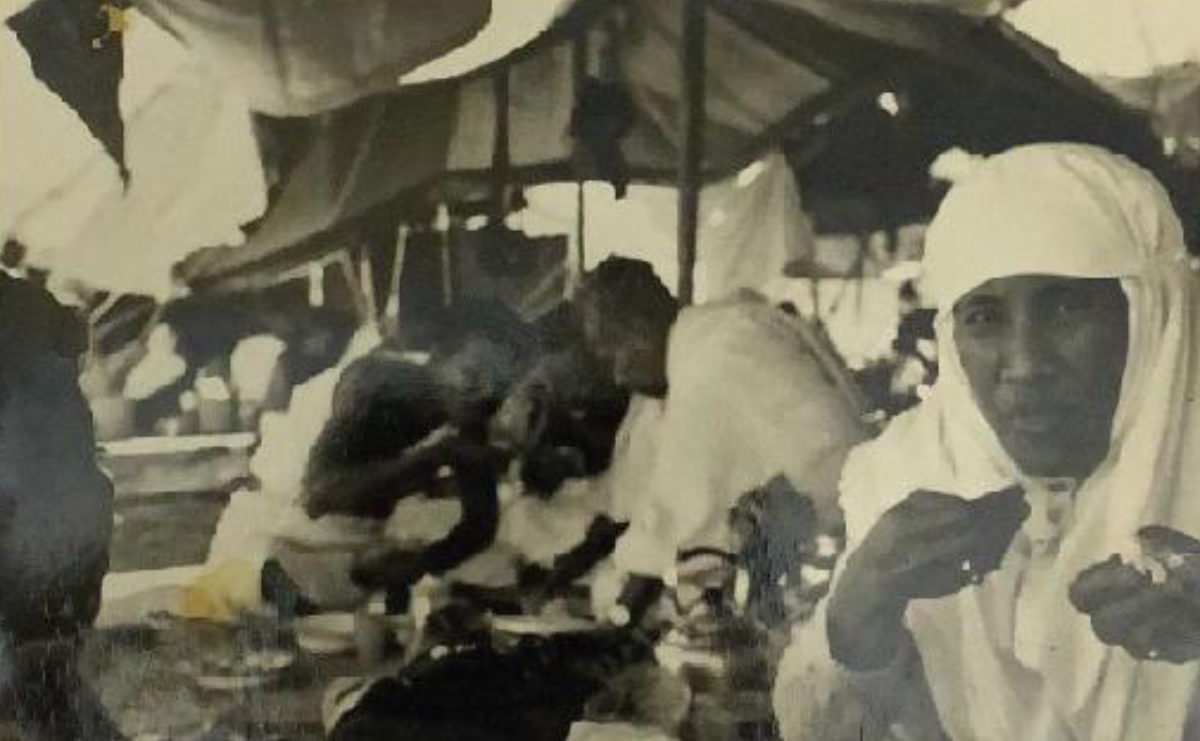


Some of the pilgrims having lunch. (Supplied)

Each Motawif was assigned a certain number of pilgrims based on ability; some could serve only 100, others could cope with 1,000.

Because the Eids assisted pilgrims from Indonesia, they learned the Malay language and about the spices and food their visitors preferred, so that they could make the pilgrims feel as much as home as possible in Makkah.

Adel, who is in his 60s and also retired, said that the pilgrims’ journeys to the Kingdom, mostly on ships, could take four or five months. After docking in Jeddah, they would board buses to Makkah. In most cases, they would be led during their journeys by a Motawif.
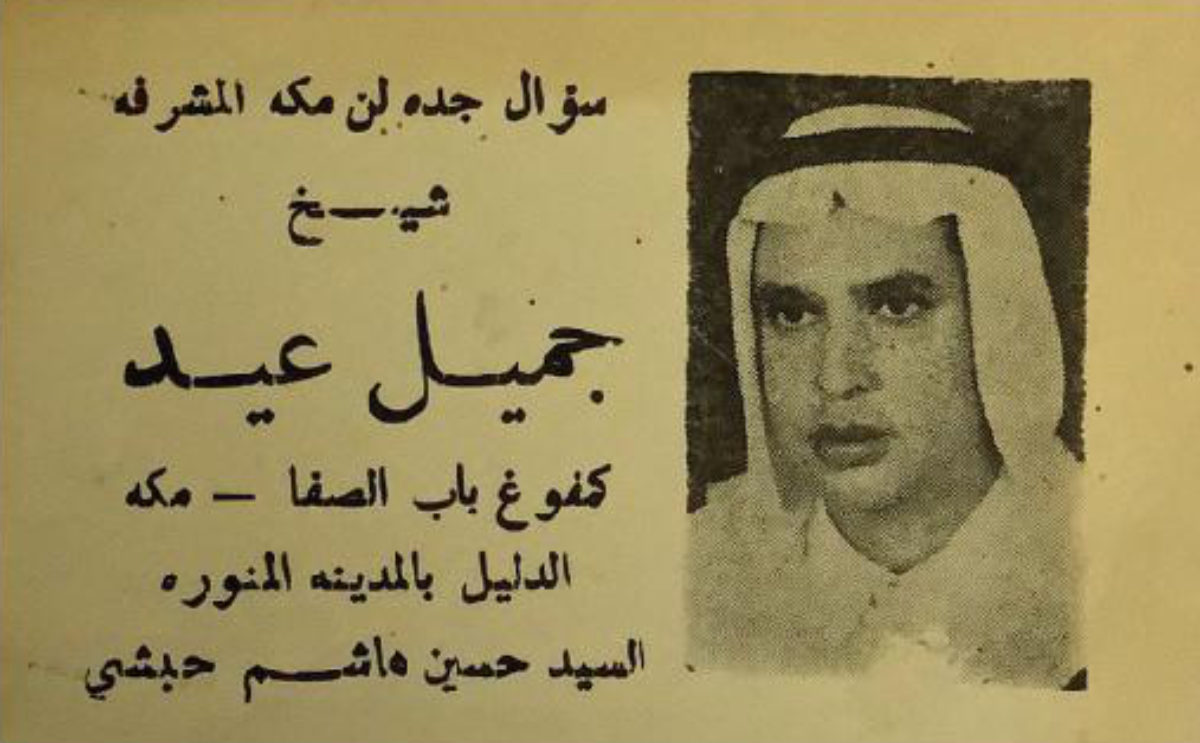


A historical motawif identity card belonging to Jamil Abdulrahman Eid, the ‘sheikh’ of Southeast Asian pilgrims. (Supplied)

“Hajj is for those who can afford it, so pilgrims would sell what they had to perform Hajj,” Adel said. “They would come loaded with things to sell in Makkah, such as clothes, sheets, food and gold.”

Wijdan Abdulrazzaq Lulu Buqas, 46, similarly inherited the profession of Motawif. She is also fluent in Malay, having learned it from her father and grandfather. But some nationalities prove more challenging than others.

“We would circumambulate with pilgrims from Southeast Asia and speak their language to serve them but the Chinese language was difficult, and so we brought a translator for the Chinese pilgrims,” she said.
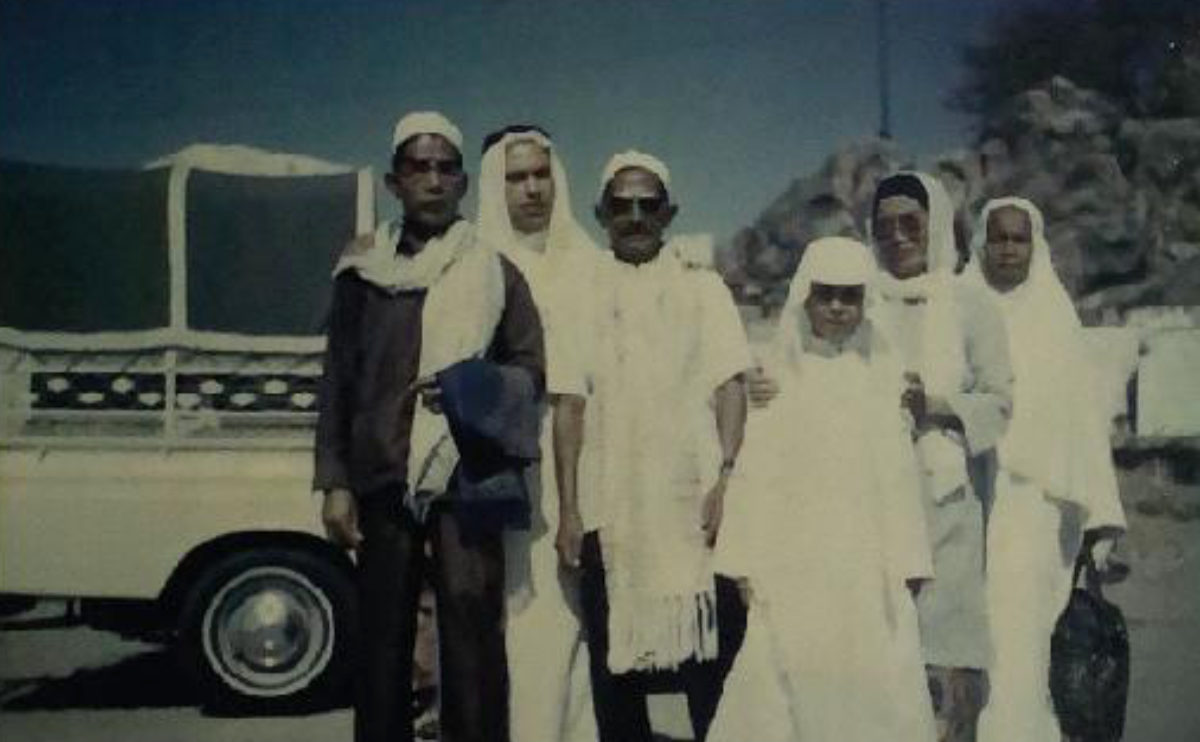


Some pilgrims having an exploring trip around the rituals of Hajj in Makkah. (Supplied)

Some pilgrims bring gold or pearls to give the Motawif as a gift on Eid Al-Adha, Buqas said. Her father, Abdulrazzaq Lulu Buqas, added “Lulu,” the word for pearls in Arabic, to his name to commemorate these gifts from pilgrims.

One “unforgettable situation” that Buqas, who still works as a Motawif, recalls occurred when she met a pregnant woman, in her third trimester, who showed signs of fatigue.

“When I saw the suffering of the pregnant woman we took her to the hospital where she delivered safely,” she said.
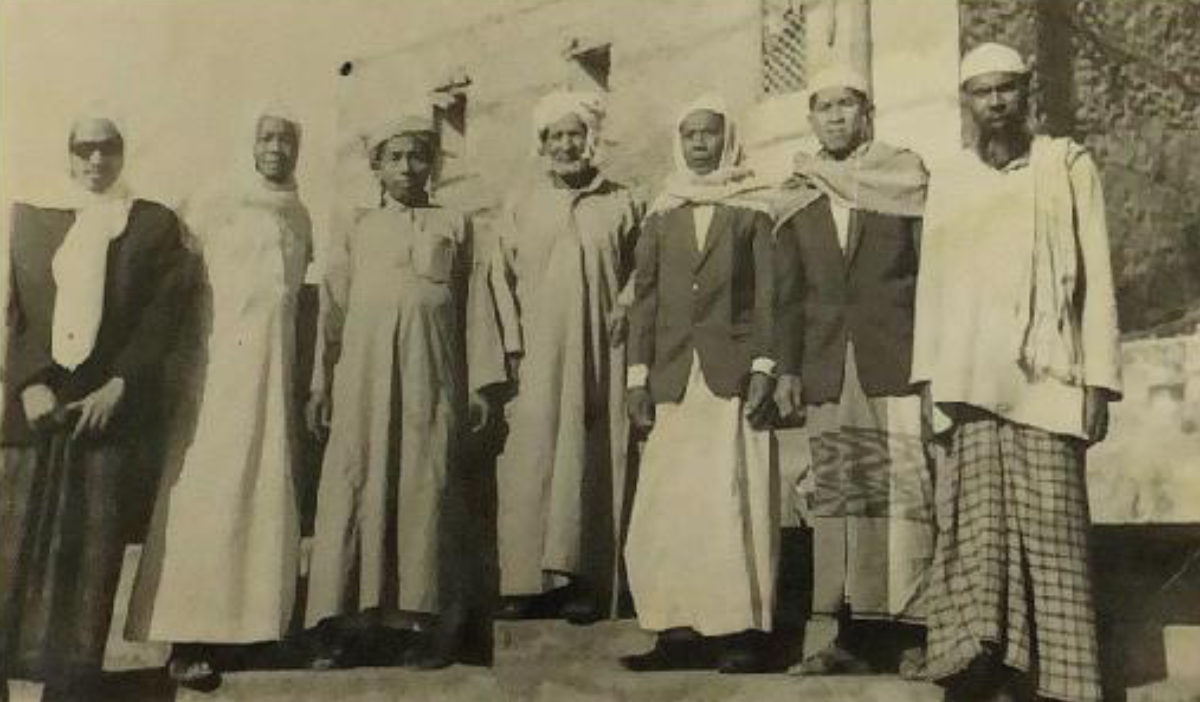


Picture of pilgrims in front of the accommodation in the 70's. (Supplied)

“I asked her why she came when she was pregnant and she told me that she had applied for Hajj and had been waiting for this opportunity for 20 years, and if she had not come, she would have lost her chance forever. That is why she decided to perform Hajj and complete the fifth pillar of Islam.”

Buqas said that she has witnessed great changes, for the better, in the Hajj experience over the years.

“The difference between Hajj in the past and in modern times is very big because previously there were more difficulties and challenges,” said Buqas. “It would take months to arrange it but today, it takes only hours … thanks to the great efforts by the Saudi (leadership).”


Balad Beast brings global beats to historic streets

Updated 31 January 2026
Follow

Balad Beast brings global beats to historic streets

  • ‘MDLBEAST put us on the international map,’ say Saudi electronic duo Dish Dash

JEDDAH: The music festival Balad Beast concluded its fourth edition this weekend, having transformed Jeddah’s UNESCO World Heritage district of Al-Balad into an open-air celebration of music, culture and creativity that attracted thousands of music lovers over two nights.

The festival, organized by Saudi music platform MDLBEAST, featured more than 70 local, regional and international artists across four stages, offering audiences a diverse journey through electronic, hip-hop and global sounds.

French Haitian singer-songwriter Naïka performed on the second night of Balad Beast. (Supplied)

Speaking to Arab News, MDLBEAST chief creative officer Ahmad Al-Ammary, also known as DJ Baloo, described Balad Beast as a “cultural takeover” adding that finding the right spaces for dance floors was a challenge, “but Balad is constantly evolving and we work with that change.”

Addressing the challenges of working in a heritage area, he said: “Balad is sensitive and condensed, so logistics can be complex. In our first year, heavy rain flooded one of the planned squares and we had to relocate the Souq Stage to a much smaller space, but it worked and it has remained there ever since.

HIGHLIGHT

Reggae superstar Shaggy noted that the reality of playing live in Saudi Arabia often surprises those who arrive with preconceptions.

“Yes, the alleys are narrow and the district is old, but they’re full of ideas, patterns, colors and visuals. Everything flows here,” he continued. “As a festival, it’s hard to define Balad, because it gives so much of itself creatively. It’s incredibly generous with its ideas and details, and inspiration comes from everywhere.”

Balad Beast featured more than 70 local, regional and international artists across four stages, offering audiences a diverse journey through electronic, hip-hop and global sounds. (Supplied)

Balad Beast featured performances from international artists including US rapper Playboi Carti, making his first appearance in Saudi Arabia; US rapper Destroy Lonely; Swedish DJ and producer Alesso; and Bosnian-German DJ Solomun on the opening night. The following night saw French-Haitian singer-songwriter Naïka, reggae superstar Shaggy, Dutch DJ Franky Rizardo, British DJ Pawsa, and US rapper Tyga, and more take the stage, while Saudi and regional artists including Cosmicat, TUL8TE, Zeina, Vinyl Mode, Moayed, Dish Dash, Musab, Varoo and HiFi appeared across the festival, offering audiences a mix of global and local talent.

Saudi electronic duo Dish Dash reflected on the festival organizer’s impact for local artists.

As a festival, it’s hard to define Balad, because it gives so much of itself creatively. It’s incredibly generous with its ideas and details, and inspiration comes from everywhere.

Ahmad Al-Ammary, MDLBEAST chief creative officer

“MDLBEAST put us on the international map,” the brothers told Arab News. “It helped us get recognized by festivals, promoters and event organizers abroad. When we travel, people don’t expect this level of talent coming from Saudi Arabia, especially considering we didn’t have this scene before.”

Shaggy, who performed a hit-filled set during the festival, told Arab News: “I’ve been blessed with some incredible songs, and I see music as a gift and a tool for service. When I go on stage, I’m there to entertain people, to make them smile and feel good, but that service also supports many livelihoods from the people working at this festival to those who work with me. These songs have become part of people’s lives, and I don’t take that lightly.”

Balad Beast featured more than 70 local, regional and international artists across four stages, offering audiences a diverse journey through electronic, hip-hop and global sounds. (Supplied)

Shaggy also noted that the reality of playing live in Saudi Arabia often surprises those who arrive with preconceptions.

“I’ve performed in Saudi Arabia more than once, and while there are certain rules that are different, it’s not an issue for me. My focus is always on delivering the hits and giving the audience a great time,” he said.

“There’s a big misconception. People have more freedom than (outsiders) think. Everyone has been extremely nice.”

Asked what advice he would offer to aspiring artists, Shaggy said: “Understand that what you’re given is a gift and a form of service. Stay humble, do the work, and remember why you’re doing it.”

As Al-Ammary noted, there are many such aspiring artists now making a name for themselves in the Kingdom.

“Talent is emerging everywhere, at different levels,” he said. “The scene is still in a mysterious and surprising phase. There’s a rawness to it.”