Hajj pilgrims receive gifts embodying Saudi Arabia’s artistic heritage

1 / 3
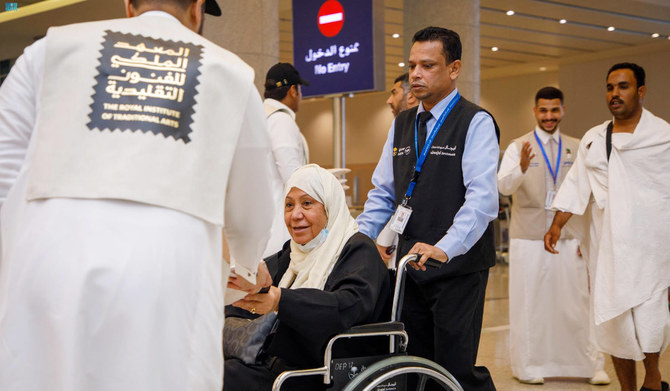
At reception sites, such as the Haramain High-Speed Railway in Jeddah and the King Abdulaziz International Airport in Jeddah, gifts were given out, including prayer mats. (SPA)
2 / 3
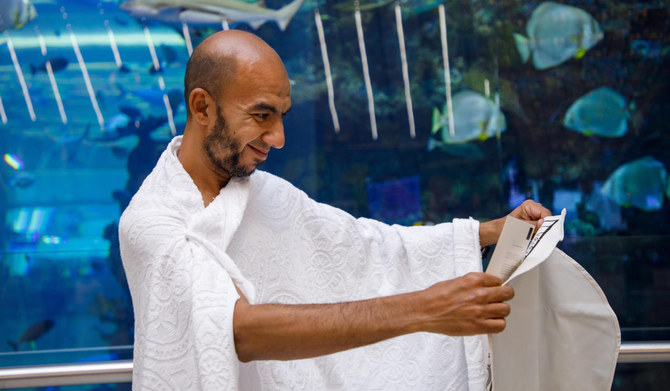
At reception sites, such as the Haramain High-Speed Railway in Jeddah and the King Abdulaziz International Airport in Jeddah, gifts were given out, including prayer mats. (SPA)
3 / 3
At reception sites, such as the Haramain High-Speed Railway in Jeddah and the King Abdulaziz International Airport in Jeddah, gifts were given out, including prayer mats. (SPA)
Short Url
Updated 25 June 2023
Follow

Hajj pilgrims receive gifts embodying Saudi Arabia’s artistic heritage

  • Prayer mat designs incorporated traditional Saudi arts, including Arabic calligraphy

MAKKAH: The Royal Institute for Traditional Arts collaborated with the Ministry of Hajj and Umrah to distribute special gifts to pilgrims that represent the cultural heritage and artistic richness of Saudi Arabia.

Gifts, which included prayer mats, were given out at reception sites, such as King Abdulaziz International Airport in Jeddah and the Haramain High-Speed Railway, owned by Saudi Arabia Railways.
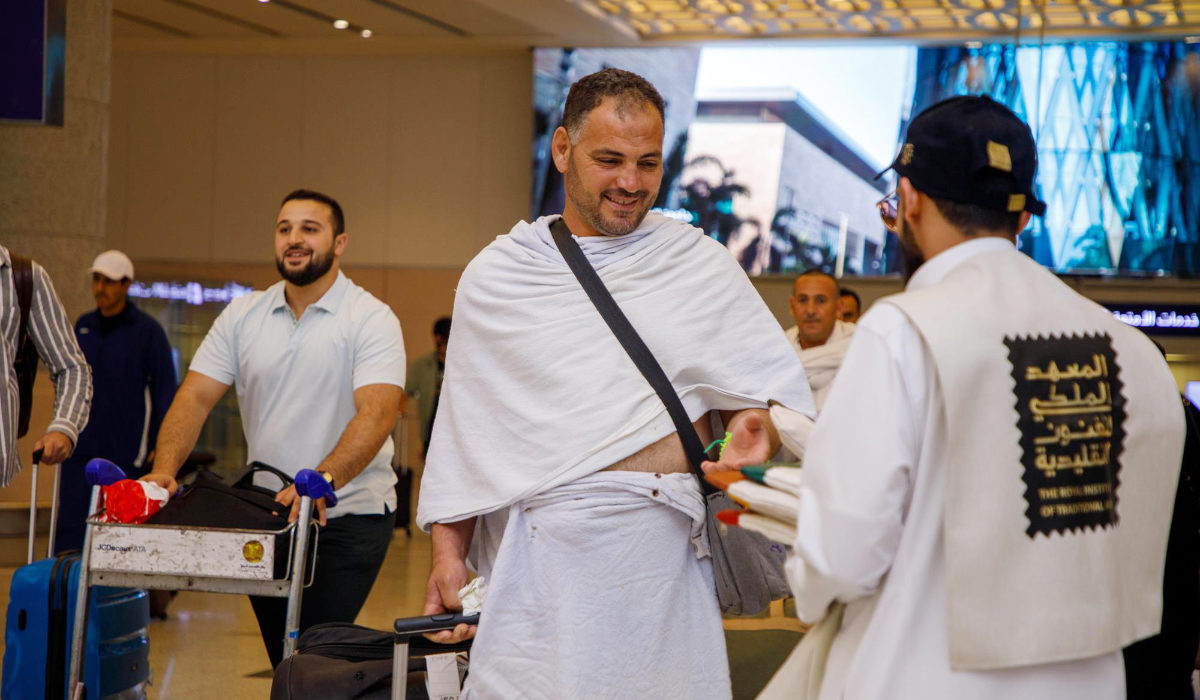


At reception sites, such as the Haramain High-Speed Railway in Jeddah and the King Abdulaziz International Airport in Jeddah, gifts were given out, including prayer mats. (SPA)

Prayer mat designs incorporated traditional Saudi arts, including Arabic calligraphy.

Designs also included geometric patterns of Al-Qatt Al-Asiri art and were inspired by wicker art, which uses raw materials from palm trees, adding a natural touch.

The mats also featured ornamental designs found on Najdi wooden doors, including botanical and geometric patterns, as well as balcony designs with shapes representing the desert environment, adding a unique element.


Over 4.8m captagon pills found hidden in Jeddah charcoal shipment

Updated 09 January 2026
Follow

Over 4.8m captagon pills found hidden in Jeddah charcoal shipment

  • Captagon is an addictive, amphetamine-type stimulant that is mass-produced in illicit factories

RIYADH: Saudi Arabia’s Zakat, Tax and Customs Authority foiled an attempt to smuggle more than 4.8 million captagon pills through Jeddah’s port, hidden inside a shipment of charcoal.

The authority’s spokesperson Hamoud Al-Harbi said that a shipment arrived at the port, which, after being assessed by customs authorities, was found to contain a large amount of the illicit drug, hidden inside charcoal bags, the Saudi Press Agency reported.

After the pills were seized, the authority coordinated with the General Directorate of Narcotics Control to ensure that the intended recipients were arrested.

Al-Harbi added that ZATCA is working to tighten customs control on Saudi imports and exports and stands ready to combat smuggling.

He called on members of the public to contribute to the fight against smuggling.

ZATCA may be contacted for security reports by phone from inside the Kingdom at 1910, outside the Kingdom at +9661910, or by email at [email protected].

The authority receives reports related to smuggling crimes and violations of the customs system in complete confidentiality and offers financial rewards to any reports that are accurate.

Captagon is an addictive, amphetamine-type stimulant that is mass-produced in illicit factories.

It is simple to produce compared to other narcotics, and drug smugglers have found a market for the substance in the Gulf states.

Syria under Bashar Assad was one of the largest producers of captagon in the region.

When his government was overthrown in December 2024, one of the first steps taken by the new President Ahmed Al-Sharaa was to crack down on the production of captagon in Syria.