GENEVA: A United Nations expert voiced alarm Thursday over alleged widespread torture by Russian military forces in Ukraine, saying it pointed to “state-endorsed” abuse.
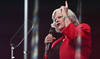
The UN Special Rapporteur on Torture, Alice Jill Edwards, said the alleged victims included both Ukrainian civilians and prisoners of war, adding that she had written to Moscow about this.
She cited reports and testimonies that torture was being consistently used to extract intelligence, to force confessions or used to punish former membership or support of Ukrainian armed forces.
“The alleged practices include electric shocks, beatings, hooding, mock executions and other threats of death,” she said in a statement.
“If established, they... may also amount to a pattern of state-endorsed torture.”
Those allegedly tortured were often held in “grossly inadequate conditions” in facilities run by Russian forces inside Ukraine after Moscow invaded in February last year, the statement said.
It detailed how the alleged torture had left people suffering from things like hallucinations, damage to internal organs, fractures and cracks in bones and strokes.
Edwards said she and other UN rights experts had voiced their concerns in a letter to Moscow.
In the letter, she said the consistency and methods of the alleged torture suggests “a level of coordination, planning and organization, as well as the direct authorization, deliberate policy or official tolerance from superior authorities.”
Edwards and other special rapporteurs are independent rights experts appointed by the UN Human Rights Council, but who do not speak on behalf of the UN.
“Torture is a war crime, and the systematic or widespread practice of torture constitutes a crime against humanity,” Edwards warned.
“Obeying a superior order or policy direction cannot be invoked as justification for torture, and any individual involved should be promptly investigated and prosecuted by independent authorities.”
Edwards said she planned to conduct a fact-finding mission to Ukraine later this year.
“The longer the war goes on, the more reports are emerging of torture and other inhuman treatment,” Edwards said.
“I strongly urge relevant authorities to ensure that civilians and prisoners of war are protected and treated humanely at all times.”


![]()

UN expert concerned over Russian state-backed torture in Ukraine

Short Url
https://arab.news/7my7s
UN expert concerned over Russian state-backed torture in Ukraine
- The UN Special Rapporteur on Torture, Alice Jill Edwards, said the alleged victims included both Ukrainian civilians and prisoners of war
- "The alleged practices include electric shocks, beatings, hooding, mock executions and other threats of death," she said in a statement


Latest updates




© 2026 SAUDI RESEARCH & PUBLISHING COMPANY, All Rights Reserved And subject to Terms of Use Agreement.