
JEDDAH: The sun was directly over Jeddah’s sprawling cityscape, casting a warm orange glow as a group of men gathered in an empty lot.
They were in casual attire, with some wearing cricket jerseys and others in traditional shalwar kameez outfits. The sound of lively chatter and laughter filled the air as they set up for a tape-ball cricket game.
The men worked together to mark out a makeshift pitch on the dusty plot, using chalk to draw the boundaries and creases. As the preparations continued, the players took turns to warm up their arms by throwing the ball to each other.
The tape ball is a tennis ball covered in electrical tape, which makes it easier to grip and swing — similar to a traditional cricket ball. It is a popular choice for informal games played on streets, in parks, and other open spaces.
Meanwhile, a small group of spectators had gathered on the sidelines, eager to watch the game unfold. They chatted amongst themselves, discussing the players’ skills, and making predictions on who would win.
The game was about to begin.
For many Saudis, Fridays are a time to unwind, catch up on sleep, and enjoy traditional meals with loved ones. However, for many expats living in Saudi Arabia, Fridays can look quite different. Those from Pakistan, India and Bangladesh often use their Fridays to pursue hobbies, which by in large seems to be cricket.
It is estimated that there are approximately 7.5 million expats from cricket-playing nations residing in the Kingdom of Saudi Arabia. These expats use the beloved game as means to stay connected with their home countries and cultures.
Furthermore, cricket provides them with a sense of familiarity and comfort in a foreign land and allows them to bond with fellow expats over a shared passion for the sport.
Mohammed Hassan, a 27-year-old IT professional, captured his passion for the game by saying: “Playing cricket on Fridays is like a breath of fresh air for me. It’s a chance to forget about work and the stresses of daily life and to just enjoy the game with my friends. We play on empty plots of land or in parks, wherever we can find a space.”
Most players are forced to play on empty plots of land and makeshift fields, as there are few dedicated cricket facilities available in the country. This is particularly true in smaller towns and cities, where there may be little to no cricket infrastructure at all. However, despite all these challenges, expats have continued to play cricket in Saudi Arabia and have even formed their own community-led leagues and tournaments.
The transformation of the Saudi Arabian Cricket Federation under the patronage of Prince Saud bin Mishal Al-Saud has had a significant impact on the development of the sport across the country.
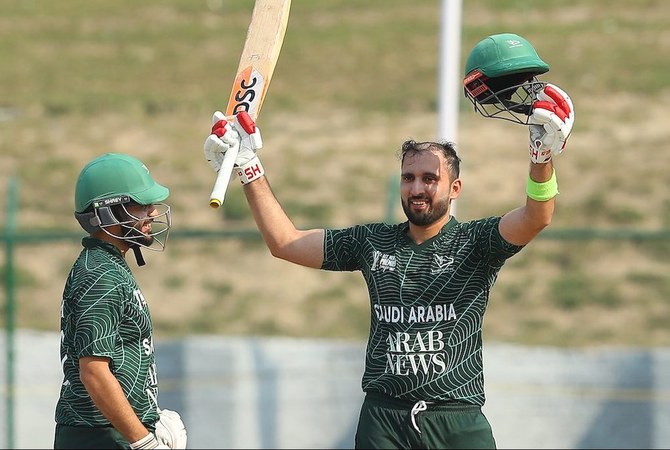
The SACF has established goals of promoting and developing cricket throughout the country and has made significant progress. This was highlighted when the Saudi National Cricket team won the inaugural 2023 ACC Men’s Challenger Cup in Bangkok.
Winning this tournament has put Saudi Arabia on the map as a rising cricketing nation. This exposure could lead to greater interest and investment in the sport, which will have a positive impact on the local cricket community.
The SACF’s CEO Tariq Sagga was recently quoted by Arab News as saying that this year participation would exceed 50,000 in cricket-related activities in the Kingdom. These initiatives not only affect the cricket-loving expat community but also provides an alternative sport for the local Saudi population.
Sagga has said in the past that most Saudis have a perception of cricket as being a dangerous street sport that is unorganized and often played in risky places. “We need to change this perception first,” he said.
In recent years, cricket has become a lucrative sport due to the rise of franchise leagues. A prime example of this comes from the Indian Premier League which manages to raise billions of dollars in revenue each year. Having already invested heavily in other sports such as LIV Golf and football, Saudi Arabia has already made headlines around the world for a proposed cricket league, as part of the International Cricket Council.
“Given their advance into sport more generally, cricket would work quite well for Saudi Arabia,” ICC chairman Greg Barclay recently told Australian news outlet The Age.
“Our aim is to create a sustainable industry for locals and expats living in the Kingdom and make Saudi Arabia a global cricketing destination,” Prince Saud told Arab News recently.
By providing a legitimate structure and well-fitted cricket facilities, the SACF has been able to positively affect the game. By investing in local talent, building strong partnerships with the ICC, and promoting the sport as a means of social cohesion, the federation has helped to raise the profile of cricket in the country and created opportunities for players of all levels to compete and enhance their skills.
Cricket can be a powerful force for bringing people together, breaking down cultural barriers, and building bridges between different communities.
Whether it is through playing the sport itself or simply coming together to watch a match, cricket can help to promote a greater sense of unity, understanding, and shared purpose in Saudi Arabia.