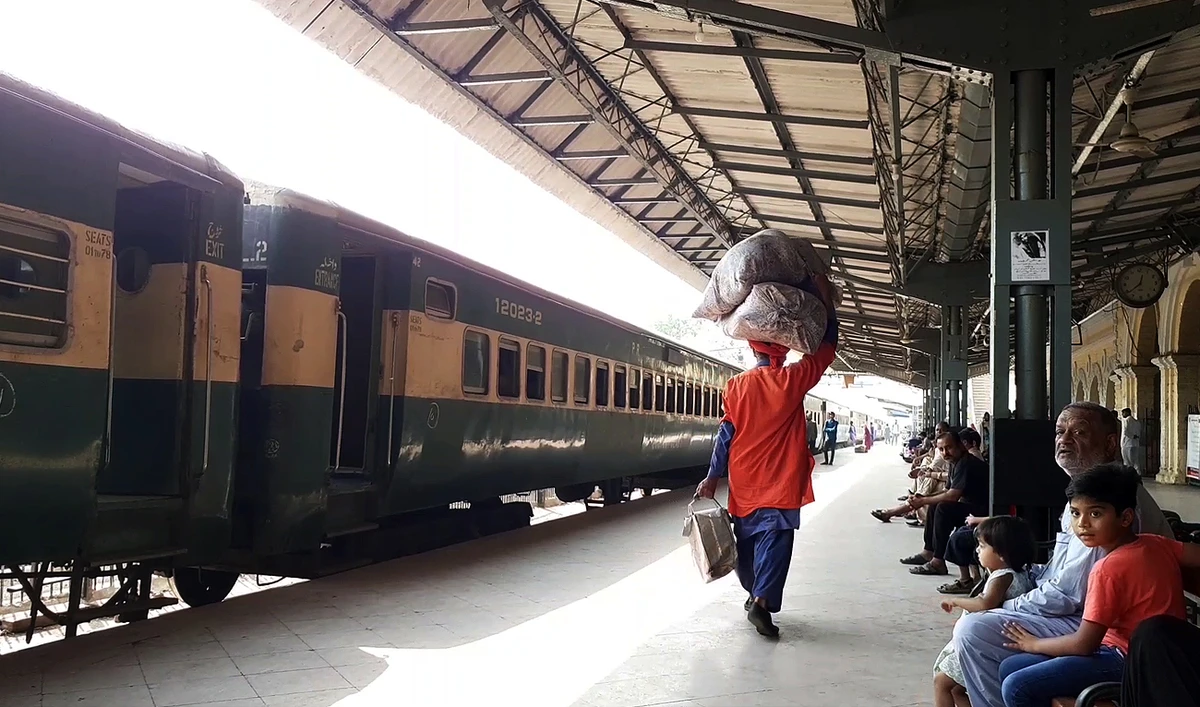
- Thar Express, established by British in 1892, ran between town of Jodhpur in India’s Rajasthan and Karachi in Pakistan
- The service was suspended in 2019 when Pakistan downgraded diplomatic relations with India and suspended trade
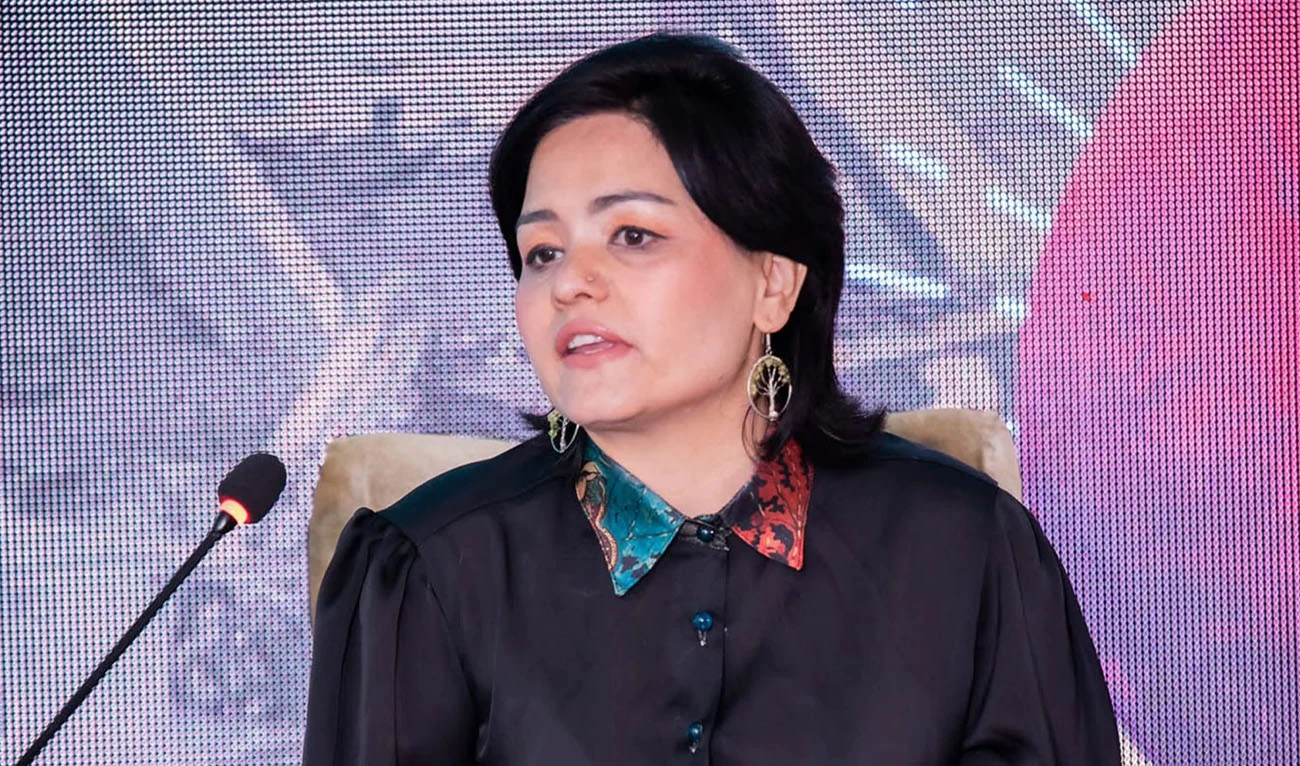
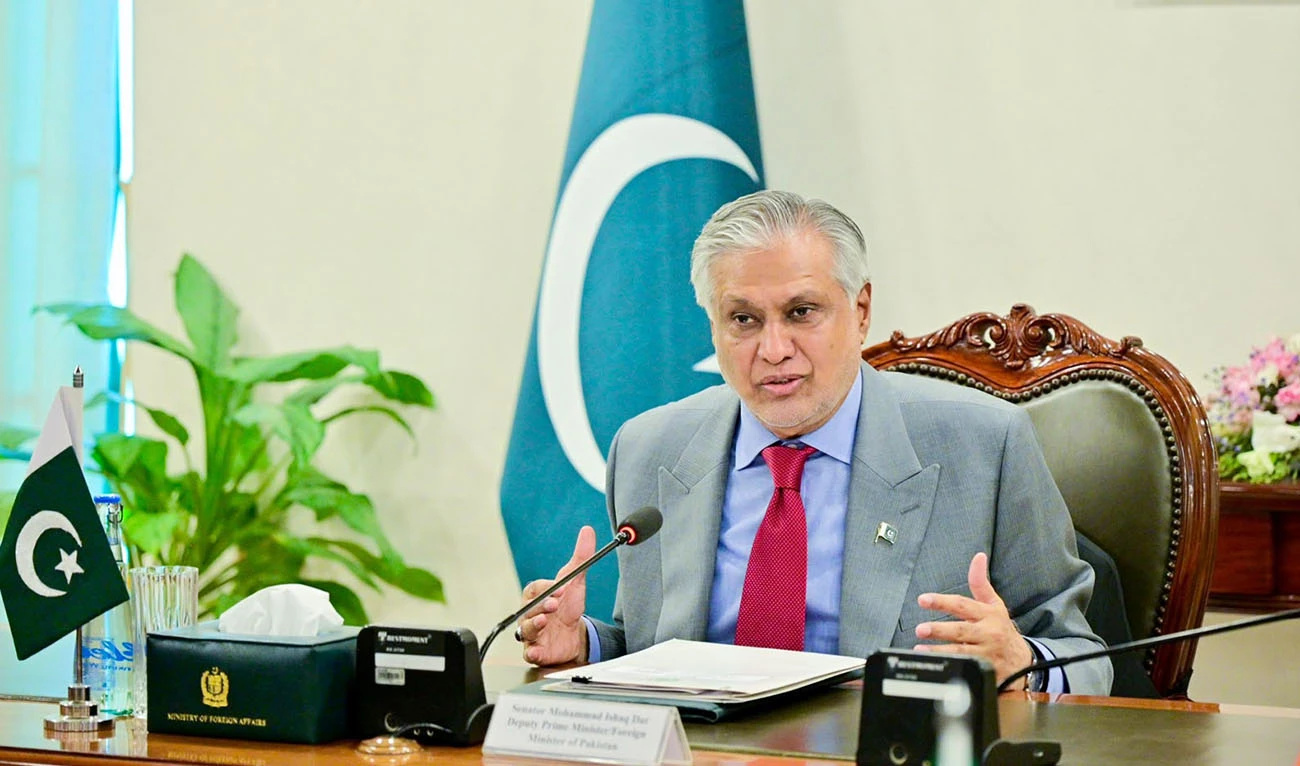
UMERKOT, Sindh: Pakistani foreign minister Bilawal Bhutto-Zardari’s arrival in India this week for a regional summit has rekindled hopes among many Pakistani Hindus that the Thar Express, a passenger train service that allowed them to travel across the border and meet their families, might be resumed.
Over 75 years after the end of British rule and the Partition of the Indian subcontinent, relations between India and Pakistan are as broken as ever.
The partition of colonial India into two states, mainly Hindu India and mostly Muslim Pakistan, at the end of British rule triggered one of the biggest mass migrations in history. About 15 million Muslims, Hindus and Sikhs swapped countries in the political upheaval, marred by violence and bloodshed that cost more than a million lives.
India and Pakistan have fought three wars since then, two of them over the disputed Kashmir region, and relations remain tense. They rarely grant visas to each other’s citizens, making visits nearly impossible. Among the rare routes of travel was the Thar Express, which was established by the British in 1892 and ran from the town of Jodhpur in Rajasthan, India, to Karachi in Pakistan’s Sindh province via the Khokhrapar-Munabao border.
The Thar Express continued until the India-Pakistan war of 1965 when the route was first shut down. It reopened in 2006 after a gap of 41 years but was suspended indefinitely once more in 2019 when Pakistan downgraded its diplomatic relations with India and suspended bilateral trade after New Delhi stripped its portion of the contested Kashmir region of special status.
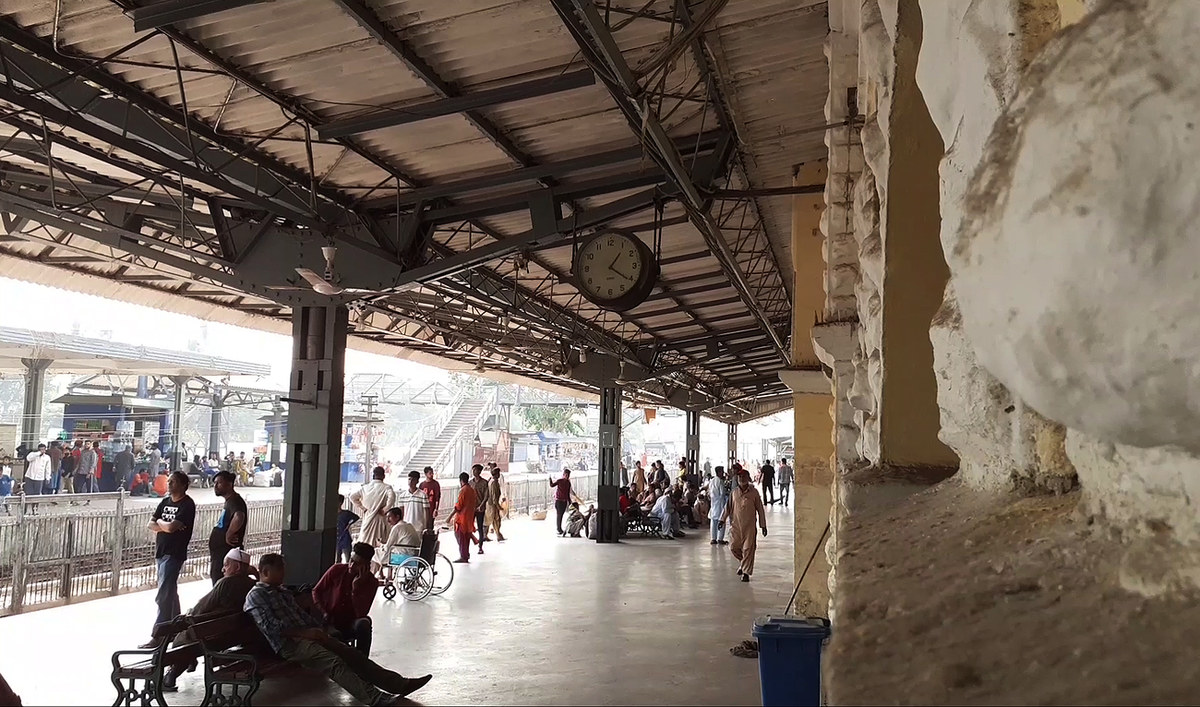
Now, as Bhutto-Zardari attends the Shanghai Cooperation Organization (SCO) Council of Foreign Ministers summit in Goa, Pakistani Hindus like Moolchand Khatri, an accountant in Pakistan’s southern desert city of Umerkot, are hoping Thar Express may also be on the agenda for talks.
No bilateral meeting between Pakistani and Indian officials is so far scheduled in Goa and it is unlikely one will take place.
“Over the past four years we have made our passports to visit my sister but we could not afford to go to India via the Wagah-Attari border [in northern Punjab] because it is far from Umerkot,” Khatri, 35, told Arab News, saying he had not met his sister, who lives in Jodhpur, in 27 years.
“Only the Thar Express was an easy and cheap commute for us. Now we are hoping that our foreign minister’s visit to India will bring good news for the restoration of the Thar Express.”
Khatri was eight years old when his sister migrated from Pakistan to India after her marriage. Before the advent of the Internet, making contact was difficult.
“Now at least we can see each other on video call,” Khatri said, lamenting that his sister had only seen his children virtually.
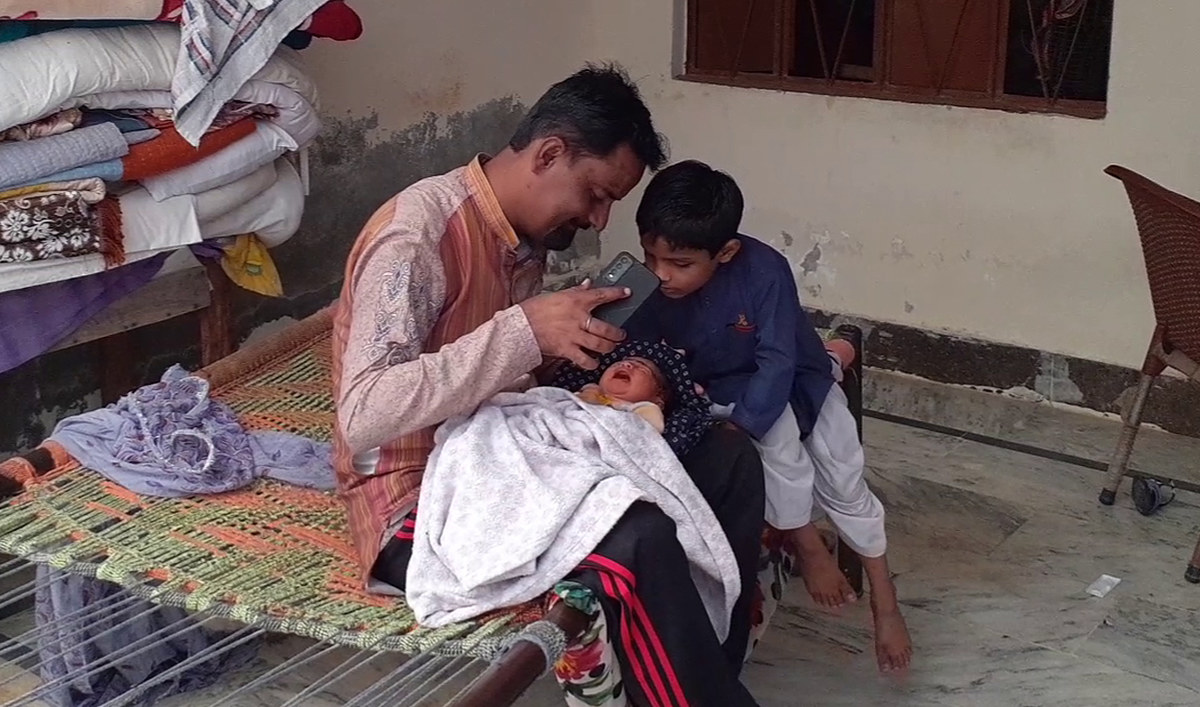
Speaking to Arab News, Faqir Shiva Kachhi, chairman of the minority rights organization, the Pakistan Darawar Itehad (PDI, said the visit of Bhutto Zardari to India was “significant” for Hindus living in Sindh, urging the foreign minister to talk to his Indian counterpart about the restoration of Thar Express.
“For the last two years, we have been demanding the restoration of Thar Express. Even a few weeks earlier, we were protesting and demonstrating outside the provincial assembly of Sindh, and hundreds of Hindus participated,” Kachhi said.
“Thousands of Hindu families have relatives on the other side of the border and they want to meet their loved one and also want to perform religious [pilgrimages],” he added.
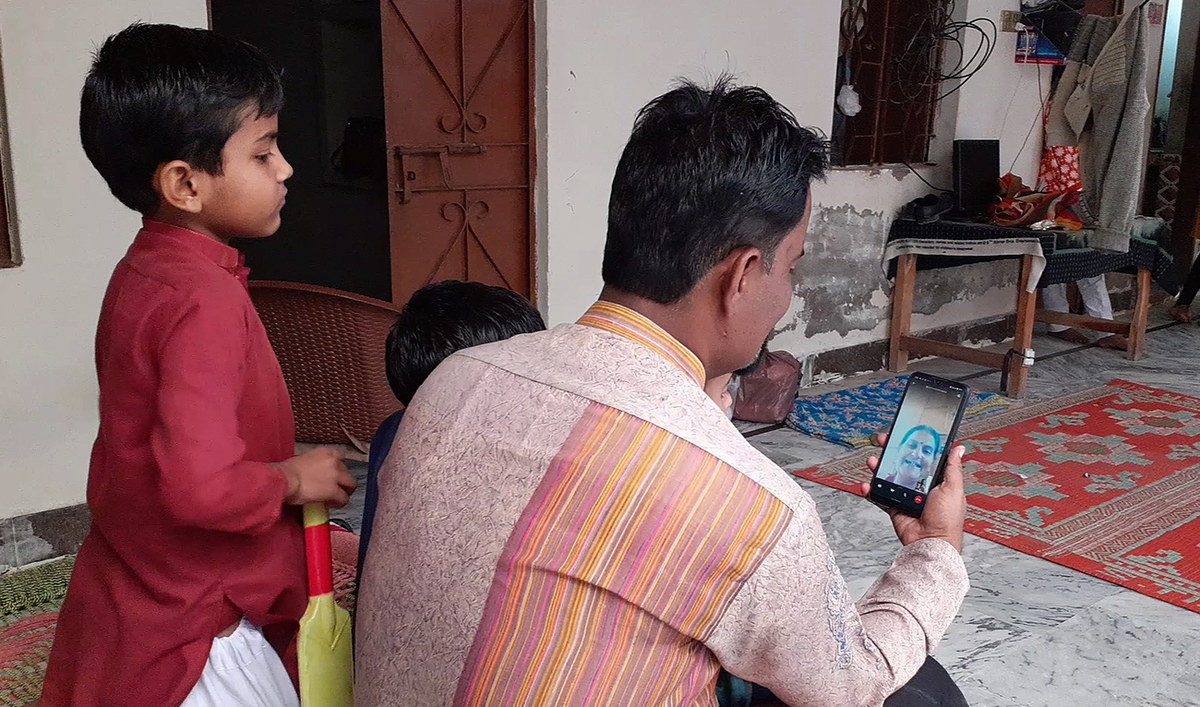
According to the 2017 census, approximately 7 million non-Muslims live in Pakistan, of which 3.6 million are Hindus. A majority of Pakistan’s Hindus live in Sindh, near the Khokhrapar border.
Pakistan Tehreek-e-Insaf (PTI) minority member of the National Assembly from Umerkot, Lal Chand Malhi, said he had raised his voice for the restoration of the Thar Express in the National Assembly, and all MPs from Sindh had supported him.
“When Kartarpur corridor can be opened for Sikh pilgrims from India, then [they should also open] the Thar Express for millions of Hindus living in Sindh,” he said, referring to a visa-free corridor for Indian Sikh pilgrims traveling to Pakistan.
Pakistan is home to several holy places of religious significance for Hindus, including the Hinglaj Mata Temple in the Hingol National Park in Balochistan, the Shiv Mandir in Umerkot district and the Sadh Belo Temple in Sukkur, both located in Sindh.
“Sindh is a land of Sufis, and in Sindh there are thousands of devotees or followers of different dargahs (shrines) in India, such as Hur Jamait, Ghousia Jamait, Sarwari Jamait, Jilani Jamait, and other sects,” Malhi said, “who want to visit the dargah of their murshids (religious teachers), but the train remains suspended.”